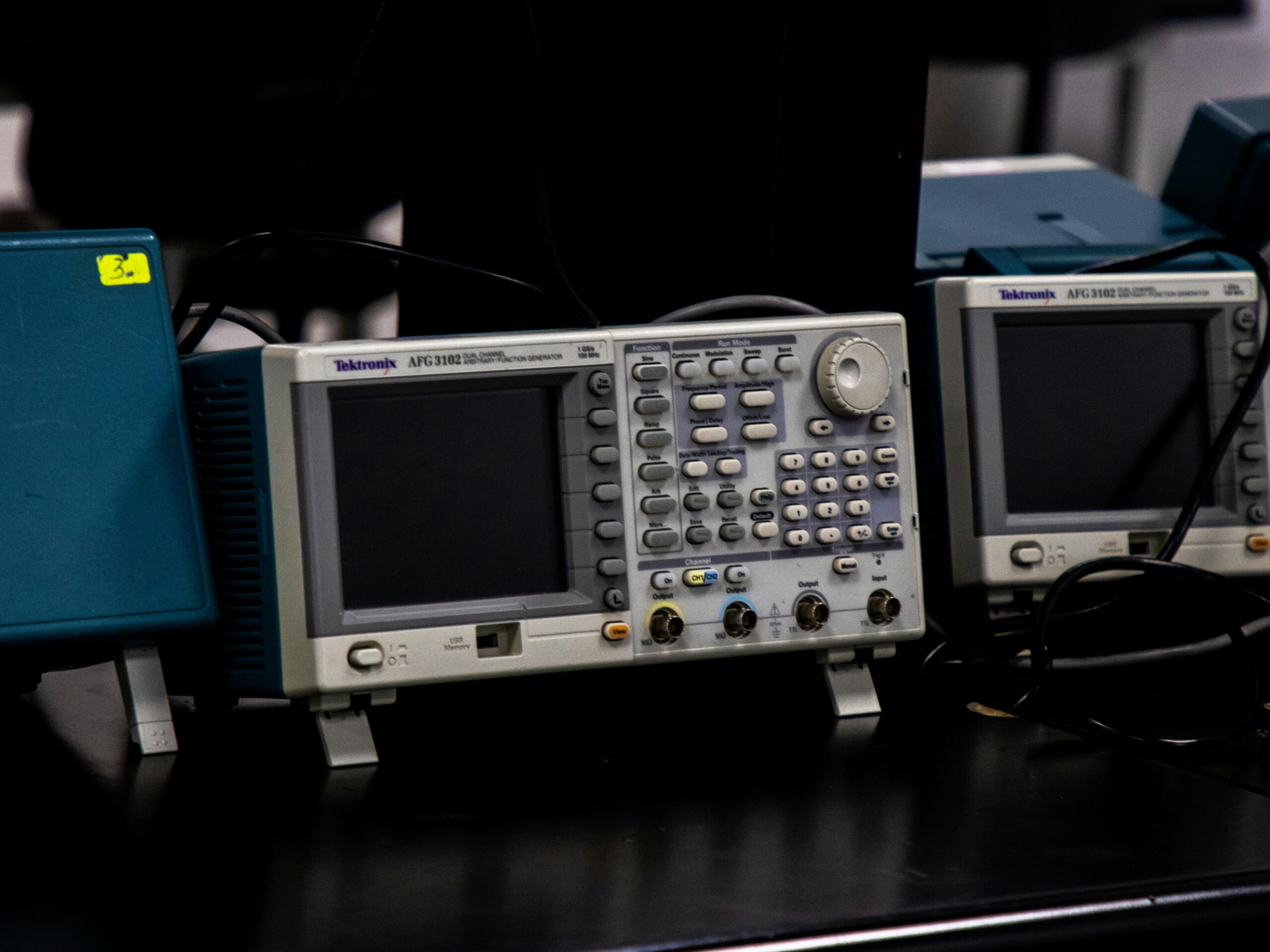
Tool wear is one of the most critical factors influencing manufacturing precision, product quality, and operational efficiency in modern production environments.

In the competitive landscape of manufacturing excellence, the relationship between tool condition and output quality cannot be overstated. Every cutting edge, every surface contact, and every operational cycle contributes to gradual degradation that ultimately affects the final product. Understanding this dynamic relationship is essential for manufacturers striving to maintain competitive advantages while delivering consistent, high-quality results.
The impact of tool wear extends far beyond simple replacement costs. It influences dimensional accuracy, surface finish quality, production cycle times, energy consumption, and ultimately, the bottom line of manufacturing operations. As industries push toward tighter tolerances and higher production volumes, mastering the intricacies of tool wear management has become a cornerstone of manufacturing excellence.
🔍 The Fundamental Nature of Tool Wear in Manufacturing
Tool wear is an inevitable consequence of the manufacturing process, occurring whenever cutting tools interact with workpiece materials. This progressive deterioration happens through multiple mechanisms, each contributing to the gradual loss of tool effectiveness and precision capabilities.
The primary wear mechanisms include abrasive wear, where hard particles in the workpiece material scratch and erode the tool surface; adhesive wear, resulting from molecular bonding between tool and workpiece at high contact pressures; and diffusion wear, occurring at elevated temperatures where atoms migrate between tool and workpiece materials. Additionally, oxidation and thermal cracking contribute to tool degradation under specific operating conditions.
Understanding these mechanisms is crucial because each affects tool performance differently and requires specific mitigation strategies. The rate and pattern of wear depend on numerous factors including cutting speed, feed rate, depth of cut, workpiece material properties, coolant effectiveness, and tool material characteristics.
📊 How Tool Wear Directly Impacts Product Quality
The relationship between tool condition and product quality manifests in several measurable ways that directly affect manufacturing outcomes and customer satisfaction.
Dimensional Accuracy Degradation
As cutting tools wear, their geometric precision deteriorates, leading to dimensional deviations in manufactured parts. A worn tool cannot maintain the same cutting path as a sharp tool, resulting in oversized or undersized features that may fall outside specified tolerances. This dimensional drift often occurs gradually, making it particularly challenging to detect without systematic monitoring.
In precision manufacturing environments where tolerances are measured in microns, even minimal tool wear can render parts non-conforming. The economic impact extends beyond scrapped parts to include increased inspection requirements, rework costs, and potential downstream assembly problems when components don’t fit properly.
Surface Finish Deterioration
Tool wear significantly affects surface finish quality, which is critical for both functional performance and aesthetic requirements. A sharp cutting edge produces clean, smooth surfaces with minimal surface roughness. As the tool wears, the cutting edge becomes rounded or chipped, creating torn or rough surfaces that may require additional finishing operations.
Poor surface finish can compromise part functionality, particularly in applications involving sliding contact, sealing surfaces, or fatigue-sensitive components. The increased surface roughness provides stress concentration points and can accelerate wear in assembled products, reducing their operational lifespan.
Burr Formation and Edge Quality
Worn tools are more prone to creating burrs and edge defects during cutting operations. These unwanted material projections require deburring processes that add manufacturing time and cost. In some industries, particularly aerospace and medical device manufacturing, burr-free edges are non-negotiable quality requirements.
The consistency of edge quality also suffers as tools wear unevenly, creating variable results across production batches and making process control more challenging.
⚙️ Performance Implications of Tool Wear
Beyond quality issues, tool wear substantially impacts manufacturing performance metrics that determine operational efficiency and profitability.
Increased Cutting Forces and Energy Consumption
Worn tools require significantly higher cutting forces to remove material compared to sharp tools. This increased force requirement translates directly into higher energy consumption, placing additional stress on machine tool components and reducing overall equipment effectiveness.
The elevated cutting forces also increase the risk of workpiece deflection, particularly when machining thin-walled or flexible components. This deflection further compounds dimensional accuracy problems and may lead to chatter or vibration issues that degrade both quality and tool life.
Reduced Production Rates
To compensate for worn tools and maintain acceptable quality levels, operators often reduce cutting parameters such as feed rates and cutting speeds. While this approach may temporarily preserve quality, it directly reduces productivity and increases per-part manufacturing costs.
The time lost to tool changes, adjustments, and increased inspection frequency further erodes production capacity. In high-volume manufacturing environments, these cumulative delays can significantly impact delivery schedules and customer satisfaction.
Thermal Management Challenges
Worn tools generate more heat during cutting operations due to increased friction and deformation. This excess heat affects dimensional stability through thermal expansion, degrades surface integrity through metallurgical changes, and can lead to premature tool failure through thermal shock or softening.
Managing this thermal load requires more aggressive coolant application, which increases consumable costs and may create environmental and disposal challenges.
🎯 Strategic Approaches to Tool Wear Management
Achieving manufacturing excellence requires proactive tool wear management strategies that balance quality requirements, productivity goals, and cost constraints.
Predictive Tool Life Monitoring
Modern manufacturing increasingly relies on predictive monitoring systems that track tool condition in real-time. These systems use various sensors to detect force changes, vibration patterns, acoustic emissions, and other indicators of tool wear progression.
By implementing predictive monitoring, manufacturers can optimize tool replacement timing, changing tools before quality degradation occurs but avoiding premature replacement that wastes tool capacity. This data-driven approach maximizes both tool utilization and product quality consistency.
Optimized Cutting Parameters
Selecting appropriate cutting parameters based on tool condition, workpiece material, and quality requirements is fundamental to managing tool wear effectively. Advanced process planning considers the entire tool life cycle, adjusting parameters as wear progresses to maintain quality while maximizing productivity.
This optimization often involves sophisticated modeling that predicts wear rates under different operating conditions, enabling informed decisions about initial parameter selection and adjustment strategies throughout tool life.
Tool Material and Coating Selection
Modern cutting tool materials and coatings offer significantly improved wear resistance compared to conventional options. Carbide grades with tailored properties, ceramic materials for high-speed applications, and advanced coating systems like TiAlN and diamond-like carbon provide extended tool life and improved performance.
Selecting the optimal tool material and coating for specific applications requires understanding the dominant wear mechanisms and operating conditions. The initial investment in premium tooling often delivers substantial returns through extended tool life, improved quality consistency, and enhanced productivity.
💡 Implementing Tool Wear Monitoring Programs
Establishing effective tool wear monitoring programs requires systematic approaches that integrate technology, processes, and personnel expertise.
Baseline Performance Establishment
Successful monitoring begins with establishing baseline performance metrics for new or reconditioned tools. These baselines include dimensional measurements, surface finish readings, cutting force signatures, and other relevant parameters that characterize optimal tool condition.
Documenting these baselines provides reference points for detecting deviation and enables consistent decision-making about tool replacement timing across different operators and shifts.
Regular Inspection Protocols
Systematic inspection schedules ensure consistent monitoring of tool condition throughout production runs. Visual inspection for obvious damage, microscopic examination of cutting edges, and dimensional verification of produced parts all contribute to comprehensive condition assessment.
The inspection frequency should reflect the criticality of the operation, the predictability of wear progression, and the consequences of quality failures. High-risk operations warrant more frequent monitoring to prevent non-conforming production.
Data Analysis and Continuous Improvement
Collecting tool wear data creates opportunities for continuous improvement through pattern analysis and root cause investigation. Understanding why certain tools wear faster, which applications generate premature failures, and how process variations affect tool life enables targeted improvement initiatives.
This analytical approach transforms tool wear management from a reactive cost center into a strategic capability that drives competitive advantage through superior quality and efficiency.
🔧 Advanced Technologies Revolutionizing Tool Wear Management
Emerging technologies are transforming how manufacturers monitor, predict, and respond to tool wear challenges in real-time production environments.
Machine Learning and Artificial Intelligence
AI-powered systems analyze complex patterns in sensor data to predict tool wear progression with unprecedented accuracy. These systems learn from historical data, identifying subtle indicators that precede quality problems or catastrophic tool failure.
Machine learning algorithms can optimize tool replacement strategies across entire production facilities, considering multiple factors simultaneously and adapting to changing conditions automatically.
Digital Twin Technology
Digital twins create virtual replicas of physical manufacturing processes, enabling simulation of tool wear progression under various scenarios. This technology allows manufacturers to test different strategies virtually before implementation, reducing risk and accelerating optimization cycles.
The integration of real-time sensor data with digital twin models enables dynamic process adjustment that maintains quality as tool condition evolves throughout production runs.
Smart Tooling Systems
Cutting tools embedded with sensors and wireless communication capabilities provide direct condition monitoring at the point of cutting. These smart tools transmit data about temperature, vibration, and wear progression directly to control systems, enabling immediate response to changing conditions.
While currently more expensive than conventional tooling, smart tools offer substantial value in critical applications where quality failures carry significant consequences.
📈 Economic Considerations in Tool Wear Management
Effective tool wear management delivers measurable economic benefits that extend throughout manufacturing operations and impact overall business performance.
Total Cost of Ownership Analysis
Evaluating tooling decisions based on total cost of ownership rather than initial purchase price reveals the true economic impact of tool wear management. This analysis considers tool costs, productivity rates, quality losses, machine downtime, and labor requirements across the complete tool life cycle.
Premium tooling with superior wear resistance often delivers lower total costs despite higher initial investment, particularly in high-volume production environments where small performance improvements generate substantial cumulative savings.
Quality Cost Reduction
Effective tool wear management directly reduces quality-related costs including scrap, rework, inspection, and warranty claims. These savings often exceed the costs of implementing monitoring systems and optimized tool management practices.
Perhaps more importantly, consistent quality enabled by proper tool wear management protects brand reputation and customer relationships that represent long-term business value far exceeding immediate cost considerations.
🌟 Building a Culture of Manufacturing Excellence
Mastering tool wear management requires more than technology and procedures—it demands organizational commitment to precision and continuous improvement at all levels.
Operators must understand how their actions affect tool performance and quality outcomes. Providing training on tool wear mechanisms, monitoring techniques, and response protocols empowers frontline personnel to make informed decisions that prevent quality problems.
Management commitment ensures adequate resources for monitoring equipment, premium tooling when justified, and time for proper process optimization. This commitment signals that quality and precision are organizational priorities worth investing in.
Engineering teams contribute by designing processes that minimize tool wear, selecting appropriate tooling for specific applications, and continuously improving based on production data analysis. Cross-functional collaboration ensures that tool wear considerations inform decisions from product design through production planning.
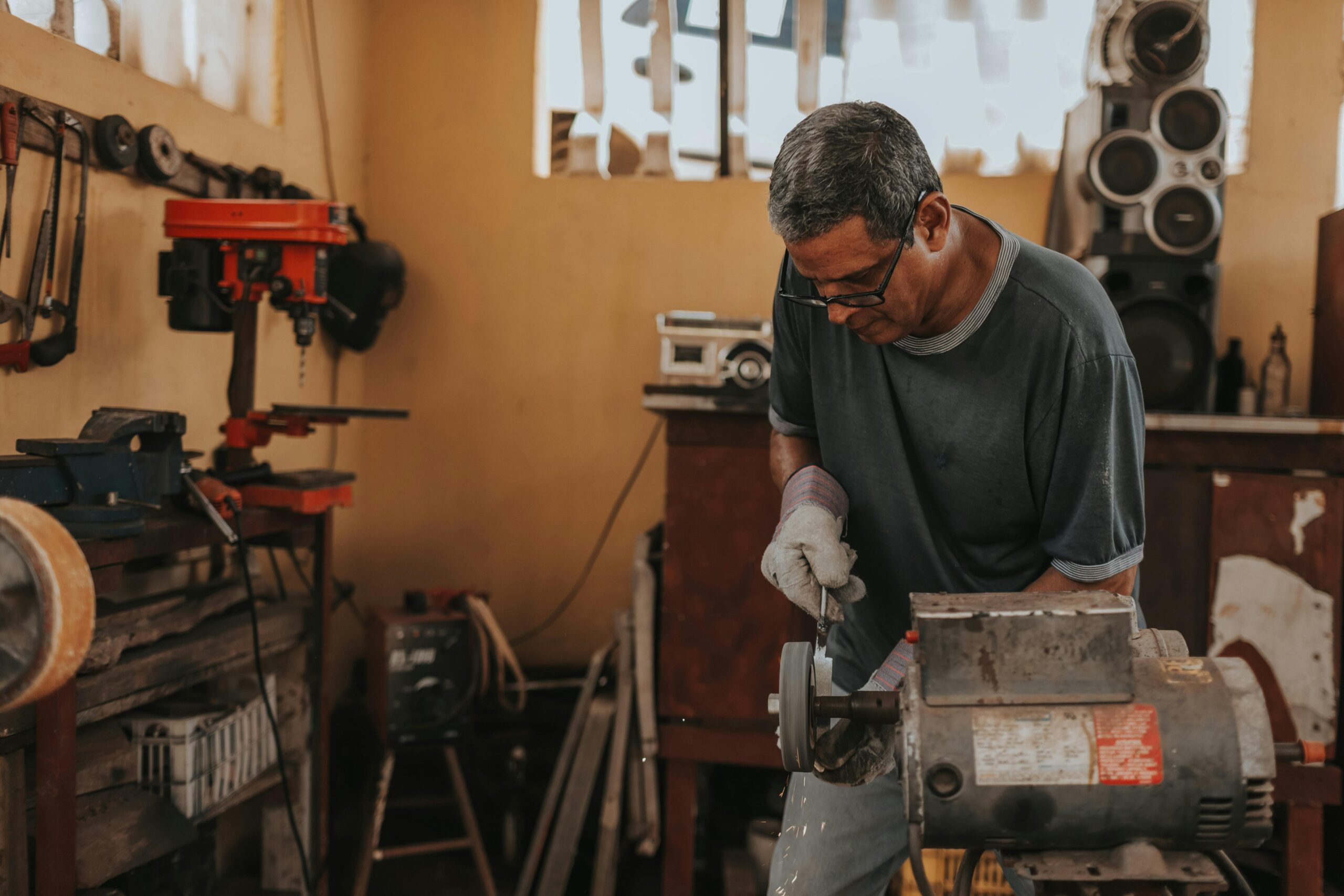
🚀 Future Directions in Precision Manufacturing
The evolution of manufacturing technology continues to create new opportunities for managing tool wear and achieving unprecedented levels of quality and efficiency.
Additive manufacturing of customized cutting tools with optimized geometries and integrated cooling channels promises enhanced wear resistance and performance. Advanced coating technologies continue improving tool life and expanding the operating envelope for challenging materials and extreme conditions.
The integration of manufacturing systems through Industrial Internet of Things platforms enables holistic optimization that considers tool wear within broader production contexts, automatically adjusting schedules, parameters, and resource allocation to maintain quality while maximizing efficiency.
As manufacturing becomes increasingly automated and interconnected, tool wear management systems will evolve from monitoring and reporting functions to autonomous decision-making entities that maintain precision without human intervention, representing the next frontier in manufacturing excellence.
The journey toward mastering precision through effective tool wear management is continuous, requiring sustained commitment, investment, and innovation. Organizations that embrace this challenge position themselves for sustained competitive advantage in industries where quality, efficiency, and reliability determine market success. The tools may wear, but the commitment to excellence must remain sharp and unwavering. ✨