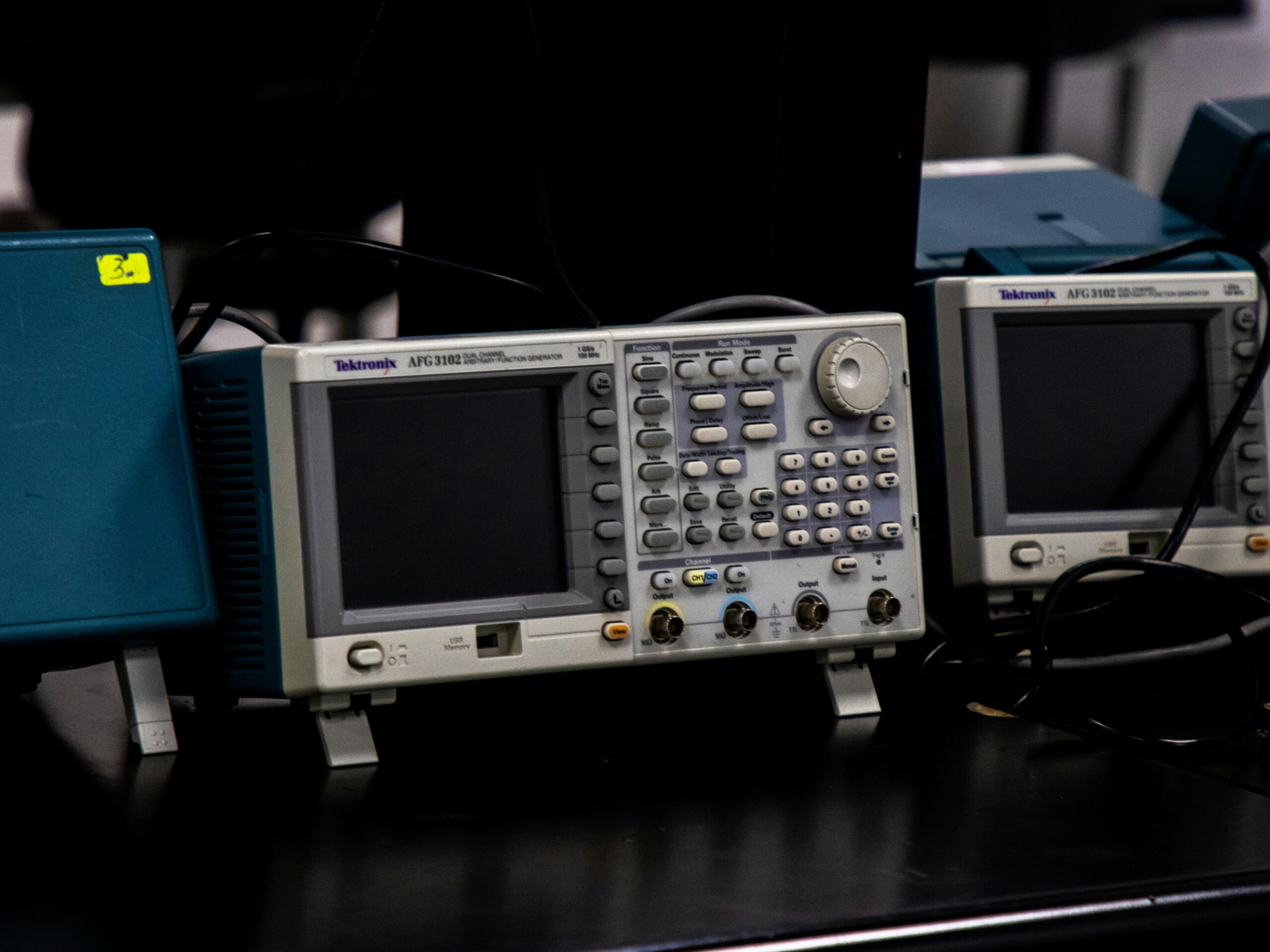
Precision grinding stands as the cornerstone of modern manufacturing, where even the smallest deviation can mean the difference between excellence and failure in critical applications.

🎯 Why Precision Grinding Tolerances Define Manufacturing Excellence
In today’s competitive manufacturing landscape, achieving unmatched precision grinding tolerances isn’t just a technical requirement—it’s a business imperative. Industries ranging from aerospace to medical devices demand components that meet increasingly stringent specifications, where tolerances measured in microns determine product viability and market success.
Precision grinding represents the pinnacle of subtractive manufacturing processes, capable of achieving surface finishes and dimensional accuracies that other machining methods simply cannot match. When we discuss grinding tolerances, we’re exploring the realm where manufacturing transforms from art to science, where skilled operators combine with advanced technology to produce components that push the boundaries of what’s physically possible.
The economic implications of mastering precision grinding are substantial. Manufacturers who consistently achieve tight tolerances reduce scrap rates, minimize rework, enhance product reliability, and ultimately strengthen their competitive position. In sectors like automotive racing, semiconductor manufacturing, and precision instrumentation, the ability to hold tolerances within ±0.0001 inches or tighter can create insurmountable competitive advantages.
Understanding the Fundamentals of Grinding Tolerance Control
Before diving into advanced techniques, it’s essential to understand what tolerance control in grinding actually means. Grinding tolerances refer to the acceptable variation in dimensions, geometry, and surface finish that a ground component may exhibit while still meeting functional requirements.
These tolerances typically encompass several critical parameters: dimensional accuracy (the actual size versus specified size), geometric accuracy (straightness, roundness, parallelism, perpendicularity), and surface finish (roughness measured in microinches or micrometers). Each parameter interacts with others, creating a complex matrix of requirements that must be simultaneously satisfied.
The Physics Behind Precision Grinding
Precision grinding achieves its remarkable accuracy through controlled material removal at the microscopic level. Unlike conventional machining that removes material through plastic deformation and shearing, grinding removes material through thousands of tiny cutting edges on abrasive grains, each removing chips measured in microns or smaller.
This process generates significant heat, which remains one of the primary challenges in maintaining tight tolerances. Thermal expansion of both the workpiece and machine tool can easily exceed the tolerances you’re trying to achieve. A temperature rise of just 1°C can cause steel to expand approximately 11.5 microns per meter—more than enough to ruin precision work.
🔧 Critical Factors Influencing Grinding Precision
Achieving superior grinding tolerances requires mastery of multiple interrelated factors. Success comes from understanding how each element contributes to the final result and optimizing the entire system rather than focusing on isolated variables.
Machine Tool Rigidity and Thermal Stability
The grinding machine itself forms the foundation of precision work. Modern precision grinders feature granite bases, thermally stable structures, and sophisticated vibration damping systems. These machines are designed to maintain geometric accuracy under varying thermal loads and cutting forces.
Investment in quality machine tools pays dividends in capability. Machines with hydrostatic or ceramic bearings, precision linear guides, and advanced CNC controls enable consistently tighter tolerances than conventional equipment. The best precision grinders maintain positioning accuracy within 0.1 microns and repeatability better than 0.05 microns.
Grinding Wheel Selection and Dressing
The grinding wheel represents the cutting tool in this process, and its selection profoundly impacts achievable tolerances. Abrasive type, grain size, grade (hardness), structure (spacing), and bond type must all align with the material being ground and the tolerance requirements.
For precision work, superabrasives—cubic boron nitride (CBN) and diamond—offer significant advantages over conventional aluminum oxide or silicon carbide wheels. These materials maintain sharp cutting edges longer, generate less heat, and enable finer surface finishes. However, they require appropriate wheel dressing procedures to maintain form accuracy.
Wheel dressing is often the most critical yet underappreciated aspect of precision grinding. Proper dressing restores wheel sharpness, maintains accurate geometry, and ensures consistent grinding performance. Single-point diamond dressers, rotary dressers, and crush dressing each have appropriate applications depending on wheel type and tolerance requirements.
Workholding and Fixturing Strategies
Even the most precise grinding machine cannot produce accurate parts if the workpiece isn’t properly secured. Workholding must provide adequate clamping force without distorting the component, maintain thermal stability, and ensure repeatable location.
Magnetic chucks, vacuum chucks, and specialized fixtures each offer advantages for different applications. For cylindrical grinding, centers, chucks, and steady rests must be selected based on workpiece geometry and tolerance requirements. Any runout or eccentricity in workholding transfers directly to the finished component.
Advanced Techniques for Exceptional Tolerance Achievement
Moving beyond fundamental best practices, achieving truly exceptional grinding tolerances requires implementing advanced techniques that address the most subtle sources of variation.
Thermal Management Strategies ⚡
Controlling temperature remains paramount for precision grinding. Comprehensive thermal management encompasses several strategies working in concert. High-volume coolant delivery removes heat from the grinding zone, while machine tool temperature control systems maintain stable thermal conditions.
Through-the-wheel coolant delivery systems dramatically improve cooling effectiveness by applying coolant directly to the grinding zone rather than flooding from external nozzles. This approach can reduce grinding temperatures by 50% or more, significantly improving tolerance-holding capability.
Many precision shops maintain strict temperature control in their grinding areas, typically holding ambient temperature within ±1°C. Some facilities even use thermal chambers where machines and workpieces thermally stabilize before grinding operations begin.
In-Process Measurement and Adaptive Control
Traditional grinding relies on periodic measurement and manual adjustment—an approach inadequate for the tightest tolerances. In-process gauging systems measure dimensions during grinding, enabling real-time adjustments that compensate for wheel wear, thermal drift, and other variables.
Modern grinding systems integrate acoustic emission sensors, power monitoring, and dimensional gauging to create closed-loop control systems. These systems automatically adjust grinding parameters to maintain target dimensions throughout production runs, dramatically improving process capability.
Advanced Grinding Cycles and Strategies
The grinding cycle itself—the sequence and parameters of grinding operations—significantly impacts achievable tolerances. Multi-step cycles that separate roughing, semi-finishing, and finishing operations with spark-out periods optimize both productivity and precision.
Spark-out, where the wheel continues rotating against the workpiece without infeed, allows the system to relax and stabilize. This simple technique can improve roundness and dimensional accuracy by an order of magnitude compared to grinding without adequate spark-out time.
Creep feed grinding, where slow workpiece feed rates combine with heavy depths of cut, offers advantages for certain applications. Conversely, high-speed grinding with lighter cuts may prove superior for others. Matching the grinding strategy to the specific application requirements separates competent shops from exceptional ones.
📊 Measuring and Verifying Precision Grinding Results
Achieving tight tolerances means nothing without the ability to accurately measure and verify results. The metrology equipment and techniques must have resolution and accuracy significantly better than the tolerances being measured—typically at least 10 times better.
Essential Metrology Equipment
Precision grinding operations require appropriate measurement tools. Micrometers and indicators suffice for tolerances in the tens of microns, but tighter work demands more sophisticated equipment. Air gauging systems, laser micrometers, coordinate measuring machines (CMMs), and optical comparators each serve specific measurement needs.
For cylindrical components, roundness testers reveal geometric errors that other instruments miss. These specialized devices measure radius variations with nanometer resolution, identifying lobing, ovality, and other form errors that compromise function despite meeting nominal dimensional specifications.
Surface finish measurement deserves equal attention. Profilometers quantify surface roughness with parameters like Ra, Rz, and Rmax, ensuring ground surfaces meet functional requirements for wear resistance, sealing, or optical properties.
Statistical Process Control for Grinding
Individual measurements provide snapshots, but statistical process control (SPC) reveals process behavior over time. Control charts tracking key dimensions identify trends before they produce out-of-tolerance parts, enabling proactive adjustments rather than reactive corrections.
Process capability studies (Cp, Cpk) quantify how well your grinding process meets specified tolerances. A Cpk of 1.33 or higher indicates robust process capability, while values below 1.0 signal that your process cannot consistently hold the required tolerance.
🏭 Industry-Specific Precision Grinding Applications
Different industries present unique challenges and requirements for precision grinding. Understanding these applications provides context for tolerance requirements and appropriate techniques.
Aerospace Component Manufacturing
Aerospace components demand exceptional precision due to safety criticality and extreme operating conditions. Turbine blades, bearing races, and hydraulic components often require tolerances measured in microns with surface finishes better than 0.1 micrometers Ra.
These applications frequently involve difficult-to-grind materials like titanium alloys, nickel-based superalloys, and hardened steels. Grinding parameters must balance aggressive material removal with thermal damage prevention, as metallurgical changes from excessive heat can compromise component integrity.
Medical Device Precision Requirements
Medical devices, particularly orthopedic implants and surgical instruments, require biocompatible surfaces with precise dimensions and exceptional surface quality. Hip and knee implants feature bearing surfaces ground to tolerances within a few microns and surface finishes below 0.05 micrometers Ra.
These applications prioritize surface integrity over mere dimensional accuracy. Grinding-induced residual stresses and surface layer modifications affect wear resistance, corrosion resistance, and biocompatibility. Gentle grinding with carefully selected parameters prevents surface damage while achieving required precision.
Precision Bearing Manufacturing
Rolling element bearings represent perhaps the most demanding application for precision grinding. Bearing rings require exceptional roundness, surface finish, and dimensional control to achieve specified life and performance.
High-precision bearings for machine tool spindles or aerospace applications feature raceway roundness errors below 0.5 microns and surface finishes approaching 0.02 micrometers Ra. Achieving these specifications requires dedicated bearing grinding machines, superabrasive wheels, and meticulous process control.
Overcoming Common Precision Grinding Challenges 💡
Even experienced grinding operations encounter challenges that compromise tolerance achievement. Recognizing these issues and implementing effective solutions distinguishes superior operations from mediocre ones.
Chatter and Vibration Control
Chatter—self-excited vibration between wheel and workpiece—produces characteristic wave patterns on ground surfaces and prevents tight tolerance achievement. Sources include insufficient machine rigidity, worn bearings, unbalanced wheels, or improper grinding parameters.
Eliminating chatter requires systematic diagnosis. Balance grinding wheels carefully, ensure all machine components function properly, optimize wheel speed and workpiece speed combinations, and modify grinding parameters to avoid resonant frequencies.
Wheel Loading and Glazing
Wheel loading occurs when ground material clogs spaces between abrasive grains, while glazing happens when grains dull without fracturing. Both conditions reduce grinding effectiveness, generate excessive heat, and compromise tolerances.
Prevention strategies include proper wheel selection (softer grades for harder materials), adequate coolant delivery, appropriate wheel speeds, and regular dressing. Coolant filtration prevents swarf from contaminating the grinding zone and contributing to wheel loading.
Thermal Distortion Management
Heat generated during grinding causes workpiece expansion, machine structure expansion, and dimensional errors. Long, slender parts are particularly susceptible to thermal distortion that creates taper, bow, or dimensional variation.
Mitigation approaches include optimized coolant application, reduced grinding forces through sharper wheels and proper parameters, thermal stabilization periods, and compensation strategies where CNC controls adjust for predictable thermal effects.
Future Trends in Precision Grinding Technology 🚀
Precision grinding continues evolving with technological advances that push tolerance capabilities ever tighter. Understanding emerging trends helps forward-thinking manufacturers prepare for future requirements.
Artificial Intelligence and Machine Learning
AI-enabled grinding systems learn optimal parameters from production data, automatically adjusting processes for different materials, geometries, and tolerance requirements. Machine learning algorithms identify subtle patterns that human operators miss, predicting maintenance needs before failures occur.
These intelligent systems promise significant improvements in process consistency and capability, particularly for complex components with multiple tolerance specifications. Early implementations demonstrate Cpk improvements of 20-30% compared to conventional control approaches.
Advanced Abrasive Materials
Continuous development of superabrasive materials extends grinding capabilities. Engineered abrasives with controlled grain shapes, sizes, and coatings optimize performance for specific applications. Hybrid bonding systems combine ceramic and resin properties, delivering superior form holding with excellent surface finish.
Nanotechnology-enhanced grinding wheels featuring precisely engineered porosity and grain distribution promise improved coolant delivery and more consistent cutting action, enabling tighter tolerances with enhanced productivity.
Ultra-Precision Grinding Systems
Specialized grinding machines achieving nanometer-level tolerances serve emerging applications in optics, electronics, and advanced materials. These systems feature environmental isolation, ultra-stable structures, and atomic-level positioning accuracy.
While currently limited to specialized applications, techniques developed for ultra-precision grinding gradually filter into mainstream precision manufacturing, raising capability across the industry.
Building a Culture of Precision Excellence
Technical capabilities alone don’t guarantee consistent precision grinding success. Organizational culture, operator training, and continuous improvement mentality prove equally important.
Successful precision grinding operations invest heavily in operator training, recognizing that skilled machinists make critical differences in outcome quality. These operators understand not just “how” to run machines but “why” certain practices matter, enabling intelligent problem-solving when challenges arise.
Documentation and standardization ensure consistent results across shifts and operators. Detailed process sheets specify every parameter: wheel specifications, dressing procedures, grinding cycles, measurement frequencies, and quality criteria. This documentation captures institutional knowledge and protects against capability loss from personnel changes.
Continuous improvement processes systematically identify and eliminate sources of variation. Regular process capability studies, failure mode analysis, and structured problem-solving methodologies drive incremental improvements that compound over time into substantial competitive advantages.
Maximizing Return on Precision Grinding Investment 💰
Precision grinding equipment and expertise require significant investment. Maximizing return demands strategic thinking beyond mere tolerance achievement.
Successful operations carefully select which components and features require true precision grinding versus those adequately served by less expensive processes. Not every surface needs micron-level tolerances—applying precision grinding only where functionally necessary optimizes overall manufacturing economics.
Partnerships with customers during design phases often reveal opportunities to relax tolerances on certain features while tightening others, resulting in components that function better at lower cost. This collaborative approach strengthens customer relationships while improving profitability.
Regular equipment maintenance prevents degradation that slowly erodes capability. Systematic programs including spindle monitoring, machine calibration verification, and predictive maintenance keep precision grinding systems performing at specification throughout their service lives.
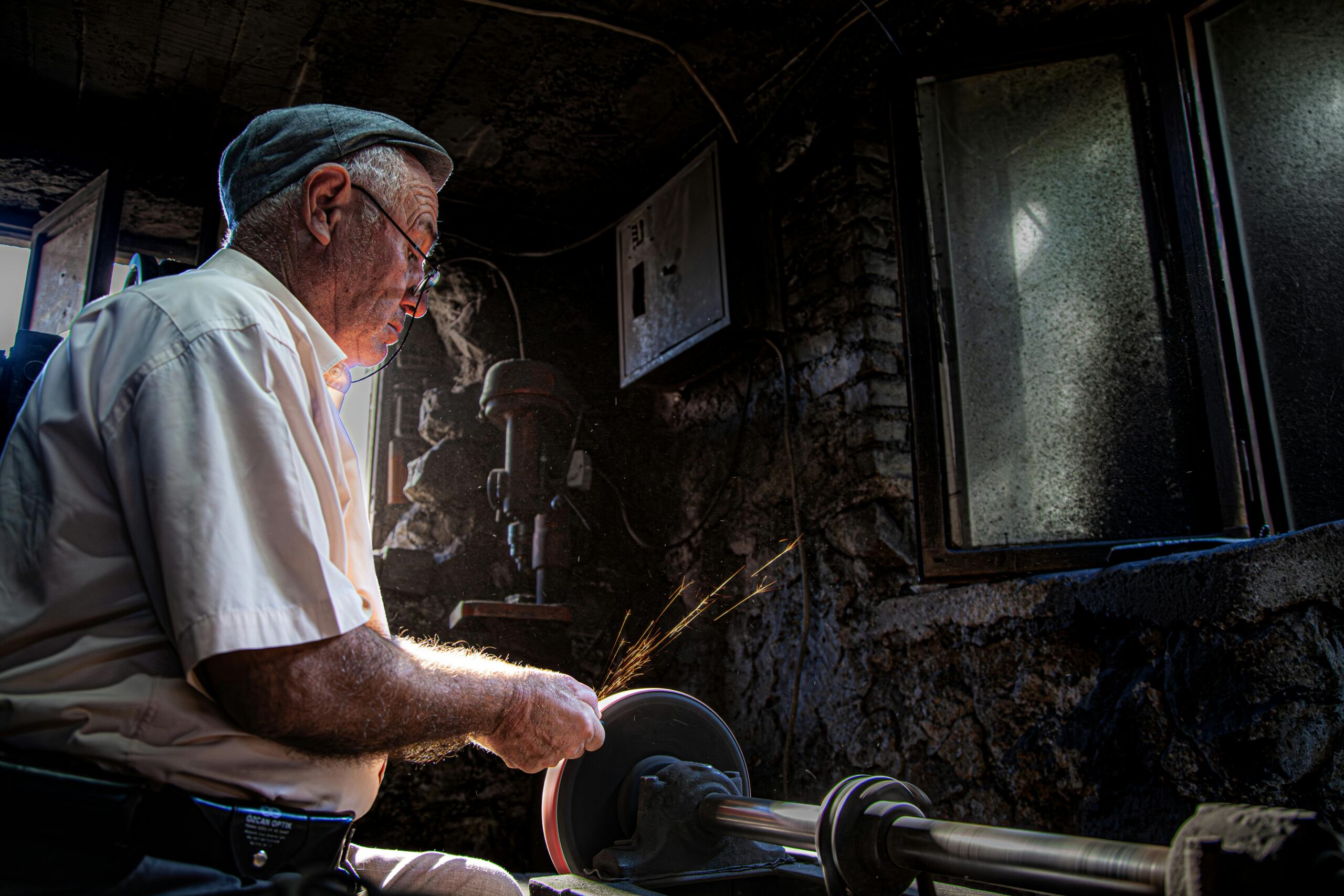
Your Pathway to Precision Grinding Mastery
Achieving unmatched precision grinding tolerances requires integration of appropriate equipment, refined techniques, comprehensive measurement, skilled operators, and organizational commitment to excellence. No single element suffices—success demands attention to every detail in a complex system where numerous factors interact.
Start by honestly assessing current capabilities through process capability studies and gap analysis. Identify specific tolerance requirements driving business opportunities, then systematically address limiting factors preventing their achievement. This might mean equipment upgrades, enhanced metrology, operator training, or improved process control.
Build knowledge gradually through experimentation, measurement, and learning from both successes and failures. Document what works, standardize best practices, and create systems that sustain capabilities independent of individual operators. Engage with industry resources including professional societies, equipment vendors, and training programs that accelerate capability development.
Remember that precision grinding mastery represents a journey rather than a destination. As your capabilities improve, new opportunities emerge requiring even tighter tolerances or more challenging materials. Embrace continuous improvement as a fundamental operating principle, and your precision grinding operations will consistently deliver superior quality and performance that distinguish your products in competitive markets.
The manufacturers who master precision grinding tolerances don’t just meet specifications—they define what’s possible, enabling innovations that advance entire industries. By committing to excellence in every aspect of the grinding process, you position your organization at the forefront of manufacturing capability, ready to tackle the most demanding applications and seize opportunities others cannot address.