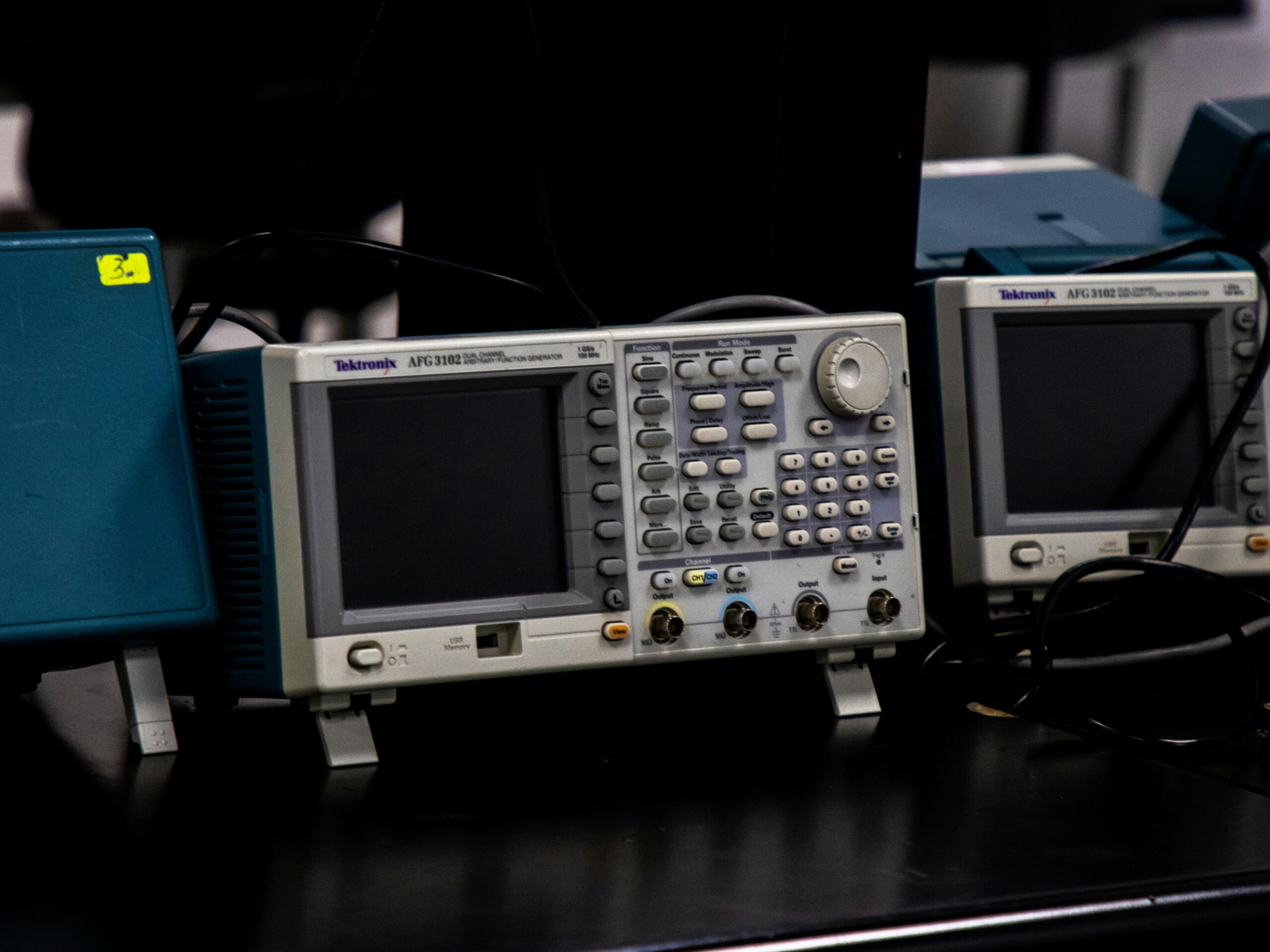
Material purity has become the cornerstone of modern innovation, driving breakthroughs across industries from semiconductors to pharmaceuticals, where precision defines success.

🔬 The Evolution of Purity Standards in Modern Manufacturing
The journey toward achieving exceptional material purity represents one of humanity’s most significant technological achievements. Throughout industrial history, the ability to refine and purify materials has directly correlated with our capacity to innovate and push boundaries. What once seemed impossible—achieving 99.9999% purity levels—has now become the baseline standard in critical industries.
Contemporary manufacturing demands have transformed purity from a desirable quality into an absolute necessity. The microelectronics industry, for instance, requires silicon wafers with impurity levels measured in parts per billion. A single contaminant atom can compromise an entire semiconductor chip, translating into millions of dollars in lost revenue and damaged reputation.
Advanced purity standards have evolved through rigorous scientific research and practical application. Organizations like the International Organization for Standardization (ISO) and the American Society for Testing and Materials (ASTM) have developed comprehensive frameworks that define, measure, and verify material purity across diverse applications.
Understanding the Science Behind Material Purity
Material purity refers to the absence of unwanted substances within a particular material or compound. This concept extends beyond simple cleanliness—it encompasses molecular-level precision where even trace elements can significantly impact performance characteristics.
The measurement of purity involves sophisticated analytical techniques that detect contaminants at incredibly small concentrations. Spectroscopy, chromatography, and mass spectrometry have become indispensable tools in the purity assessment arsenal. These technologies enable scientists and engineers to identify impurities down to parts per trillion in some cases.
Key Factors Influencing Material Purity
Several critical factors determine the achievable purity levels in any given material:
- Source material quality and origin
- Refining and processing methodologies
- Environmental controls during production
- Storage and handling procedures
- Transportation and packaging integrity
- Quality control protocols and verification systems
Each factor presents unique challenges that require systematic approaches to overcome. The pharmaceutical industry, for example, must contend with biological contaminants, chemical residues, and cross-contamination risks throughout the entire production cycle.
💡 Industry Applications Driving Purity Innovation
The demand for ultra-pure materials spans numerous sectors, each with specific requirements and challenges. Understanding these applications reveals why purity standards continue to advance at an accelerating pace.
Semiconductor Manufacturing and Electronics
The semiconductor industry represents perhaps the most demanding application of material purity standards. Modern processors contain billions of transistors fabricated on silicon wafers where a single impurity can create defects that render entire chips unusable. The industry uses materials with purity levels exceeding 99.999999999% (often referred to as “eleven nines”).
Electronic-grade chemicals, gases, and water must meet extraordinary purity specifications. Ultra-pure water, for instance, contains virtually no dissolved minerals, organic compounds, or particles. This level of purity requires multi-stage purification systems employing reverse osmosis, deionization, and ultraviolet treatment.
Pharmaceutical and Biotechnology Sectors
Patient safety in pharmaceutical applications depends fundamentally on material purity. Active pharmaceutical ingredients (APIs) must be free from harmful impurities, including heavy metals, residual solvents, and degradation products. Regulatory agencies like the FDA and EMA enforce strict purity standards through comprehensive testing requirements.
Biopharmaceuticals present additional complexity as biological molecules are sensitive to minute contaminants. Monoclonal antibodies and gene therapies require production environments with exceptional cleanliness and materials of pharmaceutical-grade purity. Even trace endotoxins measured in nanograms can trigger adverse reactions in patients.
Advanced Materials and Nanotechnology
Emerging technologies in nanotechnology and advanced materials depend on precise control over material composition. Graphene production, quantum dot synthesis, and metamaterial fabrication all require starting materials with certified purity levels. Impurities at the nanoscale can fundamentally alter material properties, making purity control essential for reproducible results.
📊 Measuring and Certifying Material Purity
Establishing reliable purity standards requires robust measurement methodologies and certification processes. The analytical techniques employed vary depending on the material type, industry requirements, and regulatory framework.
| Analytical Method | Detection Limit | Primary Application |
|---|---|---|
| ICP-MS (Inductively Coupled Plasma Mass Spectrometry) | Parts per trillion | Trace metal analysis |
| GC-MS (Gas Chromatography-Mass Spectrometry) | Parts per billion | Organic impurity detection |
| HPLC (High-Performance Liquid Chromatography) | Parts per million | Pharmaceutical purity testing |
| XRF (X-Ray Fluorescence) | Parts per million | Elemental composition analysis |
These sophisticated instruments require skilled operators and carefully controlled conditions to produce reliable results. Laboratories pursuing purity certification must maintain rigorous quality management systems, often achieving ISO/IEC 17025 accreditation to demonstrate technical competence.
Certification Standards and Compliance Frameworks
Various international standards govern material purity across different industries. ISO 9001 provides a general quality management framework, while specific standards like ISO 10993 for medical devices or ISO 14644 for cleanrooms establish detailed requirements for particular applications.
Compliance with these standards involves comprehensive documentation, regular testing, and continuous improvement processes. Third-party certification bodies conduct audits to verify adherence to specified requirements, providing customers with confidence in material quality.
🚀 Technological Advances Enabling Higher Purity Levels
Achieving extreme purity requires sophisticated purification technologies that continue to evolve. Modern purification processes combine multiple techniques in sequence to progressively eliminate different contaminant categories.
Physical Purification Methods
Physical separation techniques exploit differences in material properties to isolate pure substances. Distillation, crystallization, and filtration represent classical approaches that remain relevant today, albeit with substantial technological refinements.
Zone refining, used extensively in semiconductor silicon production, involves passing a molten zone through a crystal to concentrate impurities at one end. This technique can achieve extraordinary purity levels through multiple passes. Similarly, membrane filtration technologies using nanoporous materials can remove particles and molecules based on size exclusion with remarkable precision.
Chemical Purification Approaches
Chemical methods leverage selective reactions to remove or neutralize impurities. Ion exchange resins, chemical precipitation, and selective absorption represent powerful tools in the purification toolkit. These approaches often complement physical methods in multi-stage purification systems.
Advanced oxidation processes can destroy organic contaminants that resist conventional treatment. Supercritical fluid extraction using carbon dioxide offers environmentally friendly alternatives to traditional solvent-based purification while achieving exceptional purity levels.
🌍 Economic and Environmental Implications
The pursuit of material purity carries significant economic considerations. Ultra-pure materials command premium prices reflecting the sophisticated processing required. However, these costs must be balanced against the value delivered through enhanced performance, reduced defects, and improved product reliability.
Environmental sustainability has become increasingly important in purification processes. Traditional methods often generate substantial waste streams and consume considerable energy. Modern approaches emphasize green chemistry principles, seeking to minimize environmental impact while maintaining purity standards.
Circular Economy and Material Recovery
Recovering and recycling high-purity materials represents both an economic opportunity and environmental imperative. Electronic waste contains valuable materials that, when properly processed, can be recovered at purity levels suitable for reuse. Advanced separation technologies make economical recovery increasingly feasible.
The pharmaceutical industry faces unique challenges in material recovery due to stringent regulatory requirements. However, solvent recovery systems and API recycling processes demonstrate that sustainability and purity standards can coexist when properly implemented.
⚡ Overcoming Challenges in Purity Achievement
Despite technological advances, achieving and maintaining extreme purity levels presents ongoing challenges. Contamination can occur at any stage from raw material sourcing through final packaging and delivery.
Cleanroom Technology and Environmental Control
Manufacturing ultra-pure materials requires controlled environments that minimize airborne particles and chemical vapors. Modern cleanrooms achieve particle counts measured in particles per cubic meter, creating environments exponentially cleaner than ordinary rooms.
Temperature, humidity, and pressure controls prevent condensation and unwanted reactions. Personnel entering cleanrooms follow strict gowning procedures to avoid introducing contaminants from clothing, skin, or hair. These protocols, while demanding, prove essential for consistent purity achievement.
Quality Management and Process Control
Systematic quality management approaches ensure purity standards are met consistently. Statistical process control monitors critical parameters in real-time, enabling rapid intervention when deviations occur. Design of experiments methodologies optimizes purification processes while building understanding of variables affecting purity.
Traceability systems document material history from source through delivery, creating accountability and enabling root cause analysis when purity issues arise. Blockchain technology increasingly supports traceability requirements, providing immutable records of material provenance and processing history.
🎯 Future Directions in Purity Standards
Material purity standards continue advancing as new technologies emerge and existing industries demand ever-greater precision. Several trends are shaping the future landscape of purity science and practice.
Artificial Intelligence and Predictive Analytics
Machine learning algorithms analyze vast datasets from purification processes, identifying subtle patterns that human operators might miss. Predictive models forecast contamination risks based on operating parameters, enabling proactive intervention before purity compromises occur.
AI-driven optimization continuously refines purification processes, balancing purity achievement against cost and environmental impact. These intelligent systems learn from historical data, progressively improving performance over time.
Advanced Characterization Techniques
Next-generation analytical instruments push detection limits ever lower while providing richer information about impurity identity and location. Techniques like atom probe tomography visualize individual atoms within materials, offering unprecedented insight into impurity distribution.
Real-time monitoring systems provide continuous purity assessment rather than periodic sampling. Inline sensors detect contaminants as materials move through production processes, enabling immediate correction when deviations occur.
Building Competitive Advantage Through Purity Excellence
Organizations that master material purity create substantial competitive advantages. Superior purity translates into enhanced product performance, greater reliability, and premium market positioning. Companies known for purity excellence attract customers willing to pay for guaranteed quality.
Investment in purity capabilities demonstrates commitment to quality and innovation. Research and development efforts focused on purification technologies generate intellectual property that provides lasting differentiation. Partnership with academic institutions and research organizations accelerates capability development while sharing costs and risks.
Workforce Development and Expertise
Human expertise remains irreplaceable despite technological advances. Building teams with deep understanding of purity science and practical purification experience creates organizational capability that competitors cannot easily replicate. Training programs, mentorship, and continuous learning opportunities develop and retain critical talent.
Cross-functional collaboration between chemists, engineers, quality professionals, and production personnel fosters innovation and problem-solving. Diverse perspectives identify solutions that specialized teams might overlook, driving continuous improvement in purity achievement.

🌟 Transforming Industries Through Purity Mastery
Mastering material purity represents more than technical achievement—it unlocks transformative possibilities across industries. The ability to produce materials with precisely controlled composition enables innovations previously confined to imagination.
Quantum computing, advanced therapeutics, sustainable energy systems, and breakthrough materials all depend fundamentally on material purity. As purity standards advance, they expand the boundaries of what technology can achieve, creating opportunities for entrepreneurs, researchers, and established companies alike.
The journey toward perfect purity continues, driven by human ingenuity and relentless pursuit of excellence. Each advance in purification technology, analytical capability, or process control creates ripples across multiple industries, demonstrating the profound impact of this often-invisible aspect of modern manufacturing.
Organizations embracing purity excellence position themselves at the forefront of innovation, ready to capitalize on emerging opportunities while delivering exceptional value to customers. The future belongs to those who recognize that in an increasingly sophisticated world, purity is not merely a specification—it is the foundation upon which breakthrough innovations are built.