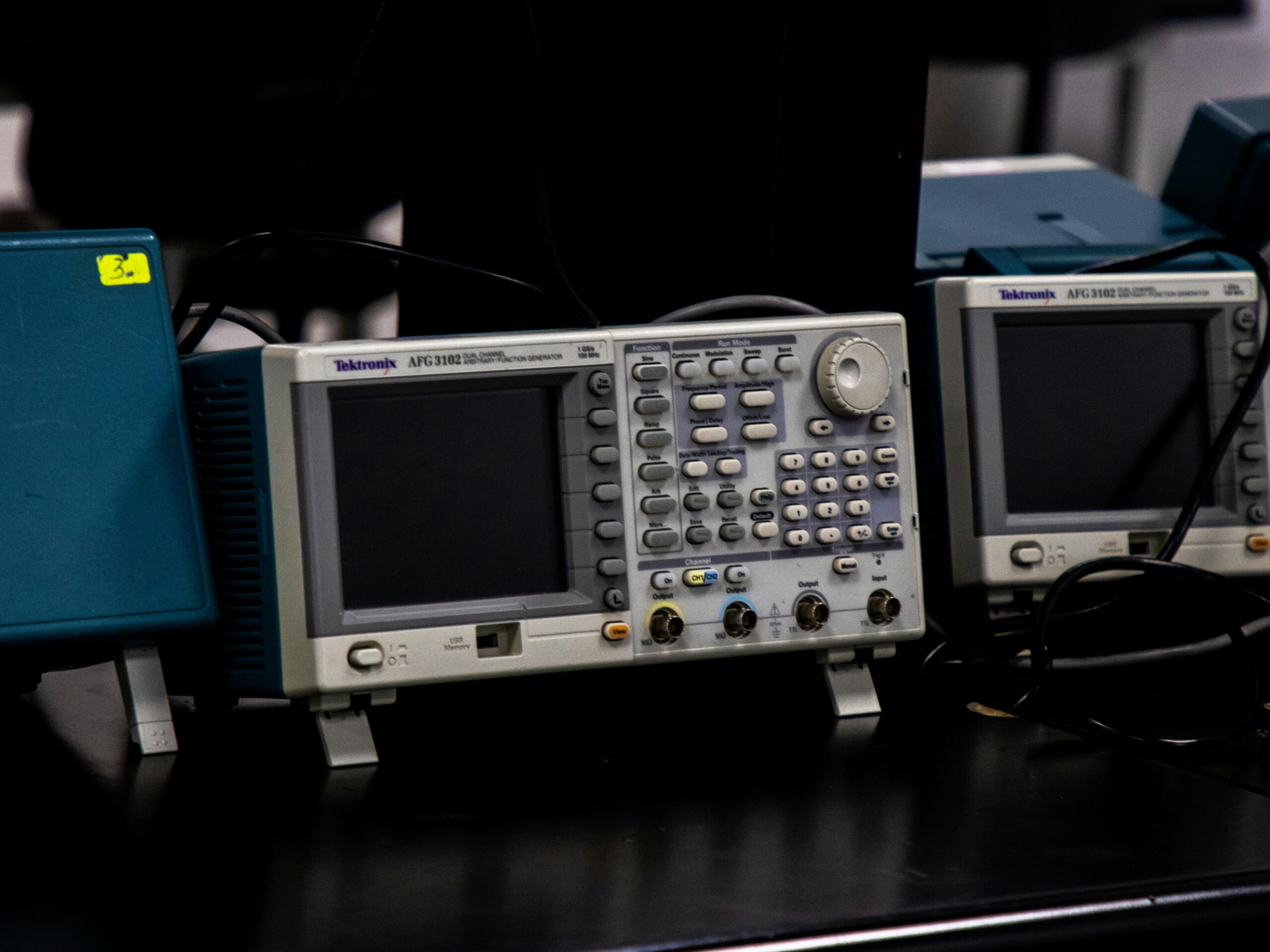
Environmental noise pollution silently invades our daily lives, affecting health, productivity, and well-being in ways we often fail to recognize until the damage manifests.

🌍 The Hidden Epidemic: Understanding Environmental Noise Pollution
We live in an increasingly noisy world. From the rumble of traffic outside our windows to the constant hum of air conditioning units, construction machinery, and aircraft overhead, environmental noise has become an unavoidable aspect of modern life. Yet unlike other forms of pollution that we can see or smell, noise pollution remains largely invisible—a silent threat that chips away at our physical and mental health.
Environmental noise refers to unwanted or harmful outdoor sound created by human activities, including transportation, industrial operations, and recreational activities. The World Health Organization estimates that at least one million healthy life years are lost annually in Western Europe alone due to environmental noise exposure. This staggering statistic reveals a public health crisis that demands immediate attention and comprehensive solutions.
📊 The Science Behind Sound: When Decibels Turn Dangerous
Understanding noise pollution begins with grasping how sound is measured. Sound intensity is quantified in decibels (dB), with the scale being logarithmic rather than linear. This means that an increase of just 10 dB represents a doubling of perceived loudness. Normal conversation typically registers around 60 dB, while a lawnmower might produce 90 dB, and a jet engine at takeoff can exceed 140 dB.
The danger threshold begins lower than most people realize. Prolonged exposure to sounds above 70 dB can cause hearing damage over time, while sounds above 85 dB pose immediate risks with extended exposure. The insidious nature of noise pollution lies in its cumulative effect—damage that accumulates gradually, often going unnoticed until permanent hearing loss occurs.
Critical Noise Levels and Their Sources
- 30-40 dB: Quiet library or bedroom at night (ideal for sleep)
- 50-60 dB: Normal conversation, office environment
- 70-80 dB: Busy traffic, alarm clock, vacuum cleaner
- 90-100 dB: Motorcycle, power tools, subway train
- 110-120 dB: Rock concert, chainsaw, ambulance siren
- 140+ dB: Jet engine, gunshot, fireworks at close range
💔 The Health Toll: More Than Just Annoying Sounds
The impact of environmental noise extends far beyond temporary discomfort or interrupted conversations. Decades of research have established clear connections between chronic noise exposure and serious health conditions. The consequences ripple through multiple body systems, creating a cascade of physiological and psychological effects.
Cardiovascular disease represents one of the most concerning outcomes. Studies have demonstrated that people living near major highways or airports face significantly elevated risks of hypertension, heart attacks, and strokes. The mechanism involves the body’s stress response—constant noise triggers the release of stress hormones like cortisol and adrenaline, keeping the body in a perpetual state of alert that damages blood vessels and heart tissue over time.
Sleep Disruption and Cognitive Impairment
Perhaps nowhere is noise pollution more damaging than in its interference with sleep. Even sounds that don’t fully wake us can fragment sleep architecture, reducing time spent in restorative deep sleep and REM stages. The consequences manifest as daytime fatigue, reduced concentration, impaired memory formation, and decreased cognitive performance.
Children exposed to chronic environmental noise show measurable deficits in reading comprehension, long-term memory, and academic performance. Schools located near airports or busy roads consistently report lower test scores compared to institutions in quieter neighborhoods, even when controlling for socioeconomic factors.
Mental Health and Well-Being
The psychological burden of constant noise cannot be overstated. Research links environmental noise exposure to increased rates of anxiety, depression, and overall psychological distress. The inability to escape unwanted sound creates feelings of helplessness and loss of control, fundamental factors in the development of stress-related mental health conditions.
🚗 Major Sources: Identifying the Culprits
Addressing environmental noise requires identifying its primary sources. Transportation dominates the noise landscape in most urban and suburban areas, but industrial activities, construction, and even recreational pursuits contribute significantly to the acoustic burden communities face.
Transportation Noise
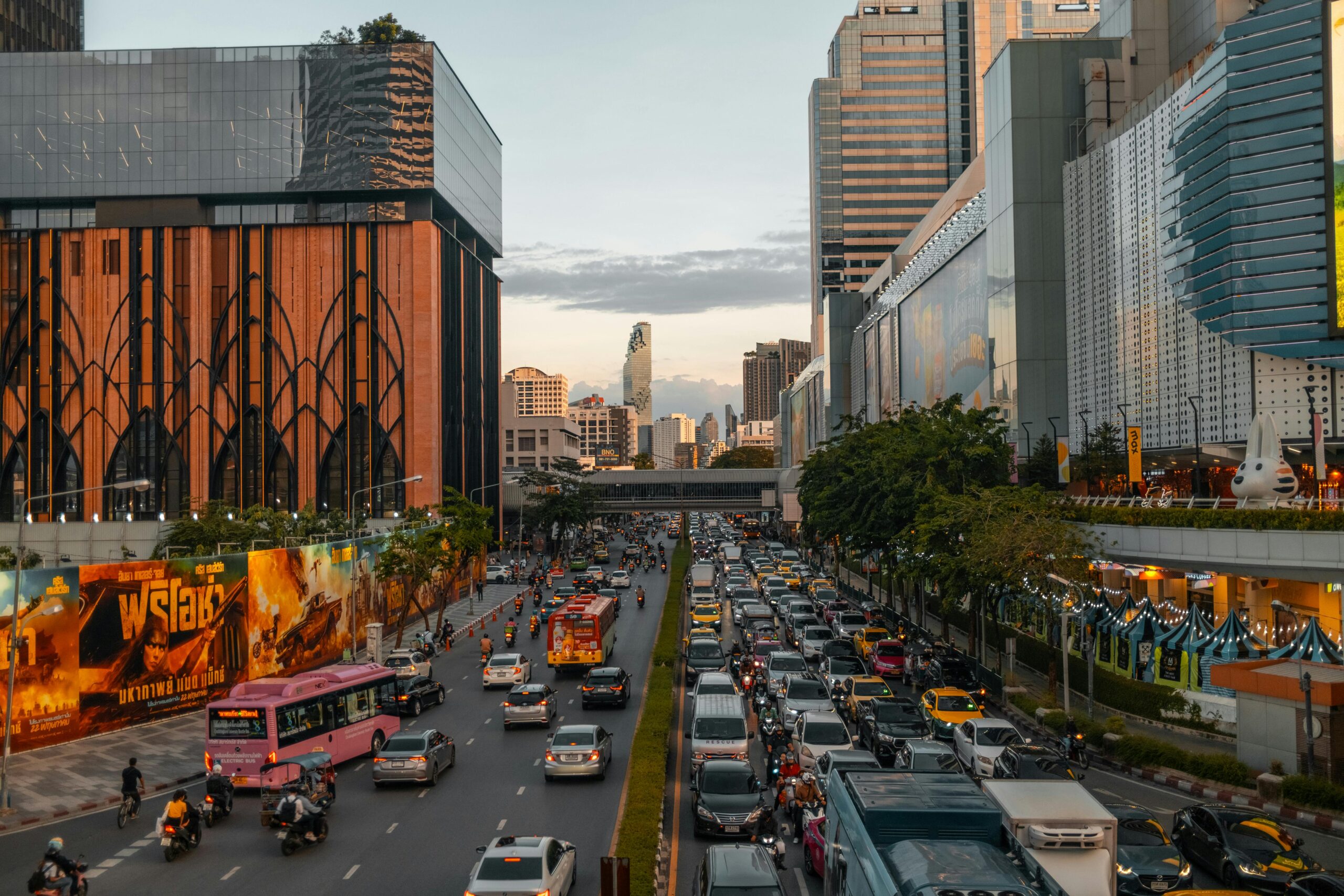
Road traffic accounts for the majority of environmental noise exposure worldwide. The combination of engine noise, tire-road interaction, and aerodynamic effects creates a constant background roar in cities and along major highways. Heavy trucks and motorcycles prove particularly problematic, generating sound levels that can exceed 90 dB at close range.
Aircraft noise affects millions living near airports and under flight paths. The intermittent but intense nature of aircraft noise makes it especially disruptive, with sudden spikes in sound level triggering startle responses and interrupting sleep, conversation, and concentration. Rail systems, while generally more efficient than road transport, also generate significant noise through wheel-rail interaction and warning signals.
Industrial and Construction Activities
Industrial facilities contribute to the noise burden through machinery operation, ventilation systems, and material handling. Construction sites represent temporary but intense sources of noise pollution, with jackhammers, pile drivers, and heavy equipment creating sound levels that can exceed safe thresholds for both workers and nearby residents.
🏛️ Policy and Regulation: The Framework for Change
Effective noise management requires comprehensive policy frameworks that balance economic development with public health protection. The European Union has established some of the world’s most progressive noise regulations through its Environmental Noise Directive, requiring member states to map noise exposure and develop action plans for problem areas.
Noise mapping has emerged as a crucial tool for understanding and addressing environmental noise. These detailed acoustic surveys identify hotspots, quantify population exposure, and guide targeted interventions. Cities worldwide are increasingly adopting noise mapping as part of urban planning processes, though implementation remains inconsistent.
Building Codes and Urban Planning
Forward-thinking jurisdictions incorporate noise considerations into building codes and zoning regulations. Requirements for sound insulation in residential construction, setback distances from major roads and railways, and buffer zones around airports help protect residents from excessive noise exposure. Mixed-use development, when properly planned, can reduce transportation noise by decreasing the need for long commutes.
🛠️ Solutions at Multiple Scales: From Cities to Bedrooms
Tackling environmental noise requires interventions at every level, from municipal infrastructure projects to personal protective measures. No single solution addresses all noise sources, making a comprehensive, multi-layered approach essential.
Infrastructure and Urban Design
Noise barriers along highways and railways represent one of the most visible noise control measures. When properly designed, these structures can reduce sound levels by 10-15 dB, providing meaningful relief for nearby residents. However, barriers work best for properties at ground level and lose effectiveness with distance and height.
Quieter road surfaces, such as porous asphalt that reduces tire-road noise by several decibels, offer city-wide benefits. Low-noise pavements cost more initially but deliver long-term value through reduced noise exposure for thousands of residents. Traffic management strategies, including speed reduction, truck route restrictions, and traffic calming measures, also contribute to quieter urban environments.
Green Infrastructure
Vegetation provides multiple acoustic benefits. Dense plantings create physical barriers that absorb and scatter sound waves, while the rustling of leaves produces pleasant masking sounds that make mechanical noise less intrusive. Parks and green corridors offer acoustic refuges where residents can escape urban noise, providing psychological restoration and stress relief.
Living walls and green roofs on buildings absorb sound, reduce reverberation, and mitigate the urban heat island effect that can exacerbate noise perception. These nature-based solutions deliver co-benefits for biodiversity, air quality, and stormwater management while addressing noise pollution.
🔧 Technology and Innovation: Engineering Quieter Solutions
Technological advances are creating quieter vehicles, machinery, and appliances. Electric vehicles eliminate engine noise, though tire-road interaction still generates sound at higher speeds. Aircraft manufacturers are developing quieter engines and improved aerodynamics, while operational procedures like continuous descent approaches reduce noise impacts on communities near airports.
Active noise cancellation technology, long used in headphones, is being scaled up for architectural applications. Smart windows with integrated noise cancellation systems are in development, promising to block unwanted sound while allowing fresh air ventilation—a limitation of traditional soundproofing.
Monitoring and Apps
Smartphone applications now enable citizens to measure and report noise levels, creating crowdsourced noise maps and increasing awareness. These tools empower individuals to understand their acoustic environment and advocate for quieter communities.
🏠 Personal Protection: Taking Control of Your Acoustic Environment
While systemic solutions remain essential, individuals can take immediate steps to reduce noise exposure in their homes and daily lives. Soundproofing measures, though they require investment, significantly improve indoor acoustic comfort and sleep quality.
Home Modifications
Upgrading to double or triple-glazed windows dramatically reduces external noise transmission. Adding weather stripping to doors, installing solid-core interior doors, and sealing gaps around pipes and electrical outlets all contribute to a quieter indoor environment. Heavy curtains, thick carpets, and upholstered furniture absorb sound, reducing reverberation and creating calmer acoustic spaces.
For bedrooms, where quiet is most critical, consider installing acoustic panels on walls facing noise sources. White noise machines or fans can mask disruptive sounds, promoting better sleep. Ear plugs remain the most affordable and effective personal protection, particularly for sleeping in noisy environments.
🌱 Building a Quieter Future: The Path Forward
Creating genuinely quiet, healthy communities requires sustained commitment from policymakers, urban planners, industry, and citizens. The good news is that effective solutions exist—we need only the will to implement them comprehensively.
Education plays a vital role. Many people remain unaware of noise pollution’s health impacts or their rights to quiet enjoyment of their homes. Public awareness campaigns can shift cultural attitudes, making noise reduction a priority in consumer choices, development decisions, and political advocacy.
Economic Arguments for Quieter Cities
Noise reduction isn’t just about health—it makes economic sense. Properties in quiet neighborhoods command premium prices, while noise pollution depresses real estate values. Healthcare costs associated with noise-related illness burden public and private systems. Productivity losses from impaired concentration and sleep disruption affect economic output.
Investing in noise reduction generates returns through improved public health, increased property values, enhanced quality of life, and greater urban attractiveness. Cities that prioritize acoustic comfort attract residents, businesses, and tourists seeking environments that support well-being and productivity.
🎯 Action Steps: What You Can Do Today
Individual actions, when multiplied across communities, create meaningful change. Here are concrete steps anyone can take to reduce noise pollution:
- Measure noise levels in your home and workplace to identify problem areas
- Support local noise ordinances and enforcement efforts
- Choose quieter appliances, tools, and vehicles when making purchases
- Practice “acoustic citizenship” by being mindful of noise you generate
- Advocate for noise considerations in local development and transportation planning
- Plant trees and shrubs that provide acoustic screening
- Join or form community groups focused on noise reduction
- Report excessive noise violations to appropriate authorities
🌟 Embracing the Sound of Silence
Silence has become a rare and precious commodity in our modern world. Yet access to quiet environments should not be a luxury reserved for the wealthy—it’s a fundamental aspect of public health and human well-being that everyone deserves. The path to quieter, healthier communities runs through conscious choices at every level, from personal behavior to national policy.
As we confront the challenges of environmental noise, we’re ultimately asking what kind of world we want to inhabit. One where we’re constantly assaulted by unwanted sound, experiencing chronic stress and declining health? Or one where acoustic comfort is valued and protected, where cities are designed with human well-being at their center, and where we can hear ourselves think, connect meaningfully with others, and experience restorative quiet?
The technology, knowledge, and tools to create quieter environments already exist. What remains is cultivating the collective will to prioritize silence in our increasingly cacophonous world. By silencing the chaos, we open space for health, peace, and the subtle sounds that make life rich—birdsong, rustling leaves, children’s laughter, and the gentle rhythms of communities in harmony with their acoustic environment.
The journey toward a quieter world begins with a single voice raised in advocacy, a single policy enacted, a single decision to choose quiet over convenience. Together, these individual actions can crescendo into a powerful movement that transforms our sonic landscape, creating spaces where silence is no longer an endangered experience but a protected right, accessible to all who seek its healing embrace.