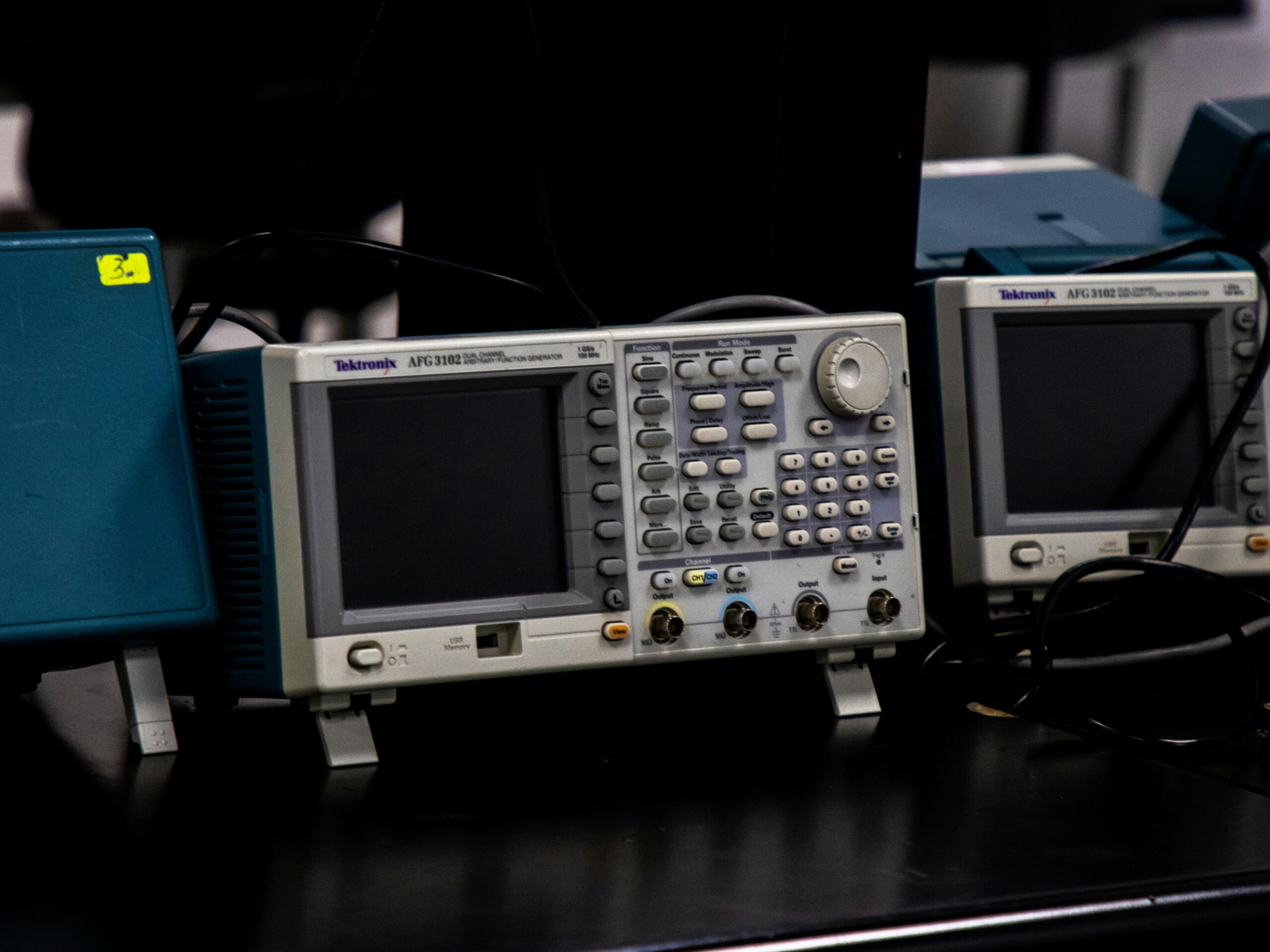
Measurement repeatability stands as a cornerstone of quality control, yet achieving consistent, reliable results remains one of the most challenging aspects of modern precision engineering and scientific research.

🎯 Understanding the Foundation of Measurement Repeatability
Measurement repeatability refers to the ability to obtain consistent results when measuring the same item multiple times under identical conditions. This concept differs fundamentally from reproducibility, which involves different operators, equipment, or environments. The distinction matters because repeatability isolates the inherent variability of your measurement system itself.
In manufacturing, research, and quality assurance environments, repeatability serves as a critical indicator of measurement system capability. When repeatability suffers, decision-making becomes compromised, leading to increased scrap rates, customer complaints, and regulatory non-compliance. Understanding what affects repeatability forms the first step toward mastering precision measurement.
The Critical Components of Measurement Systems
Every measurement system comprises several interconnected elements that collectively determine repeatability performance. The measuring instrument itself represents just one piece of a complex puzzle that includes the operator, environmental conditions, measurement procedure, and the part being measured.
Instrument resolution directly impacts your ability to detect small variations. If your measurement resolution equals or exceeds the tolerance you’re trying to control, repeatability becomes mathematically impossible. Industry best practice suggests measurement resolution should be at least ten times finer than the tolerance being measured.
Calibration status affects repeatability in ways both obvious and subtle. Instruments drift over time due to mechanical wear, electronic component aging, and environmental exposure. Regular calibration ensures your measurement baseline remains stable and traceable to recognized standards.
🔬 Common Culprits Behind Poor Repeatability
Identifying the root causes of repeatability problems requires systematic investigation. Many organizations struggle with measurement consistency because they focus on symptoms rather than underlying issues. Environmental factors frequently emerge as primary contributors to measurement variation.
Temperature fluctuations cause materials to expand and contract, affecting both the part being measured and the measuring instrument. A temperature change of just one degree Celsius can alter the dimensions of a steel part by approximately 11 micrometers per meter of length. Climate-controlled measurement rooms exist for precisely this reason.
Operator Technique Variables
Human factors introduce substantial variability into measurement processes. The force applied during contact measurements, the angle of approach, and even the time allowed for thermal stabilization all influence results. Operator-induced variation often accounts for the largest component of measurement system error.
Training inconsistencies compound these problems. When operators learn measurement techniques through informal observation rather than standardized instruction, each develops slightly different habits. These subtle differences accumulate, creating significant repeatability challenges across shifts and production facilities.
Fixture and workholding consistency represents another frequently overlooked source of variation. If parts aren’t located identically for each measurement, you’re essentially measuring different features. Proper fixturing eliminates degrees of freedom that introduce unwanted variation.
📊 Quantifying Repeatability Through Proper Assessment
Before improving repeatability, you must accurately quantify your current performance. Gage Repeatability and Reproducibility (GR&R) studies provide the industry-standard methodology for assessing measurement system capability. These studies partition total measurement variation into components attributable to the gage itself, operators, and part-to-part differences.
A properly conducted GR&R study involves multiple operators measuring multiple parts multiple times in a randomized sequence. Statistical analysis of the resulting data reveals what percentage of observed variation stems from the measurement system versus actual part variation. Industry guidelines suggest measurement system variation should consume less than 10% of tolerance for critical characteristics.
Interpreting Repeatability Statistics
The repeatability standard deviation quantifies the inherent precision of your measurement system. Multiplying this value by six provides the repeatability range, representing the spread within which nearly all repeated measurements will fall. Comparing this range to your process tolerance reveals measurement system adequacy.
The number of distinct categories (NDC) offers another valuable metric. NDC indicates how many non-overlapping confidence intervals fit within your process variation. An NDC value of five or greater suggests your measurement system can adequately discriminate between parts of varying quality.
| GR&R Percentage | Interpretation | Recommended Action |
|---|---|---|
| Under 10% | Excellent system capability | Continue monitoring |
| 10% to 30% | Acceptable for some applications | Consider improvement initiatives |
| Over 30% | Unacceptable for quality control | Immediate corrective action required |
🛠️ Practical Strategies for Improving Repeatability
Enhancing measurement repeatability requires a systematic approach that addresses equipment, procedures, environment, and human factors simultaneously. Quick fixes rarely deliver lasting improvements; sustainable enhancement demands comprehensive system optimization.
Environmental stabilization represents the most impactful single improvement for many operations. Installing measurement equipment in temperature-controlled rooms eliminates thermal expansion as a variable source. Where dedicated metrology labs prove impractical, localized environmental controls around critical measurement stations can deliver significant benefits.
Equipment Upgrades and Maintenance
Investing in higher-resolution measurement equipment directly improves repeatability potential. Modern digital instruments offer resolution improvements of ten-fold or more compared to older analog alternatives. However, simply purchasing expensive equipment won’t guarantee better results without proper implementation and maintenance.
Preventive maintenance programs ensure instruments maintain their specified performance characteristics. Regular cleaning, lubrication, and adjustment prevent gradual degradation that erodes repeatability over time. Establishing maintenance intervals based on usage intensity rather than arbitrary calendar schedules optimizes reliability.
Measurement force control systems eliminate operator-induced variation in contact measurements. Spring-loaded probes, air gages, and electronic force-sensing systems ensure consistent contact pressure regardless of operator technique. These technologies prove especially valuable for measuring soft or deformable materials.
📱 Leveraging Technology for Measurement Consistency
Digital measurement solutions revolutionize repeatability by eliminating reading errors and automating data collection. Modern measurement systems capture and analyze data with precision impossible through manual methods. Statistical process control software identifies trends before they impact product quality.
Automated measurement systems remove operator variability entirely. Coordinate measuring machines (CMMs), vision systems, and laser scanners deliver exceptional repeatability by executing identical measurement routines with mechanical precision. Initial investment costs are offset by improved quality and reduced inspection time.
Standardizing Procedures Through Documentation
Comprehensive measurement procedures ensure every operator follows identical methods. Effective procedures specify not just what to measure, but how to position parts, when to zero instruments, how many readings to take, and what environmental conditions must exist. Visual aids and photos enhance understanding across language barriers.
Work instructions should address thermal stabilization requirements explicitly. Parts coming directly from machining or assembly carry thermal gradients that distort measurements. Specifying minimum stabilization times prevents temperature-induced measurement errors.
Measurement sequence optimization minimizes systematic errors. When measuring multiple features on a single part, the order of operations can influence results through cumulative fixture wear, instrument drift, or part deformation. Standardized sequences eliminate this variable source of error.
🎓 Training Programs That Drive Repeatability Excellence
Operator competency directly determines measurement system performance. Comprehensive training programs must extend beyond basic instrument operation to include measurement theory, error sources, and troubleshooting techniques. Hands-on practice with immediate feedback accelerates skill development.
Certification programs validate operator proficiency through performance-based testing. Rather than simply confirming attendance at training sessions, certification requires demonstrating actual measurement capability. Periodic recertification ensures skills remain current as equipment and procedures evolve.
Creating a Culture of Measurement Excellence
Organizational culture profoundly influences measurement quality. When production pressure encourages rushing through inspections, repeatability inevitably suffers. Leadership must actively promote the value of accurate measurement and allocate sufficient time for proper techniques.
Regular audits of measurement practices identify drift from established procedures. Observing operators in their normal work environment reveals shortcuts and adaptations that compromise repeatability. Non-punitive correction reinforces standards without discouraging honest reporting of problems.
Sharing measurement system performance data promotes continuous improvement. Posting GR&R results, repeatability trends, and improvement initiatives creates accountability while recognizing excellence. Transparency transforms measurement from a compliance burden into a source of competitive advantage.
🔍 Advanced Techniques for Challenging Applications
Certain measurement scenarios present exceptional repeatability challenges that demand specialized approaches. Measuring extremely small features, flexible materials, or optically difficult surfaces requires techniques beyond conventional methods.
Multi-sensor systems combine different measurement technologies to overcome individual limitations. Integrating tactile probing with optical scanning, for example, leverages the strengths of each approach while compensating for their respective weaknesses. Fusion algorithms synthesize data from multiple sources into comprehensive, highly repeatable results.
Statistical Methods for Uncertainty Quantification
Measurement uncertainty analysis provides rigorous mathematical framework for understanding repeatability within broader measurement system performance. While repeatability addresses variation under identical conditions, uncertainty encompasses all possible sources of measurement error including calibration, resolution, environmental effects, and operator influence.
The Guide to the Expression of Uncertainty in Measurement (GUM) methodology offers internationally recognized procedures for calculating and expressing measurement uncertainty. Properly conducted uncertainty analysis reveals which error sources dominate and therefore deserve priority attention for improvement.
Confidence intervals derived from uncertainty analysis inform decision-making about conformance. When measurement uncertainty approaches tolerance limits, simple pass-fail decisions become problematic. Guard-banding strategies account for uncertainty by tightening acceptance criteria, ensuring parts near tolerance limits receive appropriate scrutiny.
💡 Implementing Continuous Improvement Systems
Sustained repeatability excellence requires ongoing monitoring and refinement. Measurement system performance degrades gradually through normal wear, environmental changes, and procedural drift. Proactive monitoring detects deterioration before it compromises product quality.
Control charts for measurement processes track repeatability metrics over time. Plotting repeatability standard deviation or GR&R percentages reveals trends that predict future problems. Establishing control limits based on historical performance triggers investigation when unusual variation appears.
Corrective Action and Root Cause Analysis
When repeatability problems emerge, structured problem-solving methodologies prevent recurrence. The Eight Disciplines (8D) process or similar approaches ensure thorough investigation that identifies true root causes rather than superficial symptoms. Documentation of corrective actions builds organizational knowledge.
Failure Mode and Effects Analysis (FMEA) applied to measurement systems anticipates potential repeatability problems before they occur. Systematically examining how each measurement system component might fail enables proactive prevention rather than reactive correction.
🌟 The Business Case for Repeatability Investment
Improving measurement repeatability delivers substantial return on investment through multiple mechanisms. Reduced scrap and rework provide immediate cost savings, while improved customer satisfaction generates long-term competitive advantage. Regulatory compliance becomes simpler when measurement systems demonstrate clear capability.
Hidden costs of poor repeatability often exceed obvious expenses. When measurements lack repeatability, engineers waste time investigating phantom problems that reflect measurement error rather than actual process variation. Product development cycles lengthen as teams struggle to distinguish real improvements from measurement noise.
Supply chain relationships benefit from measurement consistency. When your measurements align with customer and supplier results, disputes disappear and collaboration strengthens. Demonstrated measurement capability builds trust that facilitates partnership rather than adversarial relationships.
🚀 Moving Forward with Confidence
Mastering measurement repeatability transforms quality from abstract goal to concrete reality. Organizations that invest in proper equipment, comprehensive training, and systematic improvement processes gain competitive advantages that compound over time. The journey toward measurement excellence never truly ends, but each improvement delivers immediate and lasting benefits.
Starting with thorough assessment of current capabilities establishes the baseline for improvement. Conducting comprehensive GR&R studies across critical measurement systems reveals priorities for enhancement efforts. Quick wins in obvious problem areas build momentum for more challenging improvements.
Engaging operators as partners in improvement rather than subjects of criticism unlocks valuable insights. Those performing measurements daily understand practical challenges that engineering analysis might overlook. Collaborative problem-solving generates solutions that prove both technically sound and practically implementable.
Success in measurement repeatability ultimately depends on organizational commitment to excellence. When leadership values accurate measurement and provides resources for proper implementation, repeatability improves naturally. The precision you achieve in measurement translates directly into precision in your products and services.