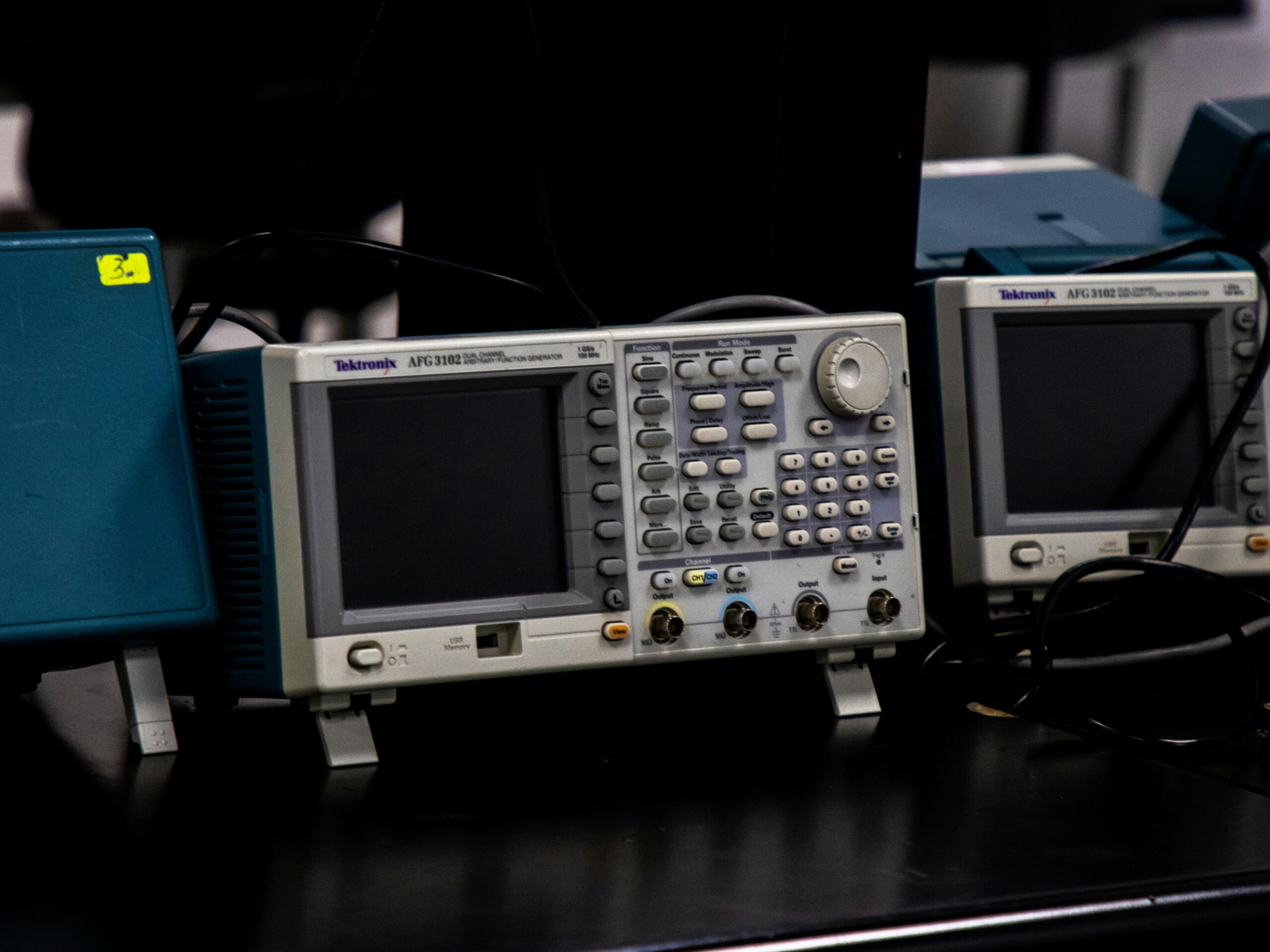
Precision engineering transforms industries by eliminating costly errors that compromise product quality, operational efficiency, and overall performance across manufacturing, robotics, and automation systems.

🎯 Understanding the Critical Nature of Alignment and Positioning Errors
In today’s competitive manufacturing landscape, even microscopic deviations can cascade into significant problems. Alignment and positioning errors represent some of the most persistent challenges facing engineers, technicians, and quality control specialists worldwide. These errors manifest in various forms—from mechanical misalignment in assembly lines to optical miscalibration in measurement systems—and their consequences extend far beyond immediate production concerns.
The financial impact of positioning errors is staggering. Studies indicate that manufacturing defects related to misalignment cost industries billions annually through product recalls, rework expenses, and diminished brand reputation. More critically, these errors compromise safety standards in sectors like aerospace, automotive, and medical device manufacturing, where precision isn’t just desirable—it’s absolutely essential.
Understanding the root causes of alignment issues requires a multidisciplinary approach. Thermal expansion, mechanical wear, vibration, improper calibration, and human error all contribute to positioning inaccuracies. Each factor interacts with others in complex ways, making diagnosis and correction challenging without systematic methodologies.
🔍 Common Sources of Alignment Failures in Modern Systems
Identifying where alignment problems originate is the first step toward mastering precision. Manufacturing environments present numerous opportunities for misalignment to occur, often in unexpected ways that aren’t immediately apparent to operators or maintenance personnel.
Mechanical Wear and Component Degradation
Mechanical systems inevitably experience wear over time. Bearings lose their tolerances, guide rails develop irregularities, and mounting surfaces become compromised. These gradual changes often go unnoticed until they accumulate into significant positioning errors that affect product quality. Preventive maintenance programs must account for this reality by incorporating regular precision measurements and establishing replacement schedules based on actual wear patterns rather than arbitrary timeframes.
Environmental Factors and Thermal Dynamics
Temperature fluctuations cause materials to expand and contract at different rates, creating alignment challenges that vary throughout the day. A system perfectly calibrated at room temperature may drift significantly when production heat or ambient conditions change. Precision engineering must account for these thermal dynamics through appropriate material selection, thermal compensation algorithms, and environmental controls that maintain stable operating conditions.
Installation and Setup Errors
Many alignment problems originate during initial installation or after maintenance procedures. Inadequate training, rushed timelines, or insufficient verification protocols allow errors to persist from the outset. Establishing rigorous commissioning procedures with comprehensive documentation ensures that systems begin operation with optimal alignment, providing a solid foundation for ongoing precision.
⚙️ Advanced Measurement Technologies for Precision Verification
Achieving flawless alignment requires accurate measurement capabilities that exceed the precision demands of the application itself. Modern metrology provides an impressive arsenal of tools and techniques for verifying positioning accuracy across various scales and applications.
Laser interferometry stands as the gold standard for ultra-precise distance measurements, offering resolution down to nanometer scales. These systems provide non-contact measurement with exceptional accuracy, making them ideal for calibrating machine tools, coordinate measuring machines, and precision stages. Their implementation has revolutionized quality control in industries demanding extreme precision.
Coordinate measuring machines (CMMs) bring three-dimensional verification capabilities to quality control operations. These sophisticated instruments probe physical parts to verify dimensional accuracy against design specifications, identifying positioning errors in manufactured components before they progress through production processes. Modern CMMs integrate with CAD systems, enabling automated inspection routines that dramatically reduce verification time while improving consistency.
Optical measurement systems offer versatility for applications where contact measurement isn’t feasible. Vision systems, photogrammetry, and structured light scanning provide rapid, non-invasive assessment of alignment and positioning across complex geometries. These technologies excel in applications requiring high-speed inspection or dealing with delicate components that cannot withstand contact probing forces.
📐 Systematic Approaches to Alignment Correction
Correcting alignment errors demands systematic methodologies that progress from gross adjustments to fine-tuning, ensuring each correction builds toward optimal results without introducing new problems.
Establishing Reliable Reference Frames
Every alignment procedure requires trustworthy reference points or surfaces from which all measurements originate. Establishing these references with appropriate precision determines the ultimate accuracy achievable. Granite surface plates, precision ground ways, and laser-generated reference lines provide the stable foundations necessary for successful alignment work. Verifying these references before beginning alignment procedures prevents wasted effort correcting to compromised standards.
Sequential Adjustment Protocols
Effective alignment follows logical sequences that address the most significant errors first, progressively refining positioning through iterative adjustments. This approach prevents overcorrection and minimizes the interaction effects where adjusting one axis affects others. Documentation of each adjustment stage enables troubleshooting if problems arise and provides valuable data for optimizing future procedures.
- Conduct preliminary assessment to identify major deviations
- Correct gross positioning errors using mechanical adjustments
- Verify intermediate results before proceeding to fine adjustments
- Implement precision corrections using micrometer-level adjusters
- Perform comprehensive verification across full operational range
- Document final configuration for future reference and maintenance
🛠️ Precision Tools and Equipment for Optimal Alignment
The quality of alignment results correlates directly with the appropriateness and condition of tools employed. Investing in proper equipment and maintaining it meticulously pays dividends through improved outcomes and reduced correction time.
Dial indicators remain fundamental tools for mechanical alignment, providing tactile feedback and real-time indication of positioning changes during adjustment. Electronic dial indicators offer enhanced resolution and data recording capabilities, integrating with computerized systems for automated verification protocols.
Precision levels and inclinometers measure angular alignment with exceptional sensitivity. Modern electronic levels provide digital readouts with resolution measured in arc seconds, enabling extremely precise leveling operations critical for machine tool installation and optical system alignment.
Laser alignment systems have transformed shaft alignment, machine tool calibration, and straightness verification. These instruments project highly collimated laser beams that serve as precise reference lines, enabling rapid alignment verification across considerable distances while maintaining micron-level accuracy.
💡 Implementing Continuous Precision Monitoring Systems
Rather than treating alignment as a periodic maintenance activity, leading manufacturers increasingly implement continuous monitoring systems that detect positioning drift before it affects product quality. This proactive approach transforms precision management from reactive troubleshooting to predictive maintenance.
In-process measurement systems integrate sensors directly into production equipment, providing real-time feedback on positioning accuracy. These systems enable immediate corrections, compensating for thermal drift, tool wear, and other dynamic factors that would otherwise compromise precision. Statistical process control algorithms analyze measurement data to identify trends indicating developing alignment problems before they exceed tolerance limits.
Predictive maintenance platforms combine sensor data with machine learning algorithms to forecast when alignment will drift beyond acceptable limits. This intelligence enables scheduled maintenance during planned downtime rather than reactive responses to quality failures, significantly reducing production disruptions and associated costs.
🎓 Training and Competency Development for Precision Work
Technology alone cannot ensure precision—skilled personnel who understand alignment principles and possess hands-on competency remain absolutely essential. Organizations achieving consistent precision results invest substantially in developing workforce capabilities through comprehensive training programs.
Effective training programs combine theoretical understanding with extensive practical experience. Participants must grasp the physics underlying alignment principles, understand measurement uncertainty, and develop the manual dexterity required for precise adjustments. Simulation systems provide risk-free environments for developing skills before applying them to production equipment.
Certification programs validate competency and establish standards for precision work. Organizations like the American Society of Mechanical Engineers offer credentials recognizing demonstrated expertise in alignment and precision measurement, providing objective benchmarks for workforce development initiatives.
📊 Measuring Success: Key Performance Indicators for Precision Operations
Establishing clear metrics enables organizations to quantify precision performance, identify improvement opportunities, and justify investments in enhanced capabilities. Effective key performance indicators focus on outcomes rather than activities, connecting precision initiatives to business results.
| Performance Metric | Measurement Method | Target Benchmark |
|---|---|---|
| First-Pass Yield | Percentage of parts meeting specifications without rework | >99.5% |
| Position Repeatability | Standard deviation of repeated positioning measurements | <5 microns |
| Calibration Interval | Time between required calibration adjustments | >6 months |
| Alignment Time | Hours required for complete system alignment | <4 hours |
| Quality Cost Ratio | Alignment-related costs as percentage of production value | <2% |
🚀 Emerging Technologies Revolutionizing Precision Engineering
The precision engineering landscape continues evolving rapidly as new technologies emerge, offering capabilities previously considered impossible or impractical. Staying current with these developments provides competitive advantages and enables quantum leaps in precision performance.
Artificial intelligence and machine learning algorithms now optimize alignment procedures by analyzing vast datasets to identify patterns invisible to human observers. These systems predict optimal adjustment sequences, compensate for complex interactions between multiple alignment parameters, and continuously refine their recommendations based on outcomes.
Augmented reality systems transform alignment procedures by overlaying digital information onto physical equipment, guiding technicians through complex procedures with visual cues and real-time feedback. This technology dramatically reduces training time while improving consistency across personnel with varying experience levels.
Nanotechnology enables positioning systems with resolution measured in nanometers, opening new possibilities in semiconductor manufacturing, precision optics, and advanced materials research. Piezoelectric actuators and friction-based nano-positioning stages achieve positioning accuracy that would have seemed like science fiction just decades ago.
🌐 Industry-Specific Precision Challenges and Solutions
Different industries face unique precision challenges requiring specialized approaches. Understanding these sector-specific requirements enables targeted solutions that address particular operational realities.
Aerospace Manufacturing Precision Requirements
Aerospace components demand exceptional precision due to safety-critical applications and extreme operating conditions. Alignment tolerances often measure in microns across components spanning meters. Specialized fixturing, temperature-controlled environments, and rigorous verification protocols ensure aircraft structures, engine components, and control surfaces meet exacting specifications throughout their service lives.
Medical Device Manufacturing Standards
Medical devices require precision that directly impacts patient outcomes. Surgical instruments, diagnostic equipment, and implantable devices must achieve dimensional accuracy ensuring proper function while meeting stringent regulatory requirements. Clean room environments, validated processes, and comprehensive documentation systems support the precision demands of this highly regulated industry.
Semiconductor Fabrication Precision
Semiconductor manufacturing represents the pinnacle of precision engineering, with feature sizes measured in nanometers and positioning requirements exceeding those of virtually any other industry. Ultra-clean environments, vibration isolation systems, and nanometer-resolution positioning equipment enable the production of integrated circuits containing billions of transistors on fingernail-sized chips.
✨ Building a Culture of Precision Excellence
Sustained precision performance requires more than technical capabilities—it demands organizational culture prioritizing accuracy, continuous improvement, and attention to detail. Companies achieving world-class precision results cultivate environments where these values permeate every level.
Leadership commitment provides essential foundation for precision excellence. When executives visibly prioritize precision, allocate necessary resources, and recognize achievements, the entire organization embraces these values. Regular communication about precision objectives, celebrating successes, and learning from failures without blame creates psychological safety encouraging continuous improvement.
Cross-functional collaboration breaks down silos that often compromise precision. Design engineers, manufacturing personnel, quality specialists, and maintenance technicians must collaborate seamlessly, sharing insights and coordinating efforts. Regular precision councils bringing together stakeholders from across the organization facilitate knowledge sharing and align improvement initiatives with strategic objectives.
🔧 Practical Implementation Strategies for Immediate Improvement
Organizations seeking immediate precision improvements can implement several strategies delivering quick wins while building foundations for long-term excellence. These practical approaches require minimal investment while generating measurable results.
Standardizing measurement procedures eliminates variation caused by different technicians employing different methods. Documented standard operating procedures with visual aids ensure consistent measurement techniques regardless of who performs the work. Regular measurement system analysis verifies that instrumentation and methods provide adequate precision for intended applications.
Implementing 5S workplace organization principles dramatically improves precision outcomes. Clean, organized workspaces reduce contamination risks, ensure tools remain in proper condition, and enable efficient workflows that support careful, methodical work. Visual management systems make standards obvious and deviations immediately apparent.
Establishing peer review processes where experienced personnel verify critical alignments before production begins catches errors early when correction costs remain minimal. This collaborative approach also transfers knowledge from experienced craftspeople to newer team members, building organizational capability while improving outcomes.

🎯 Sustaining Precision Performance Over Time
Achieving excellent alignment represents only the beginning—maintaining precision over extended periods as equipment ages and conditions change requires ongoing attention and systematic approaches to performance preservation.
Preventive maintenance programs must specifically address precision-critical components and assemblies. Bearing replacements, guide way refurbishment, and calibration verification occur on schedules determined by actual wear patterns and performance monitoring rather than arbitrary intervals. Condition monitoring systems provide early warning of developing problems before they compromise precision.
Regular precision audits assess whether systems maintain required accuracy levels and identify degradation trends. These comprehensive evaluations examine mechanical condition, measurement system capability, and process stability. Findings drive corrective actions and inform capital planning for equipment replacement or upgrades.
Continuous improvement initiatives systematically enhance precision capabilities through incremental gains compounding over time. Kaizen events focused on specific alignment challenges engage frontline personnel in problem-solving, generating practical improvements while building precision consciousness throughout the organization.
Mastering precision through systematic elimination of alignment and positioning errors represents a journey rather than a destination. Organizations committed to this path discover that precision excellence drives improvements extending far beyond immediate quality metrics, touching every aspect of operational performance and competitive positioning in increasingly demanding markets.