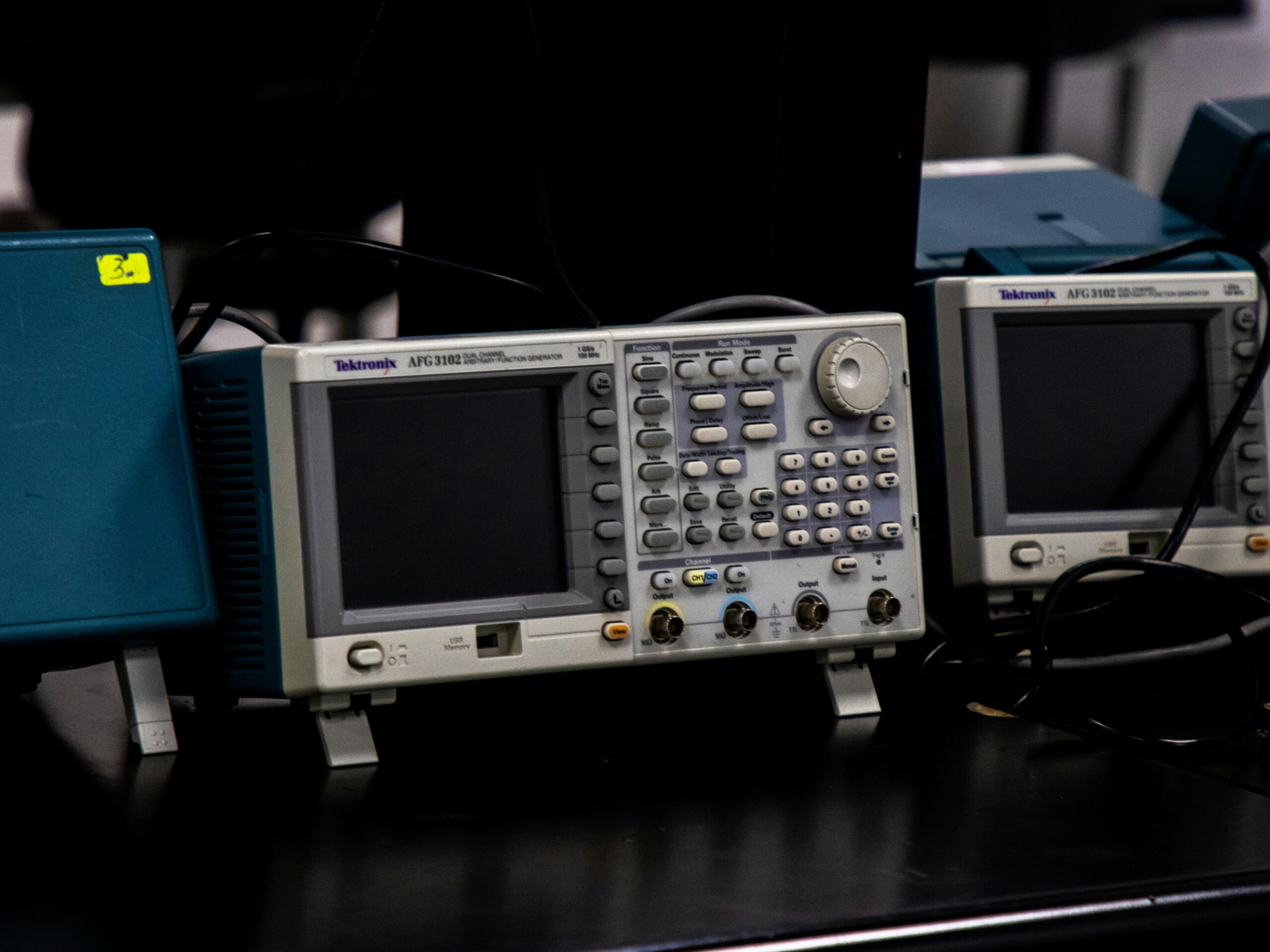
Cross-instrument variability represents one of the most critical challenges in modern measurement science, affecting laboratories, manufacturing facilities, and research institutions worldwide.

When organizations rely on multiple measurement instruments to assess the same parameter, inconsistencies can emerge that compromise data integrity, regulatory compliance, and operational efficiency. These variations don’t merely represent technical nuisances—they translate directly into increased costs, product rejections, and potentially compromised safety standards across industries.
Understanding and mastering cross-instrument variability has become essential for professionals seeking to maintain measurement accuracy in an increasingly interconnected technological landscape. Whether you’re working in pharmaceutical manufacturing, environmental testing, clinical diagnostics, or quality control, the ability to harmonize measurements across different tools determines your organization’s credibility and competitive advantage.
🔍 Understanding the Root Causes of Cross-Instrument Variability
Cross-instrument variability stems from numerous sources that interact in complex ways. Recognizing these underlying factors represents the first step toward developing effective mitigation strategies.
Manufacturing tolerances create inherent differences between instruments, even when they’re identical models from the same production batch. Each sensor, detector, or measuring component possesses unique physical characteristics that influence its response to the measured parameter. These microscopic variations accumulate throughout the instrument’s construction, creating measurable differences in performance.
Calibration drift occurs as instruments age and components degrade over time. Temperature fluctuations, mechanical wear, electronic component aging, and environmental exposure all contribute to gradual shifts in instrument response. Two instruments calibrated identically on the same day will inevitably diverge in their measurements as time passes, creating variability that compounds without proper management.
Environmental conditions exert tremendous influence on measurement consistency. Temperature, humidity, atmospheric pressure, electromagnetic interference, and vibration affect different instruments in unique ways based on their design specifications and physical location. An instrument positioned near a heating vent may produce systematically different results than an identical unit located in a temperature-controlled chamber.
The Human Factor in Measurement Variability
Operator technique introduces another significant source of cross-instrument variability that organizations frequently underestimate. Different technicians may prepare samples differently, position instruments with varying precision, or interpret analog readings through personal judgment. Even with digital instruments, the timing of measurements, sample handling procedures, and maintenance practices vary between individuals.
Software and firmware versions can create substantial measurement differences between instruments that appear identical. Algorithm updates, calculation methods, and data processing routines evolve over time, meaning that instruments running different software versions may process identical raw signals into divergent final results.
⚙️ Establishing Robust Calibration Protocols
Calibration represents the foundation of managing cross-instrument variability, yet many organizations approach it as a compliance checkbox rather than a strategic quality initiative. Effective calibration protocols extend far beyond periodic adjustments to encompass comprehensive measurement assurance programs.
Multi-point calibration across the entire measurement range provides superior control compared to single-point adjustments. Instruments often exhibit non-linear responses, meaning that calibration at one point doesn’t guarantee accuracy across all measurement values. A thermometer calibrated perfectly at 25°C might show significant deviations at 100°C without multi-point verification.
Reference standards selection critically impacts calibration effectiveness. Organizations should maintain certified reference materials traceable to national or international standards, ensuring that all instruments calibrate against common, authoritative benchmarks. The uncertainty of reference standards must be at least three times better than the instruments being calibrated to maintain measurement hierarchy integrity.
Calibration Frequency Optimization
Determining appropriate calibration intervals requires balancing cost considerations against measurement risk. Instruments subjected to harsh conditions, frequent use, or critical applications demand more frequent calibration than those used occasionally in controlled environments.
Historical performance data should guide calibration scheduling. By tracking how quickly instruments drift from calibration over time, organizations can establish evidence-based intervals that prevent measurement failures while avoiding unnecessary calibration expenses. Statistical analysis of calibration records reveals patterns that enable predictive maintenance approaches.
📊 Implementing Cross-Calibration Verification Programs
Cross-calibration verification directly assesses whether multiple instruments produce consistent results when measuring identical samples. This approach reveals real-world variability under actual operating conditions rather than idealized calibration scenarios.
Round-robin testing involves circulating stable reference samples among all instruments within a measurement system. Each instrument measures the sample independently, and the results undergo statistical analysis to identify outliers and quantify overall system variability. This technique exposes instruments requiring recalibration or retirement while validating the measurement system’s overall capability.
Establishing acceptance criteria for cross-instrument agreement requires careful consideration of measurement uncertainty budgets and fitness-for-purpose requirements. Criteria that are too stringent create operational bottlenecks and excessive recalibration costs, while overly permissive standards compromise data quality and decision-making confidence.
Building Effective Measurement Uncertainty Budgets
Comprehensive uncertainty analysis accounts for all variability sources contributing to final measurement results. This includes instrument precision, calibration uncertainty, environmental effects, sample preparation variability, and operator influence. By quantifying each contribution, organizations can prioritize improvement efforts toward factors with the greatest impact.
Uncertainty budgets transform abstract variability concerns into concrete numerical targets that guide quality improvement initiatives. They also provide the foundation for demonstrating measurement fitness for purpose and compliance with regulatory requirements across pharmaceuticals, aerospace, automotive, and other regulated industries.
🛠️ Leveraging Technology for Variability Management
Modern measurement systems incorporate numerous technological solutions that facilitate cross-instrument consistency and streamline variability management processes.
Laboratory Information Management Systems (LIMS) centralize measurement data from multiple instruments, enabling real-time variability monitoring and automated flagging of out-of-specification results. These platforms track calibration histories, maintenance records, and performance trends while generating alerts when instruments exhibit unusual behavior patterns.
Statistical process control charts visualize instrument performance over time, making drift and variability immediately apparent to operators and quality managers. Control charts for each instrument, combined with comparative analysis across instruments, reveal systematic differences requiring investigation and correction.
Automated Calibration Systems
Automated calibration platforms reduce human error while ensuring consistent calibration procedures across all instruments. These systems execute identical calibration sequences, apply standardized data processing algorithms, and document every step with complete traceability. Organizations implementing automated calibration typically achieve tighter cross-instrument consistency while reducing calibration labor costs.
Wireless sensor networks and IoT-enabled instruments provide continuous monitoring of environmental conditions and instrument status. Real-time data streams enable predictive maintenance approaches that address potential variability sources before they impact measurement quality. Temperature fluctuations, humidity changes, and vibration events trigger automated notifications, allowing prompt corrective action.
📋 Developing Comprehensive Standard Operating Procedures
Standardized procedures eliminate technique-related variability by ensuring every operator follows identical protocols regardless of which instrument they’re using. Detailed SOPs must address every aspect of the measurement process, from sample preparation through result reporting.
Effective SOPs specify instrument warm-up times, environmental conditioning requirements, sample positioning techniques, measurement timing, and quality control checks. Visual aids, photographs, and videos enhance understanding and compliance, particularly for complex or critical procedures where small technique variations produce significant measurement differences.
Training programs must verify that operators demonstrate practical competency rather than simply acknowledging they’ve read procedures. Hands-on assessments with experienced supervisors observing actual measurement activities identify technique variations before they compromise data quality.
Creating Decision Trees for Troubleshooting
When instruments produce discrepant results, operators need clear guidance for investigating root causes and implementing corrections. Decision trees built into SOPs systematically guide troubleshooting through logical sequences: verify calibration status, check environmental conditions, examine sample preparation, review maintenance records, and assess recent instrument usage patterns.
This structured approach prevents premature conclusions and ensures comprehensive investigation of potential variability sources. Documentation requirements at each troubleshooting step create valuable records for identifying systemic issues and developing long-term improvement strategies.
🎯 Establishing Instrument Qualification Protocols
Formal qualification programs verify that instruments perform consistently before they enter service and continue meeting specifications throughout their operational lifetime. Qualification extends beyond initial installation to encompass ongoing performance verification.
Installation Qualification (IQ) documents that instruments are received as specified, installed according to manufacturer requirements, and positioned in appropriate environments. This phase establishes baseline conditions against which future performance is compared.
Operational Qualification (OQ) demonstrates that instruments function correctly across their specified operating ranges. Multi-point testing at extreme conditions verifies that instruments maintain accuracy under challenging circumstances, not just ideal scenarios.
Performance Qualification and Continuous Verification
Performance Qualification (PQ) confirms instruments produce accurate, consistent results when measuring actual samples under routine operating conditions. This phase bridges the gap between controlled testing and real-world application, revealing practical issues that theoretical testing might miss.
Ongoing verification programs maintain qualification status throughout instrument lifetimes. Regular performance checks with certified reference materials, participation in proficiency testing programs, and periodic requalification studies ensure sustained cross-instrument consistency as equipment ages and operating conditions evolve.
💡 Implementing Statistical Methods for Variability Analysis
Quantitative analysis transforms subjective impressions about instrument agreement into objective, actionable data. Several statistical approaches specifically address cross-instrument variability assessment.
Analysis of Variance (ANOVA) partitions total measurement variability into components attributable to instruments, operators, samples, and other factors. This technique identifies which sources contribute most significantly to overall variability, directing improvement efforts toward high-impact areas.
Gage Repeatability and Reproducibility (GR&R) studies specifically evaluate measurement system capability by distinguishing instrument precision from operator influence. GR&R results quantify what percentage of observed variability reflects true sample differences versus measurement system limitations.
Establishing Equivalence Criteria
Equivalence testing determines whether instruments produce results that are statistically indistinguishable within practical significance limits. Unlike traditional hypothesis testing that looks for differences, equivalence approaches prove that measurements agree within predefined acceptance boundaries.
Bland-Altman analysis visualizes agreement between instruments by plotting measurement differences against average values. This graphical approach reveals whether disagreement remains constant across the measurement range or varies systematically with concentration, temperature, or other parameters.
🌐 Managing Variability Across Multiple Locations
Organizations operating multiple facilities face amplified cross-instrument variability challenges as geographic separation compounds technical factors with logistical complexities. Different sites may source consumables from different suppliers, experience distinct environmental conditions, and develop unique operational cultures.
Centralized reference laboratories provide authoritative benchmarks against which all site instruments calibrate. Regular proficiency testing programs circulate identical samples to all locations, with centralized analysis revealing site-specific systematic biases requiring investigation.
Virtual collaboration platforms enable measurement specialists across locations to share troubleshooting insights, calibration techniques, and best practices. Video conferencing during complex procedures ensures technique consistency, while shared databases document successful problem resolutions that other sites can reference.
Harmonizing Equipment and Consumables
Standardizing instrument models across locations simplifies training, maintenance, and calibration while reducing variability from fundamental design differences. When equipment standardization isn’t feasible, correlation studies establish mathematical relationships enabling result comparison between different instrument types.
Consumable specifications exert surprising influence on cross-instrument consistency. Pipette tips, sample containers, reagent lots, and calibration fluids from different manufacturers may introduce subtle biases. Centralized procurement of critical consumables minimizes this variability source while simplifying quality assurance.
🚀 Building a Culture of Measurement Excellence
Technical solutions alone cannot eliminate cross-instrument variability without organizational commitment to measurement quality as a core value. Creating a culture where precision matters requires leadership engagement, transparent communication, and continuous improvement mindsets.
Measurement uncertainty awareness should permeate decision-making at all organizational levels. When executives understand how variability impacts product quality, customer satisfaction, and regulatory compliance, they allocate appropriate resources toward measurement improvement initiatives.
Recognizing and celebrating measurement improvements reinforces quality culture. When teams successfully reduce cross-instrument variability, acknowledging their achievements encourages continued excellence and inspires others to pursue similar improvements in their areas.
Continuous Improvement Through Lessons Learned
Systematic review of measurement discrepancies, calibration failures, and quality events generates institutional knowledge that prevents recurrence. Root cause investigations that identify underlying system weaknesses rather than blaming individuals create learning opportunities that strengthen measurement systems.
Regular measurement system audits by independent assessors provide fresh perspectives on entrenched practices that may have become suboptimal over time. External auditors bring cross-industry experience that reveals improvement opportunities invisible to internal teams.
🔬 Advanced Strategies for Persistent Variability Challenges
Some measurement applications present variability challenges that resist conventional approaches, requiring sophisticated strategies combining multiple techniques.
Matched instrument sets involve pairing instruments through extensive correlation studies, documenting exactly how each instrument’s results relate to others in the set. Organizations can then apply correction factors ensuring consistency across the matched set, even when absolute accuracy remains challenging.
Virtual instruments use mathematical models to standardize results from physically different measurement devices. By characterizing each instrument’s unique response characteristics and applying appropriate transformations, results become comparable despite hardware differences.
These advanced approaches demand significant technical expertise and computational resources but enable cross-instrument consistency in applications where traditional calibration proves insufficient. Applications including complex biological assays, specialized materials characterization, and cutting-edge research often benefit from these sophisticated techniques.

✅ Validating Cross-Instrument Consistency Achievements
Demonstrating successful variability management requires objective evidence that satisfies internal stakeholders and external regulators. Multiple validation approaches provide complementary perspectives on system performance.
Blind duplicate testing involves submitting identical samples to different instruments or locations without operators’ knowledge. The resulting data objectively reveals cross-instrument consistency under authentic operating conditions without the performance bias that announced tests sometimes create.
Long-term trending analysis examines months or years of quality control data to identify subtle consistency improvements. Short-term variability may obscure improvement trends that become apparent when viewing extended time periods, demonstrating that systematic changes have produced sustained benefits.
Third-party proficiency testing provides independent validation that measurement systems achieve external benchmarks. Consistently strong performance across multiple proficiency rounds proves cross-instrument consistency while building external confidence in measurement capabilities.
Mastering cross-instrument variability demands comprehensive strategies spanning technology, procedures, training, and organizational culture. Organizations that commit to systematic variability management enjoy enhanced data quality, reduced costs, stronger regulatory compliance, and competitive advantages built on measurement confidence. The journey toward measurement excellence never truly ends, as evolving technologies and expanding applications continually present fresh challenges requiring innovative solutions. However, the fundamental principles of rigorous calibration, statistical analysis, standardized procedures, and continuous improvement provide enduring foundations for achieving consistent performance across every measurement tool, regardless of how measurement science advances in the decades ahead. 🎯