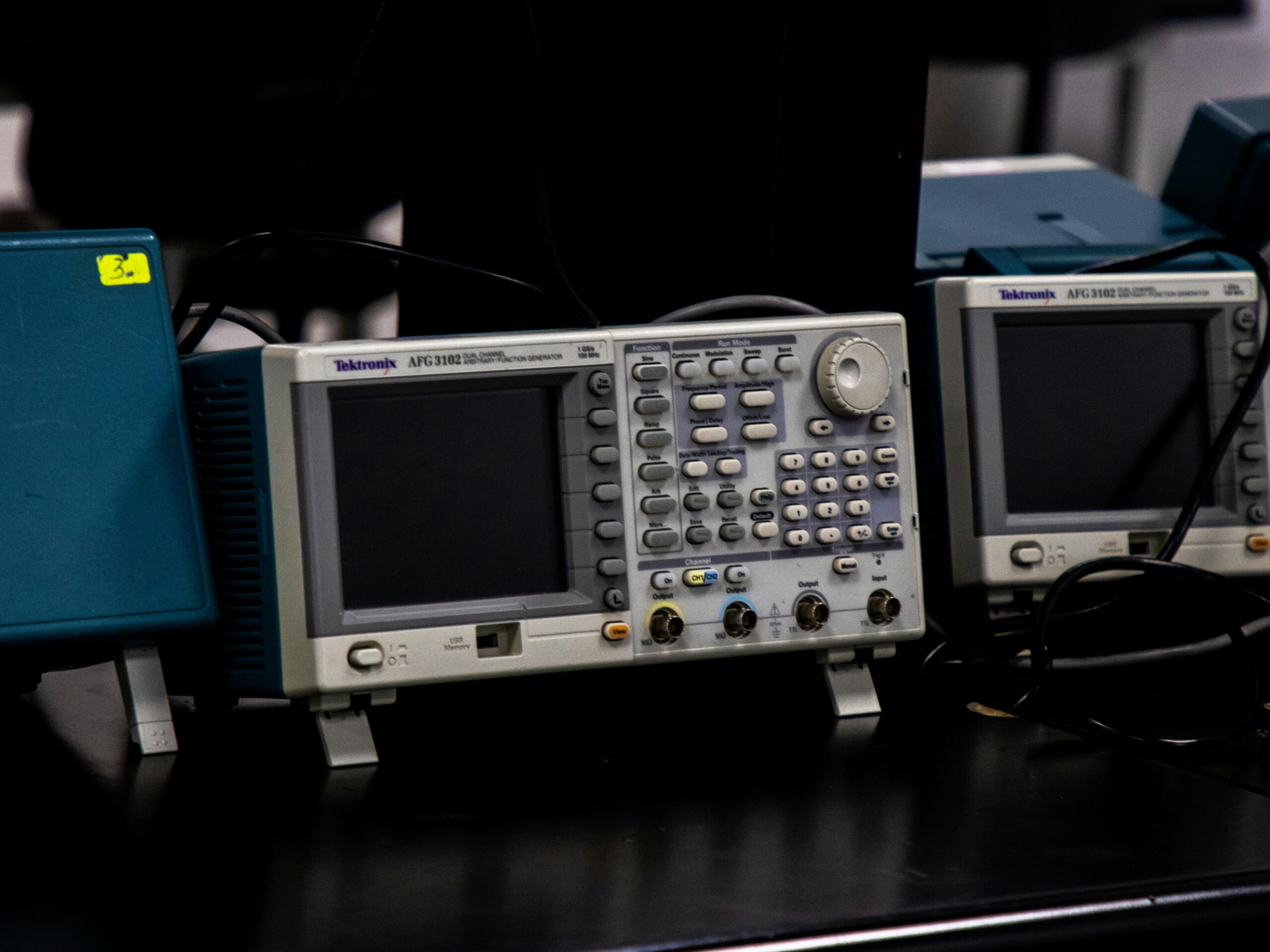
Precision in equipment operation isn’t just about accuracy—it’s about understanding and controlling the sensitivity thresholds that determine peak performance across industries.

In today’s competitive manufacturing, healthcare, and technology sectors, the difference between exceptional results and costly failures often comes down to how well operators understand and manage equipment sensitivity thresholds. These invisible boundaries define the points at which instruments detect changes, respond to inputs, and deliver consistent outputs. Whether you’re calibrating medical diagnostic equipment, fine-tuning industrial machinery, or optimizing laboratory instruments, mastering sensitivity thresholds transforms good operations into excellent ones.
The challenge most professionals face isn’t recognizing that sensitivity matters—it’s knowing how to systematically identify, adjust, and maintain optimal threshold settings for their specific applications. This comprehensive guide explores the science, methodology, and practical strategies for unlocking the full potential of your equipment through precision threshold management.
🎯 Understanding Equipment Sensitivity Thresholds: The Foundation of Precision
Equipment sensitivity thresholds represent the minimum level of input signal or stimulus required to trigger a measurable response from an instrument. Think of them as the dividing line between signal and noise, between detection and oversight. In analytical chemistry, this might be the lowest concentration of a substance a spectrometer can reliably detect. In industrial automation, it could be the minimum pressure change that activates a safety valve.
These thresholds exist across virtually every type of precision equipment, from simple mechanical devices to sophisticated electronic systems. Understanding them requires grasping three fundamental concepts: detection limits, response curves, and signal-to-noise ratios.
Detection limits define the absolute lower boundary of what equipment can sense. Below this threshold, signals become indistinguishable from background noise. Response curves illustrate how equipment output changes relative to input variations, revealing whether the relationship is linear, logarithmic, or follows another pattern. Signal-to-noise ratios quantify how much useful information stands out from random interference.
The Physics Behind Sensitivity Performance
Every sensor and detector operates according to physical principles that inherently limit its sensitivity. Photodetectors respond to photon energy levels, pressure transducers react to mechanical force, and chemical sensors detect molecular interactions. Each has built-in constraints based on material properties, electronic characteristics, and environmental factors.
Temperature fluctuations affect semiconductor sensitivity, humidity impacts electrical resistance measurements, and vibrations introduce mechanical noise. Understanding these physical realities helps professionals set realistic expectations and design appropriate threshold strategies for their specific environments.
⚙️ Identifying Optimal Sensitivity Settings for Your Application
Determining the right sensitivity threshold isn’t a one-size-fits-all proposition. It requires careful analysis of your operational requirements, environmental conditions, and the consequences of both false positives and false negatives in your specific context.
Start by defining your critical detection requirements. What’s the smallest change in input that matters for your process? In quality control applications, this might be the minimum defect size that could compromise product integrity. In environmental monitoring, it could be the lowest pollutant concentration that poses health risks.
Balancing Sensitivity Against Selectivity
Higher sensitivity isn’t always better. Extremely sensitive equipment may detect insignificant variations, triggering unnecessary alarms or interventions. This phenomenon, known as over-sensitivity, wastes resources and creates operator fatigue as personnel respond to meaningless signals.
Conversely, insufficient sensitivity causes under-detection, where important changes go unnoticed until they escalate into serious problems. Finding the sweet spot requires systematic testing under representative conditions, documenting performance across the expected range of inputs.
Consider these factors when establishing optimal thresholds:
- The typical range of values encountered during normal operations
- The smallest change that requires action or attention
- The frequency and magnitude of background noise or interference
- The consequences of missing genuine signals versus responding to false ones
- Regulatory or industry standards that may mandate specific detection limits
- The equipment’s technical specifications and inherent limitations
🔬 Calibration Techniques for Threshold Accuracy
Proper calibration forms the cornerstone of reliable sensitivity threshold performance. Without regular, systematic calibration, even the most sophisticated equipment drifts from its optimal settings, compromising accuracy and repeatability.
Calibration involves comparing equipment readings against known reference standards and adjusting settings to minimize discrepancies. For sensitivity thresholds specifically, this means verifying that the equipment responds consistently at the defined detection limits and throughout its operational range.
Multi-Point Calibration Protocols
Simple two-point calibrations—checking zero and full-scale readings—provide basic verification but miss non-linear response characteristics. Multi-point calibration protocols test equipment at numerous values across its entire range, revealing performance curves and identifying regions where sensitivity may vary.
Implement calibration schedules based on manufacturer recommendations, regulatory requirements, and your operational experience. High-precision applications typically require more frequent calibration than routine measurements. Equipment operating in harsh environments needs more attention than instruments in controlled laboratory settings.
Document every calibration event meticulously, recording ambient conditions, reference standards used, adjustments made, and verification results. This creates an audit trail demonstrating compliance and provides data for identifying performance trends over time.
📊 Data Analysis Methods for Threshold Optimization
Modern equipment generates vast amounts of data that, when properly analyzed, reveals opportunities for sensitivity threshold refinement. Statistical process control techniques, trend analysis, and machine learning algorithms transform raw measurements into actionable insights.
Begin with baseline establishment. Collect extensive data during normal operations when equipment is freshly calibrated and performing optimally. Statistical analysis of this baseline data reveals the natural variation inherent in your processes, distinguishing genuine signals from random fluctuations.
Statistical Control Charts for Threshold Monitoring
Control charts visualize measurement data over time, with statistical control limits indicating when processes deviate from normal patterns. By plotting sensor readings and comparing them against established thresholds, operators quickly identify trends suggesting equipment drift, environmental changes, or process variations requiring attention.
Calculate key statistical parameters including mean values, standard deviations, and confidence intervals. These metrics quantify normal variability and help establish sensitivity thresholds that minimize both false alarms and missed detections.
| Analysis Method | Best Application | Key Advantage |
|---|---|---|
| Standard Deviation Analysis | Stable processes with consistent variation | Simple, widely understood statistical approach |
| Moving Average | Trending data with gradual changes | Smooths short-term fluctuations, reveals patterns |
| Exponential Smoothing | Dynamic processes with varying rates of change | Responsive to recent data while considering history |
| Multivariate Analysis | Complex systems with interdependent variables | Identifies relationships between multiple factors |
🛠️ Practical Adjustment Strategies for Different Equipment Types
The specific methods for adjusting sensitivity thresholds vary dramatically across equipment categories. What works for electronic sensors differs fundamentally from approaches for mechanical systems or optical instruments.
Electronic Sensor Optimization
Electronic sensors—including temperature probes, pressure transducers, and photodetectors—typically offer software-based threshold adjustment through control interfaces or programming parameters. Modern digital sensors often provide automatic gain control, noise filtering algorithms, and adaptive threshold capabilities.
When adjusting electronic sensor thresholds, make incremental changes and verify performance at each step. Sudden, large adjustments may push settings beyond stable operating ranges or introduce unexpected behaviors. Test across the full operational range after any threshold modification to ensure consistent performance.
Consider implementing hysteresis—different threshold values for rising versus falling signals—to prevent oscillating outputs when measurements hover near threshold boundaries. This technique significantly reduces false triggering in applications with marginal signal levels.
Mechanical System Sensitivity Tuning
Mechanical equipment sensitivity often depends on physical adjustments: spring tensions, lever positions, counterweight settings, or friction coefficients. These adjustments require careful mechanical skill and understanding of the underlying mechanisms.
Document the initial configuration before making any adjustments, including photographs and precise measurements. Mechanical changes can be difficult to reverse without this reference information. Make one adjustment at a time, testing thoroughly before proceeding to the next modification.
🌡️ Environmental Factors Affecting Threshold Performance
Equipment doesn’t operate in isolation—environmental conditions profoundly impact sensitivity threshold behavior. Temperature, humidity, vibration, electromagnetic interference, and atmospheric pressure all influence how equipment responds to inputs.
Temperature effects are particularly significant. Most electronic components exhibit temperature-dependent characteristics, with sensitivity typically increasing or decreasing predictably as temperature changes. Semiconductor sensors, for example, experience systematic shifts in threshold values across temperature ranges.
Compensating for environmental factors requires either controlling the environment or implementing correction algorithms. Climate-controlled enclosures maintain stable conditions for sensitive equipment, while temperature compensation circuits automatically adjust thresholds based on measured ambient conditions.
Electromagnetic Interference Mitigation
Electromagnetic noise from motors, power lines, radio transmitters, and switching circuits can overwhelm sensitive detection thresholds. Effective shielding, grounding practices, and filtering protect equipment from these interference sources.
Conduct electromagnetic compatibility assessments in your operating environment, identifying noise sources and their frequency spectra. This information guides selection of appropriate filtering strategies and shielding materials for your specific situation.
💡 Advanced Techniques for Threshold Performance Enhancement
Beyond basic calibration and adjustment, several advanced techniques push sensitivity threshold performance to new levels. These methods require more sophisticated equipment and expertise but deliver substantial improvements in critical applications.
Signal Averaging and Integration
When dealing with weak signals near detection limits, signal averaging techniques repeatedly measure the same input and compute average values. Random noise tends to cancel out through averaging, while genuine signals reinforce, effectively lowering detection thresholds without hardware modifications.
Integration methods accumulate signal over time, building up charge or count totals that eventually exceed threshold levels. This approach works excellently for detecting rare events or low-intensity phenomena that individual measurements might miss.
Adaptive Threshold Algorithms
Modern digital systems can implement adaptive thresholds that automatically adjust based on recent measurement history. These algorithms learn normal baseline conditions and dynamically modify sensitivity to maintain consistent detection rates despite changing backgrounds.
Machine learning approaches take adaptation further, using neural networks or other AI techniques to optimize thresholds based on complex patterns in multi-dimensional data. These systems improve continuously through experience, identifying subtleties that manual optimization would miss.
🔍 Troubleshooting Sensitivity Threshold Problems
Even well-maintained equipment occasionally exhibits threshold-related issues. Systematic troubleshooting methodologies help identify and resolve these problems efficiently.
Start with the most common causes: calibration drift, environmental changes, contamination, or component aging. Verify basic functionality by testing with known reference inputs spanning the operational range. Compare current performance against historical baseline data to quantify any degradation.
Check environmental factors that may have changed since initial setup. Has nearby equipment been added or modified? Have HVAC settings, lighting, or other ambient conditions shifted? Sometimes the equipment is fine—the environment has changed.
Intermittent Threshold Issues
Intermittent problems prove particularly challenging because they don’t occur consistently during testing. These often relate to marginal connections, thermal cycling effects, or subtle environmental variations.
Extended monitoring with data logging captures transient events that occur during unmanned periods. Correlating threshold anomalies with other logged parameters—temperature, humidity, vibration, or power quality—often reveals causal relationships pointing toward solutions.
📈 Documenting and Maintaining Threshold Settings
Comprehensive documentation transforms threshold optimization from an art into a repeatable science. Detailed records enable consistent performance across shifts, equipment units, and time periods.
Create equipment-specific threshold profiles documenting optimal settings for each operational mode, process type, and environmental condition. Include the rationale behind threshold choices, referencing the data and analysis supporting each decision.
Maintenance schedules should incorporate regular threshold verification, not just general calibration. Brief functional checks between full calibrations catch drift early, preventing minor deviations from evolving into significant problems.
Training programs must emphasize threshold concepts, ensuring operators understand not just how to adjust settings but why specific values matter. This knowledge enables intelligent responses when unexpected situations arise.
🎓 Building Organizational Competency in Threshold Management
Individual expertise matters, but organizational capability ensures consistent performance regardless of personnel changes. Developing institutional knowledge about threshold optimization creates lasting competitive advantages.
Establish communities of practice where professionals share experiences, techniques, and solutions related to sensitivity threshold challenges. Cross-functional teams bring diverse perspectives—engineers, operators, quality specialists, and maintenance technicians each contribute unique insights.
Invest in ongoing education about emerging technologies and methodologies. The field of precision measurement continuously evolves, with new sensors, algorithms, and approaches regularly appearing. Staying current requires commitment to continuous learning.
Performance metrics focused on threshold management effectiveness provide objective feedback on improvement initiatives. Track indicators like false alarm rates, missed detection instances, calibration intervals, and measurement uncertainty. These metrics quantify the business impact of threshold optimization efforts.

🚀 Future Directions in Sensitivity Threshold Technology
The frontier of threshold technology continues advancing rapidly. Quantum sensors promise unprecedented sensitivity levels, detecting individual molecules or photons. Nanoscale devices operate at physical limits where traditional concepts of thresholds merge with quantum uncertainty principles.
Artificial intelligence integration enables equipment that learns optimal thresholds autonomously, adapting to changing conditions without human intervention. These systems will predict maintenance needs, optimize performance proactively, and coordinate across networks of interconnected instruments.
Wireless sensor networks with distributed intelligence will implement collaborative threshold strategies, where multiple devices collectively determine detection decisions. This approach dramatically improves reliability and extends capabilities beyond individual instrument limitations.
The convergence of precision equipment with Internet of Things technologies creates opportunities for cloud-based threshold optimization services, where advanced analytics and machine learning resources unavailable locally enhance performance remotely.
Mastering equipment sensitivity thresholds remains a journey rather than a destination. As technology evolves and applications become more demanding, the principles of systematic optimization, rigorous documentation, and continuous improvement provide enduring value. Organizations that invest in developing threshold management expertise position themselves for sustained competitive advantage through superior measurement quality, reduced waste, enhanced safety, and operational excellence that comes from truly understanding and controlling the precision tools essential to modern industry. The power unlocked through this mastery transforms technical capability into strategic business value, making the difference between adequate performance and exceptional results that define industry leadership.