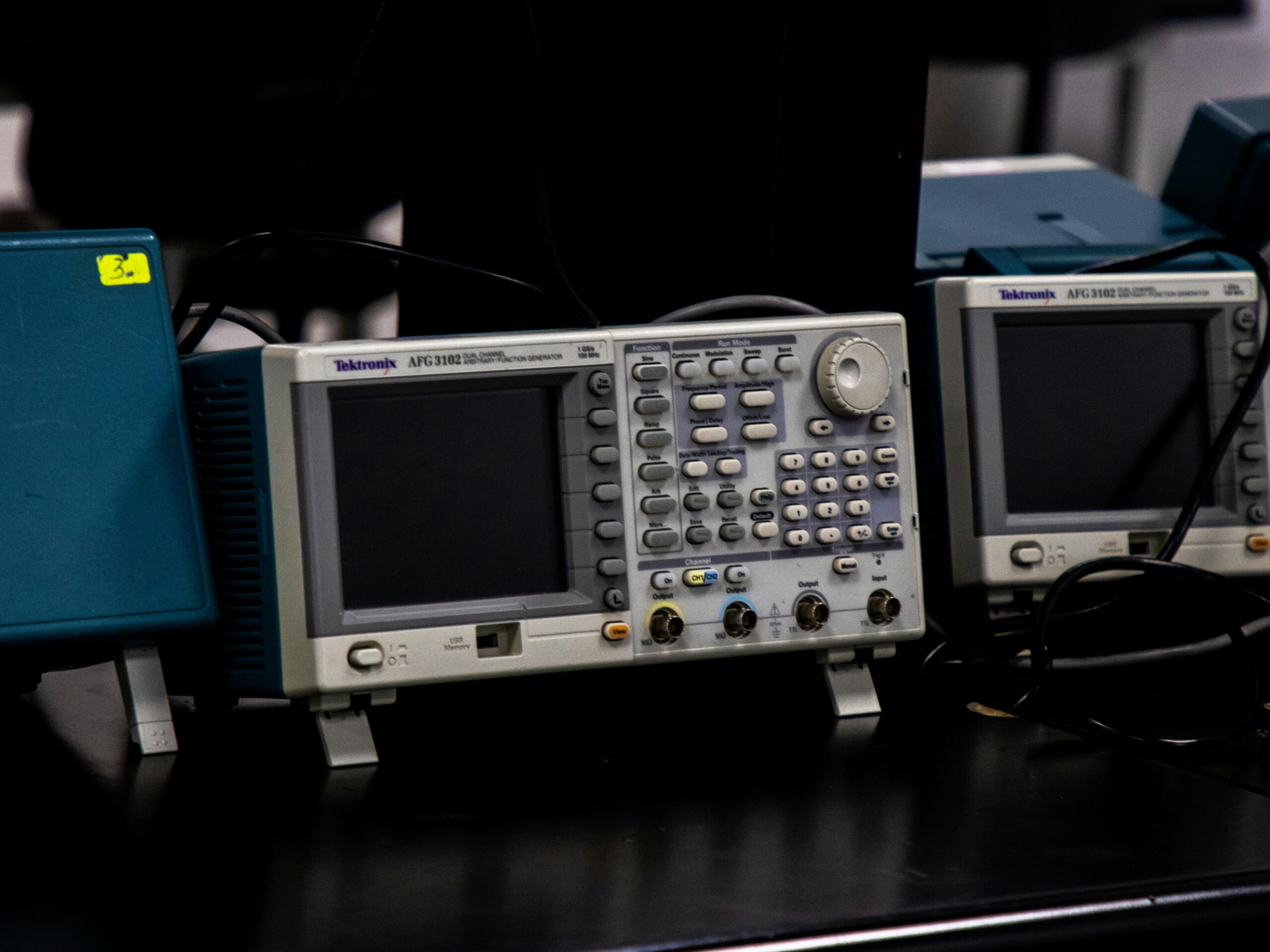
Advanced technology promises a smarter future, yet its cost remains a formidable barrier for individuals, businesses, and communities worldwide seeking to participate in digital transformation.

🌍 The Price of Progress: Understanding the Technology Divide
The digital revolution has fundamentally transformed how we live, work, and interact with the world around us. From artificial intelligence and machine learning to cloud computing and the Internet of Things, advanced technologies are reshaping every aspect of modern life. However, a significant challenge persists: the prohibitive costs associated with accessing these innovations continue to exclude large segments of the global population from participating in this technological renaissance.
This economic barrier creates a widening gap between those who can afford to leverage cutting-edge technology and those who cannot. The consequences extend far beyond individual inconvenience, affecting educational opportunities, economic mobility, healthcare access, and overall quality of life. As we stand on the threshold of an increasingly digital future, addressing these cost challenges becomes not just a matter of fairness but an essential requirement for sustainable global development.
The financial obstacles to technology adoption manifest in various forms: expensive hardware and devices, costly software licenses and subscriptions, limited infrastructure in underserved areas, and the hidden expenses of training and maintenance. Each of these factors compounds the others, creating a complex web of economic barriers that can seem insurmountable to individuals and organizations operating with limited resources.
💰 Deconstructing the Cost Structure of Modern Technology
Understanding where technology costs originate is crucial for developing effective strategies to reduce them. The price we pay for advanced technology encompasses multiple components, each contributing to the overall financial burden that users face when attempting to access modern digital solutions.
Hardware Acquisition and Maintenance
The most visible cost associated with technology adoption is hardware acquisition. Smartphones, computers, tablets, and specialized equipment represent significant upfront investments. For emerging markets and lower-income populations, even entry-level devices can consume a substantial portion of household or organizational budgets. The situation becomes more challenging when considering that technology evolves rapidly, often requiring upgrades or replacements within just a few years.
Beyond initial purchase prices, maintenance costs add another layer of financial pressure. Repairs, replacements, and upgrades can quickly accumulate, creating ongoing expenses that weren’t necessarily anticipated during the initial investment decision. This is particularly problematic in regions where technical support infrastructure is limited, forcing users to pay premium prices for basic maintenance services.
Software Licensing and Subscription Models
The shift from one-time software purchases to subscription-based models has fundamentally altered the economics of technology access. While subscription services can reduce initial barriers by eliminating large upfront payments, they create perpetual financial obligations that can become burdensome over time. Enterprise software, productivity suites, creative tools, and even basic applications increasingly operate on this model, transforming what was once a capital expense into an ongoing operational cost.
For businesses and educational institutions, software licensing expenses can quickly spiral. Multiplying per-user fees across entire organizations results in substantial annual expenditures that may exceed budget capabilities, particularly for smaller entities or those in developing regions where currency valuations compound the problem.
Connectivity and Infrastructure Costs
Advanced technology requires robust internet connectivity, yet broadband access remains expensive or entirely unavailable in many parts of the world. Even in developed nations, rural and remote areas often face limited options and inflated prices for reliable high-speed internet. This connectivity gap represents a fundamental barrier to accessing cloud-based services, remote work opportunities, online education, and telemedicine—all technologies that have become increasingly essential in our modern world.
Infrastructure costs extend beyond individual connectivity to include the broader ecosystem of data centers, network equipment, and supporting technologies that make advanced services possible. While users may not directly pay these costs, they’re ultimately reflected in service pricing and accessibility limitations.
🚀 Innovative Solutions Emerging to Bridge the Affordability Gap
Despite these challenges, numerous innovative approaches are emerging to make advanced technology more accessible and affordable. These solutions range from technological innovations to new business models and policy initiatives, each contributing to breaking down the cost barriers that have historically limited technology access.
Open Source Revolution and Community-Driven Development
The open source movement has fundamentally challenged traditional software economics by creating powerful, free alternatives to expensive proprietary solutions. Operating systems like Linux, productivity suites like LibreOffice, and development tools like Python and Node.js demonstrate that world-class software can be developed collaboratively without traditional licensing fees.
This community-driven approach extends beyond software to include open hardware initiatives, where device designs are shared freely, enabling local manufacturing and reducing dependence on expensive imported technology. Projects like Raspberry Pi have shown how affordable computing platforms can democratize access to programming education and digital innovation.
The open source philosophy also promotes knowledge sharing and skill development, creating ecosystems where users become contributors, further reducing costs through collective problem-solving and innovation. This collaborative model represents a fundamentally different economic approach to technology development and distribution.
Cloud Computing and As-a-Service Models
Cloud computing has revolutionized technology economics by transforming expensive capital investments into flexible operational expenses. Rather than purchasing and maintaining costly servers and infrastructure, organizations can now access computing resources on-demand, paying only for what they use. This shift dramatically lowers barriers to entry for startups, small businesses, and organizations in resource-constrained environments.
The as-a-service model extends beyond basic computing to include Software as a Service (SaaS), Platform as a Service (PaaS), and Infrastructure as a Service (IaaS). These approaches eliminate many traditional technology costs while providing access to enterprise-grade capabilities that would otherwise be financially out of reach.
For individual users and small organizations, cloud services mean access to sophisticated tools without significant upfront investment. Storage, collaboration platforms, advanced analytics, and even artificial intelligence capabilities become accessible through affordable subscription tiers or free service levels.
Refurbished and Reconditioned Technology Markets
The growing market for refurbished technology offers another pathway to affordability. Previously owned devices that have been professionally restored and certified provide substantial cost savings while delivering performance adequate for most users’ needs. This approach not only makes technology more accessible but also addresses environmental concerns by extending device lifecycles and reducing electronic waste.
Major manufacturers and retailers are increasingly embracing certified refurbishment programs, offering warranties and quality guarantees that provide confidence to budget-conscious buyers. This legitimization of the secondary technology market creates opportunities for individuals and organizations to access advanced devices at significantly reduced prices.
📱 Mobile Technology as the Great Equalizer
Mobile devices have emerged as perhaps the most significant force in democratizing technology access worldwide. Smartphones combine computing power, internet connectivity, and access to millions of applications in devices that are increasingly affordable and ubiquitous. In many developing regions, mobile phones represent the primary or exclusive means of accessing digital services, leapfrogging traditional computer-based technology adoption patterns.
The economics of mobile technology favor accessibility in several ways. Intense competition among manufacturers drives prices downward while capabilities continue to improve. Prepaid service models eliminate credit requirements and long-term contracts. And the vast ecosystem of mobile applications includes countless free or low-cost options that deliver substantial value to users.
Mobile-first design approaches increasingly characterize technology development, recognizing that for billions of users worldwide, smartphones are the primary computing platform. This shift influences everything from banking and commerce to education and healthcare delivery, creating services specifically optimized for mobile access.
🎓 Education and Skill Development: Investing in Human Capital
Technology costs extend beyond devices and software to include the knowledge and skills required to use them effectively. Digital literacy and technical expertise represent crucial investments that influence how successfully individuals and organizations can leverage technology. Without adequate training and education, even free or affordable technology delivers limited value.
Addressing this challenge requires accessible education pathways that don’t carry prohibitive costs. Massive Open Online Courses (MOOCs) have emerged as powerful tools for democratizing technical education, offering world-class instruction from leading universities and technology companies at minimal or no cost. Platforms providing free coding education, digital marketing training, and technology certification preparation make skill development accessible regardless of economic circumstances.
Community technology centers, library programs, and non-profit initiatives also play crucial roles in providing free or low-cost training and support. These local resources often prove particularly valuable for populations that face additional barriers to technology adoption, including elderly individuals, immigrant communities, and those with limited prior digital experience.
🏛️ Policy Interventions and Public Investment
Government policies and public investment programs represent powerful tools for addressing technology affordability challenges. Recognizing that digital access has become essential infrastructure—comparable to roads, electricity, and water—many governments are implementing initiatives to reduce costs and expand availability.
Broadband subsidies and universal service programs aim to extend connectivity to underserved areas where market forces alone fail to provide affordable access. These interventions can take various forms, including direct subsidies to service providers, requirements for carriers to serve rural areas, or public investment in infrastructure that private companies can lease.
Device subsidy programs targeting students, low-income families, and small businesses help overcome hardware affordability barriers. Educational institutions increasingly recognize technology access as essential for academic success, implementing laptop programs and providing devices to students who couldn’t otherwise afford them.
Tax incentives and regulatory frameworks can encourage technology companies to develop affordable products and services specifically designed for price-sensitive markets. These policies recognize that serving lower-income populations requires different approaches than premium market segments, and that appropriate incentives can make these segments economically attractive to technology providers.
🤝 Collaborative Consumption and Sharing Economy Models
Sharing economy principles applied to technology access offer another approach to reducing individual cost burdens. Co-working spaces provide access to premium technology infrastructure—high-speed internet, professional equipment, software licenses—at affordable rates by distributing costs across multiple users. This model proves particularly valuable for freelancers, startups, and small businesses that need occasional access to specialized technology without bearing full ownership costs.
Equipment lending libraries and technology rental services enable temporary access to devices for specific projects or needs, eliminating the requirement for permanent ownership. This approach acknowledges that many technology needs are intermittent rather than continuous, making sharing more economically efficient than individual ownership.
Collaborative purchasing models, where communities or organizations pool resources to negotiate bulk pricing discounts, leverage collective buying power to reduce individual costs. These arrangements can apply to software licenses, hardware purchases, connectivity services, and training programs.
🔮 Emerging Technologies and Future Cost Trajectories
Looking forward, several technological trends promise to further reduce barriers to advanced technology access. Artificial intelligence and machine learning capabilities are increasingly being embedded into affordable devices and offered through accessible cloud services, democratizing access to capabilities that once required expensive specialized systems.
Edge computing architectures reduce dependence on expensive centralized infrastructure and high-bandwidth connectivity by processing data locally on relatively inexpensive devices. This approach enables sophisticated applications even in environments with limited internet access, potentially transforming technology economics in developing regions.
Continued improvements in manufacturing efficiency, component miniaturization, and production scale economies suggest that hardware costs will continue their long-term downward trajectory. Each generation of devices typically offers more capability at lower prices, gradually making advanced features accessible to broader populations.
Alternative connectivity technologies, including satellite internet constellations, mesh networking, and next-generation cellular systems, promise to expand broadband access to previously unserved areas while potentially reducing costs through increased competition and improved efficiency.

💡 Building an Inclusive Technological Future
Creating a truly smart future requires ensuring that advanced technology becomes accessible to everyone, not just privileged populations. This transformation demands coordinated efforts across multiple fronts: continued innovation to reduce technology costs, policy interventions to address market failures and ensure equitable access, educational initiatives to develop necessary skills, and business model innovations that recognize diverse economic realities.
The benefits of widespread technology access extend far beyond individual convenience. Economic development, educational advancement, healthcare improvement, environmental sustainability, and social connectivity all depend increasingly on digital participation. Excluding significant portions of the global population from this technological revolution perpetuates and potentially exacerbates existing inequalities while limiting the collective innovation and economic growth that full participation would enable.
Success in breaking down cost barriers requires recognizing that affordability is relative and contextual. Solutions effective in developed markets may not translate directly to developing regions. Urban strategies may fail in rural contexts. What works for younger, digitally native populations may not serve elderly individuals. Truly inclusive approaches must embrace this diversity, creating multiple pathways to access that accommodate different circumstances, needs, and capabilities.
The momentum toward greater technology accessibility continues building as more stakeholders recognize both the moral imperative and practical benefits of digital inclusion. Technology companies increasingly view underserved markets not as charitable causes but as significant business opportunities. Governments better understand digital access as essential infrastructure rather than luxury. Communities and organizations develop innovative local solutions addressing specific barriers their members face.
As we advance toward an increasingly technology-dependent future, the question is not whether digital systems will shape our world—they already do—but whether that shaping will be inclusive or exclusive. Breaking down cost barriers represents a crucial step toward ensuring that the smarter future we’re building is one that welcomes and serves all humanity, not just those fortunate enough to afford expensive admission tickets to the digital age. The challenges are significant, but the solutions are emerging, and the potential rewards—measured in human flourishing, economic development, and collective progress—make the effort not just worthwhile but essential.