
Energy efficiency isn’t just a buzzword—it’s the cornerstone of sustainable development and our collective fight against climate change in the 21st century.

As global temperatures rise and natural resources deplete at alarming rates, the urgency to optimize how we consume energy has never been more critical. Yet, despite widespread awareness and technological advances, numerous barriers continue to impede our progress toward a greener, smarter future. Understanding these obstacles and strategizing effective solutions is essential for businesses, governments, and individuals committed to environmental stewardship.
The journey toward comprehensive energy efficiency involves navigating complex challenges that span economic, technological, behavioral, and policy-related domains. From outdated infrastructure to resistance to change, these barriers create significant roadblocks that require innovative thinking and collaborative action to overcome.
🌍 Understanding the Energy Efficiency Landscape
Energy efficiency represents the practice of using less energy to perform the same task, eliminating energy waste in the process. This concept extends beyond simple conservation—it encompasses smart technology integration, behavioral modifications, and systemic transformations across industries and households.
The potential impact of widespread energy efficiency adoption is staggering. According to the International Energy Agency, improving energy efficiency could deliver more than 40% of the emissions reductions needed to meet global climate targets. However, realizing this potential requires dismantling the multifaceted barriers that currently stand in our way.
Modern energy systems face unprecedented pressure from growing populations, expanding economies, and increasing digitalization. These demands create a paradox: we need more energy to fuel development while simultaneously reducing our environmental footprint. Energy efficiency offers the most pragmatic solution to this dilemma, but only if we can successfully navigate the challenges ahead.
💰 Economic and Financial Barriers That Hold Us Back
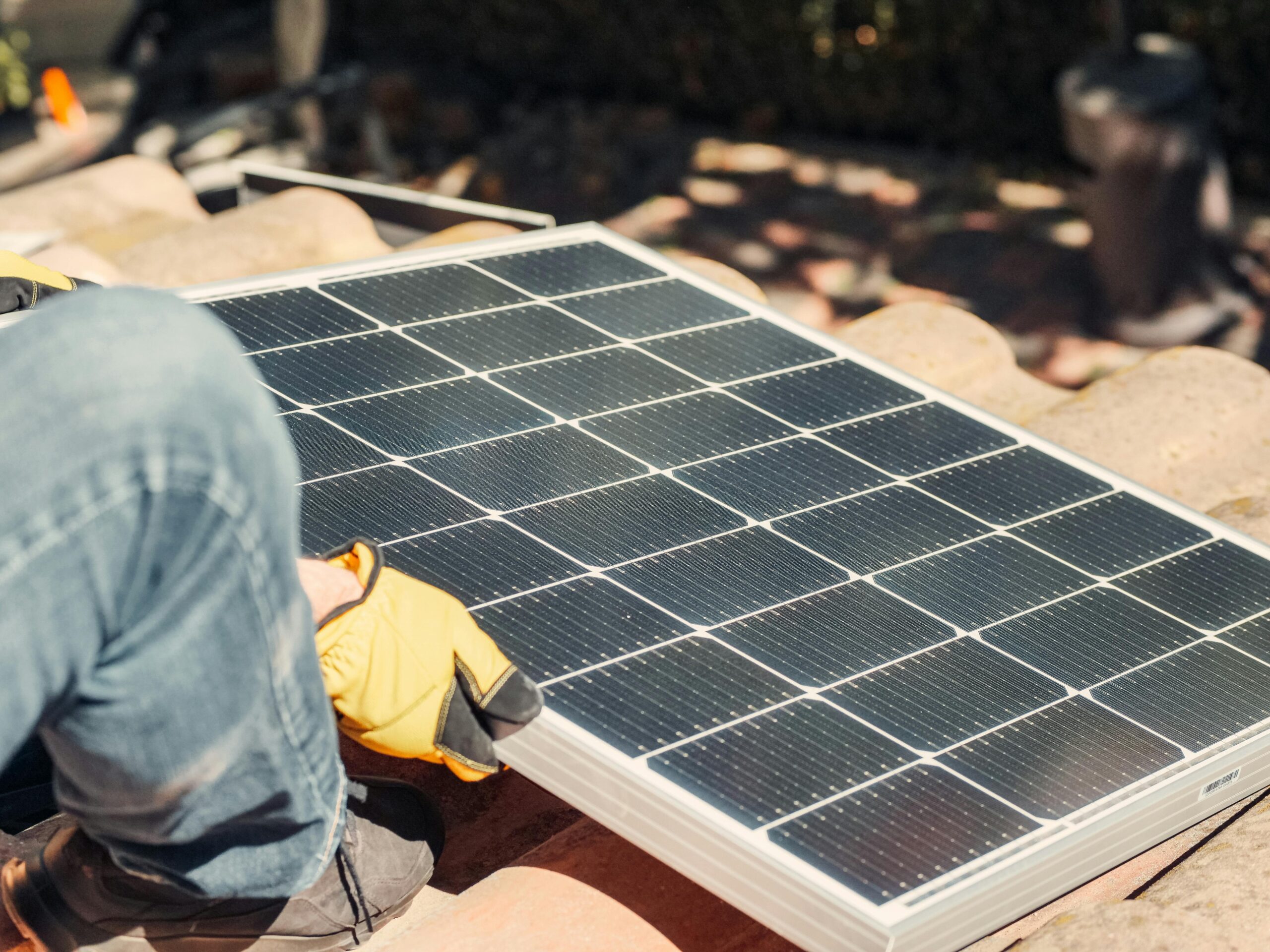
One of the most significant obstacles to energy efficiency adoption remains the upfront cost. Whether it’s upgrading to LED lighting systems, installing solar panels, or retrofitting buildings with smart thermostats, the initial investment can be substantial. For small businesses and low-income households, these costs often prove prohibitive, creating an unfortunate cycle where those who would benefit most from reduced energy bills cannot afford the initial outlay.
The “split incentive” problem further complicates matters in rental properties and commercial buildings. Landlords who pay for building upgrades don’t receive the utility bill savings, while tenants who benefit from lower bills have no authority to make improvements. This misalignment of costs and benefits creates a deadlock that prevents energy-efficient upgrades.
Innovative Financing Solutions Emerging
Fortunately, creative financing mechanisms are beginning to address these economic barriers. Energy Service Companies (ESCOs) offer performance-based contracts where they implement efficiency improvements and are paid from the resulting energy savings. Property Assessed Clean Energy (PACE) programs allow property owners to finance energy upgrades through property tax assessments, spreading costs over extended periods.
Green banks and specialized lending institutions now offer preferential rates for energy efficiency projects, recognizing their long-term value and reduced risk profiles. These financial innovations are gradually democratizing access to energy-efficient technologies, making them accessible to broader demographics.
🔧 Technological Challenges and Integration Complexity
While cutting-edge energy-efficient technologies exist, their implementation often encounters significant technical hurdles. Legacy infrastructure in older buildings and industrial facilities wasn’t designed to accommodate modern energy management systems. Retrofitting these structures requires specialized expertise and can involve extensive modifications that disrupt operations.
The rapid pace of technological advancement also creates uncertainty. Business decision-makers often hesitate to invest in current technologies, fearing they’ll become obsolete before delivering adequate return on investment. This “waiting for the next breakthrough” mentality paradoxically delays adoption and perpetuates inefficiency.
Interoperability and Smart Grid Integration
As buildings and homes become smarter, the challenge of interoperability grows more complex. Different manufacturers use proprietary systems that don’t communicate effectively with each other. A smart thermostat from one company might not integrate seamlessly with lighting systems from another, creating fragmented efficiency solutions rather than comprehensive energy management ecosystems.
The transition to smart grids—electrical networks that use digital technology to monitor and manage electricity transport—requires massive infrastructure investments and coordination across multiple stakeholders. Utilities, technology providers, regulators, and consumers must align their efforts, a coordination challenge that has slowed progress in many regions.
👥 The Human Factor: Behavioral and Cultural Barriers
Technology alone cannot solve the energy efficiency challenge. Human behavior plays an equally critical role, yet changing ingrained habits proves remarkably difficult. The “rebound effect” illustrates this perfectly: when people install energy-efficient appliances, they often use them more frequently, partially or completely negating the efficiency gains.
Energy consumption remains largely invisible to most people. Unlike filling a gas tank or grocery shopping, where costs are immediately apparent, energy usage happens quietly in the background. This invisibility makes it difficult for individuals to understand their consumption patterns and make informed decisions about reducing waste.
Cultural Attitudes Toward Conservation
In some cultures, energy consumption has become associated with prosperity and comfort. Large homes, powerful vehicles, and constant climate control represent success and achievement. Shifting these cultural narratives to celebrate efficiency and sustainability rather than consumption requires sustained education and communication efforts.
Generational differences also influence energy attitudes. While younger generations generally show greater environmental consciousness, they often lack the purchasing power to make significant efficiency investments. Meanwhile, older property owners with financial resources may feel less urgency about changes whose primary benefits will accrue decades in the future.
📋 Policy and Regulatory Obstacles
Government policies significantly influence energy efficiency adoption, yet regulatory frameworks often lag behind technological capabilities. Building codes in many jurisdictions still don’t require modern efficiency standards, allowing new construction that will remain energy-wasteful for decades.
Utility rate structures frequently discourage efficiency improvements. Traditional models where utilities profit from selling more electricity create perverse incentives against conservation. Although some regions have implemented decoupling mechanisms that separate utility profits from sales volume, many areas maintain outdated regulatory structures.
The Challenge of International Coordination
Energy efficiency standards vary dramatically across countries and regions, complicating matters for international manufacturers and multinational corporations. A product designed to meet European efficiency standards might not satisfy requirements in North America or Asia, requiring costly modifications and testing for different markets.
Developing nations face particularly acute policy challenges. With pressing needs for economic development and poverty alleviation, environmental concerns often take secondary priority. International support mechanisms exist, but scaling them sufficiently to address global needs remains an ongoing challenge.
🎯 Strategic Solutions for Breaking Through Barriers
Overcoming these multifaceted challenges requires equally comprehensive solutions that address economic, technical, behavioral, and policy dimensions simultaneously. Integrated approaches that recognize the interconnected nature of these barriers prove most effective.
Education and Awareness Campaigns
Knowledge remains power in the energy efficiency equation. Comprehensive public education initiatives that make energy consumption visible and understandable can drive behavioral change. Smart meters that provide real-time feedback, mobile applications that track usage patterns, and community-based learning programs all contribute to building energy literacy.
Schools represent particularly strategic intervention points. Curricula that incorporate energy efficiency principles help shape attitudes in formative years, creating generations of environmentally conscious consumers and decision-makers. Hands-on projects that demonstrate efficiency benefits make abstract concepts tangible and memorable.
Public-Private Partnerships
Collaboration between government entities and private sector innovators can accelerate efficiency adoption while sharing risks and resources. Governments bring regulatory authority, public financing, and coordination capabilities, while private companies contribute technological innovation, implementation expertise, and market efficiency.
Successful partnership models include government-backed loan guarantee programs that reduce financial risk for private lenders, joint research and development initiatives that share the costs of innovation, and public procurement programs that create reliable markets for efficiency technologies.
💡 Technology as an Enabler of Change
Artificial intelligence and machine learning are revolutionizing energy management. Advanced algorithms can analyze consumption patterns, predict needs, and automatically optimize systems in ways impossible for human managers. These technologies continuously learn and improve, delivering ever-greater efficiency gains over time.
Internet of Things (IoT) devices enable unprecedented visibility and control over energy systems. Smart sensors throughout buildings and industrial facilities provide granular data about where and when energy is used, identifying waste and opportunities for optimization. When integrated into comprehensive energy management platforms, these devices create truly intelligent environments that self-optimize for efficiency.
Blockchain and Distributed Energy Systems
Emerging blockchain technologies enable peer-to-peer energy trading, allowing prosumers (consumers who also produce energy) to sell excess renewable energy directly to neighbors. This decentralization creates more resilient and efficient energy systems while providing financial incentives for distributed generation.
Microgrids that can operate independently from centralized power networks improve resilience while enabling more efficient local energy management. Communities can optimize generation, storage, and consumption based on local conditions and needs, reducing transmission losses and improving reliability.
🏢 Industry-Specific Approaches and Success Stories
Different sectors face unique efficiency challenges requiring tailored solutions. The manufacturing industry, responsible for significant global energy consumption, has achieved remarkable gains through process optimization, waste heat recovery, and advanced automation. Leading companies now view energy efficiency not just as an environmental obligation but as a competitive advantage that reduces costs and improves profitability.
The transportation sector undergoes perhaps the most visible transformation, with electric vehicles rapidly gaining market share. However, efficiency improvements extend beyond electrification to include aerodynamic design optimization, lightweight materials, intelligent routing systems, and modal shifts toward more efficient transport methods.
Building Sector Innovations
Buildings account for approximately 40% of global energy consumption, making them critical targets for efficiency improvements. Net-zero energy buildings that produce as much energy as they consume demonstrate what’s possible with integrated design approaches combining passive strategies, high-performance envelopes, efficient systems, and renewable generation.
Retrofit programs targeting existing building stock offer enormous potential. Deep energy retrofits that comprehensively upgrade insulation, windows, HVAC systems, and lighting can reduce building energy consumption by 50% or more, transforming inefficient structures into high-performance assets.
🌱 Creating a Culture of Continuous Improvement
Achieving lasting energy efficiency gains requires embedding continuous improvement into organizational cultures and personal habits. One-time upgrades deliver initial benefits, but ongoing optimization through monitoring, analysis, and refinement unlocks even greater potential.
Energy management systems that track performance over time enable evidence-based decision-making. Organizations can identify trends, benchmark against industry standards, and set increasingly ambitious targets. Gamification strategies that make efficiency engaging and rewarding can motivate sustained behavior change among employees and building occupants.
The Role of Leadership and Champions
Successful energy efficiency programs invariably feature committed champions who drive change through organizations and communities. These leaders articulate compelling visions, secure resources, overcome resistance, and celebrate successes. Developing and empowering such champions multiplies the impact of efficiency initiatives.
Executive commitment remains particularly crucial in organizational settings. When leadership prioritizes efficiency, dedicates resources, and holds teams accountable for results, transformation accelerates dramatically. Conversely, without top-level support, even well-designed programs often languish.
🚀 The Path Forward: Building Momentum for Transformation
Breaking barriers to energy efficiency requires sustained commitment across society. No single solution or sector can achieve the necessary transformation alone. Success demands coordinated action from governments establishing supportive policies, businesses innovating and implementing solutions, communities fostering cultural change, and individuals making conscious choices.
The economic case for efficiency strengthens continuously as technologies mature, costs decline, and environmental pressures intensify. What once required subsidies and incentives increasingly makes financial sense on its own merits. This transition from obligation to opportunity marks a critical inflection point in the efficiency journey.
Climate urgency leaves no time for complacency. The barriers we face are significant but not insurmountable. Every efficiency improvement, whether a smart thermostat in a single home or comprehensive retrofit of an industrial facility, contributes to collective progress. These incremental advances accumulate into transformative change when multiplied across millions of buildings, businesses, and individuals.
🌟 Empowering Action at Every Level
Individual actions matter more than many people realize. Simple choices like adjusting thermostats, using energy-efficient appliances, reducing phantom loads, and advocating for efficiency policies create ripples that extend far beyond personal energy bills. When communities embrace efficiency collectively, these individual actions amplify into significant impact.
Businesses possess tremendous leverage to drive efficiency innovation. Corporate commitments to carbon neutrality and sustainability targets create massive markets for efficiency technologies and services, spurring innovation and driving costs down. Supply chain requirements that mandate efficiency standards propagate benefits throughout entire industries.
The transition to a greener, smarter, and more sustainable future isn’t merely necessary—it’s achievable and increasingly inevitable. Technology exists, financing mechanisms are evolving, policies are strengthening, and awareness is growing. The barriers that once seemed insurmountable are yielding to determined, coordinated effort.
Energy efficiency represents our most powerful tool for addressing climate change while simultaneously improving quality of life, reducing costs, and creating economic opportunities. By understanding the barriers we face and systematically dismantling them through innovation, collaboration, and commitment, we can build the sustainable future that coming generations deserve. The time for action is now, and every step forward counts.