
The global shift toward sustainable production is no longer optional—it’s imperative. As industries worldwide grapple with environmental challenges, embracing ecological sensitivity has become the cornerstone of future success.

🌍 The Urgent Call for Environmental Transformation
Manufacturing and production have historically been among the largest contributors to environmental degradation. From excessive carbon emissions to water pollution and resource depletion, traditional production methods have pushed our planet to its ecological limits. Today, we stand at a critical juncture where the choice between continuing business as usual and revolutionizing our approach will determine the fate of future generations.
The statistics paint a sobering picture: industrial activities account for approximately 21% of global greenhouse gas emissions, while manufacturing consumes nearly 54% of the world’s total energy supply. These figures underscore the massive environmental footprint of production processes and highlight the urgent need for transformation.
However, this challenge also presents an unprecedented opportunity. Companies that embrace environmental sensitivity early are discovering that sustainability and profitability are not mutually exclusive. Instead, they’re finding innovative ways to reduce costs, enhance brand reputation, and capture growing markets of environmentally conscious consumers.
Understanding Environmental Sensitivity in Modern Production
Environmental sensitivity in production refers to the conscious integration of ecological considerations into every stage of the manufacturing process. This approach extends far beyond mere compliance with environmental regulations—it represents a fundamental reimagining of how products are designed, created, distributed, and ultimately disposed of or recycled.
At its core, environmentally sensitive production embraces several key principles:
- Resource efficiency and waste minimization throughout the production cycle
- Adoption of renewable energy sources and clean technologies
- Implementation of circular economy principles that prioritize reuse and recycling
- Reduction of harmful emissions and pollutants at every production stage
- Consideration of environmental impact in supply chain decisions
- Transparent reporting and accountability for environmental performance
The Triple Bottom Line Advantage
Progressive companies are discovering that environmental sensitivity supports what’s known as the “triple bottom line”—balancing people, planet, and profit. This holistic approach recognizes that long-term business success depends on more than quarterly earnings; it requires maintaining healthy ecosystems, supporting communities, and building resilient operations that can withstand environmental and social pressures.
Research consistently demonstrates that companies with strong environmental, social, and governance (ESG) performance often outperform their peers financially. This correlation stems from multiple factors including improved operational efficiency, reduced regulatory risks, enhanced brand loyalty, and better access to capital from sustainability-focused investors.
🔄 Circular Economy: Redefining Production Models
One of the most transformative concepts reshaping modern production is the circular economy. Unlike the traditional linear model of “take-make-dispose,” circular economy principles design out waste and pollution, keep products and materials in use, and regenerate natural systems.
In practice, this means reimagining products from their inception with end-of-life considerations in mind. Materials are selected for durability, recyclability, and minimal environmental impact. Manufacturing processes are optimized to minimize waste, with byproducts from one process serving as inputs for another.
Real-World Circular Success Stories
Leading companies across industries are demonstrating the viability of circular production models. Fashion brands are designing clothing that can be fully disassembled and recycled. Electronics manufacturers are creating modular products that can be easily repaired and upgraded rather than replaced. Packaging companies are developing compostable materials that return nutrients to the soil rather than polluting landfills.
These innovations aren’t just environmentally beneficial—they’re economically advantageous. By recovering and reusing materials, companies reduce raw material costs and insulate themselves from supply chain volatility. By designing for longevity and repairability, they build stronger customer relationships and create new service-based revenue streams.
Clean Energy Integration in Manufacturing
Energy consumption represents one of the largest environmental impacts—and operational expenses—for most production facilities. Transitioning to renewable energy sources is therefore both an ecological imperative and a strategic business decision.
Solar, wind, and other renewable energy technologies have reached price parity or cost advantages over fossil fuels in many markets. Forward-thinking manufacturers are installing on-site renewable generation, entering power purchase agreements for clean energy, and investing in energy storage systems to maximize efficiency and grid independence.
⚡ Beyond Renewable Sourcing: Energy Efficiency
While transitioning to renewable energy is crucial, maximizing energy efficiency remains equally important. Smart manufacturing technologies, including Industrial Internet of Things (IIoT) sensors, artificial intelligence-driven optimization, and advanced automation, enable unprecedented levels of energy monitoring and control.
These technologies identify energy waste in real-time, optimize equipment operation based on production schedules, and predict maintenance needs before inefficiencies develop. The result is significant energy savings—often 20-30% or more—alongside improved production quality and reduced downtime.
Water Stewardship and Conservation Strategies
Water scarcity affects more than 40% of the global population, making water stewardship a critical component of sustainable production. Industries ranging from textiles to semiconductors to food processing rely heavily on water, creating both operational risks and environmental responsibilities.
Leading manufacturers are implementing comprehensive water management strategies that include:
- Advanced treatment systems that enable water recycling and reuse within facilities
- Process innovations that reduce water consumption without compromising quality
- Watershed protection initiatives that preserve water sources for communities and ecosystems
- Investment in water-efficient technologies and closed-loop systems
- Collaboration with suppliers to address water risks throughout the value chain
These efforts not only reduce environmental impact but also protect businesses from water-related operational disruptions and regulatory constraints that are becoming increasingly common in water-stressed regions.
🌱 Sustainable Material Selection and Sourcing
The environmental impact of production begins with material selection. Every raw material carries an embedded environmental footprint from its extraction, processing, and transportation. Making informed material choices represents one of the most impactful ways manufacturers can reduce their ecological footprint.
Sustainable material strategies include prioritizing recycled and recyclable materials, sourcing renewable materials from certified sustainable sources, eliminating toxic substances, and reducing material intensity through design optimization.
Supply Chain Transparency and Responsibility
Environmental sensitivity extends beyond factory walls to encompass entire supply chains. Companies are increasingly recognizing that their environmental reputation and actual impact are only as strong as their weakest supply chain link.
Progressive organizations are implementing rigorous supplier environmental standards, conducting audits to verify compliance, collaborating with suppliers to improve environmental performance, and building long-term partnerships that support continuous improvement. This approach not only reduces environmental impact but also strengthens supply chain resilience and quality.
Digital Technologies Enabling Green Production
Digital transformation and environmental sustainability are deeply interconnected. Advanced technologies are providing manufacturers with unprecedented capabilities to monitor, analyze, and optimize their environmental performance.
Artificial intelligence and machine learning algorithms can identify patterns and opportunities for resource optimization that would be impossible for humans to detect. Digital twins—virtual replicas of physical production systems—enable testing and optimizing processes without resource consumption or waste generation. Blockchain technology provides transparent tracking of materials and products throughout their lifecycle, supporting circular economy models and combating greenwashing.
📊 Data-Driven Sustainability Decisions
The ability to measure and track environmental metrics in real-time fundamentally changes how companies approach sustainability. Rather than relying on periodic assessments or estimates, manufacturers can now monitor energy consumption, emissions, water usage, and waste generation continuously.
This granular data enables precise identification of inefficiencies, rapid testing of improvement initiatives, and accurate reporting to stakeholders. It transforms environmental management from a compliance burden into a source of competitive advantage through operational excellence.
Regulatory Landscape and Compliance Innovation
Environmental regulations are growing more stringent worldwide, reflecting increasing governmental commitment to addressing climate change and ecological degradation. While compliance requirements can seem burdensome, they also drive innovation and level the competitive playing field.
Forward-thinking companies view environmental regulations not as obstacles but as opportunities to innovate, differentiate, and prepare for future market conditions. By exceeding current requirements and anticipating future standards, they avoid the disruption and expense of reactive compliance while positioning themselves as industry leaders.
Extended producer responsibility regulations, which hold manufacturers accountable for products throughout their lifecycle, are becoming increasingly common. Carbon pricing mechanisms, whether through taxes or cap-and-trade systems, are expanding globally. Disclosure requirements around environmental performance are growing more detailed and standardized.
💼 The Business Case for Environmental Production
Beyond moral imperatives and regulatory compliance, environmental sensitivity in production delivers tangible business benefits. Cost savings from resource efficiency and waste reduction often provide quick payback on sustainability investments. Enhanced brand reputation attracts customers, employees, and investors who prioritize environmental responsibility.
Access to capital is increasingly influenced by environmental performance, as investors recognize climate risk as financial risk. Companies with strong sustainability profiles often enjoy lower costs of capital and better access to funding. Innovation driven by environmental constraints frequently leads to better products, new markets, and competitive advantages.
Risk Mitigation Through Sustainability
Environmental sensitivity also serves as crucial risk management. Climate change creates physical risks to facilities, supply chains, and markets. Resource scarcity threatens operational continuity. Environmental incidents can trigger legal liabilities, regulatory penalties, and reputation damage that devastates brand value.
By building environmental resilience into production systems, companies protect themselves against these growing risks while positioning themselves to thrive as markets increasingly reward sustainability.
Workforce Engagement and Culture Change
Technology and strategy alone cannot revolutionize production—people must drive the transformation. Successful environmental initiatives require engaged employees who understand sustainability goals, feel empowered to contribute ideas, and see their work connected to meaningful purpose.
Leading organizations cultivate sustainability-focused cultures through comprehensive training programs, recognition systems that reward environmental contributions, transparent communication about environmental performance and goals, and inclusive processes that welcome employee input on sustainability initiatives.
This cultural shift not only improves environmental outcomes but also enhances employee satisfaction, retention, and productivity. Workers increasingly seek employers whose values align with their own, and environmental responsibility ranks high among employee priorities, particularly for younger generations.
🚀 Future Horizons: Emerging Technologies and Approaches
The revolution in environmentally sensitive production continues accelerating as new technologies and approaches emerge. Biotechnology offers possibilities for growing materials rather than extracting them, producing substances through fermentation rather than chemical synthesis, and creating self-healing or biodegradable products.
Advanced materials science is developing alternatives to problematic substances, creating ultra-efficient insulation and energy storage materials, and enabling dramatically lighter products that reduce transportation emissions. Additive manufacturing (3D printing) promises production that generates minimal waste while enabling unprecedented customization and localization.
Hydrogen and other clean fuels are emerging as viable alternatives for high-temperature industrial processes that are difficult to electrify. Carbon capture and utilization technologies may transform CO2 from waste to resource, converting it into useful products.
Collaborative Action for Systemic Change
While individual company actions are essential, the scale of environmental challenges requires collaborative approaches. Industry consortia are developing shared standards, pooling research and development resources, and creating industry-wide solutions to common challenges.
Public-private partnerships are accelerating infrastructure development for circular economy systems, renewable energy deployment, and clean technology commercialization. Cross-sector collaboration brings together complementary capabilities and perspectives to solve complex problems.
These collaborative approaches recognize that environmental challenges transcend individual companies and competitive boundaries. By working together, industries can achieve transformations that would be impossible for individual actors.
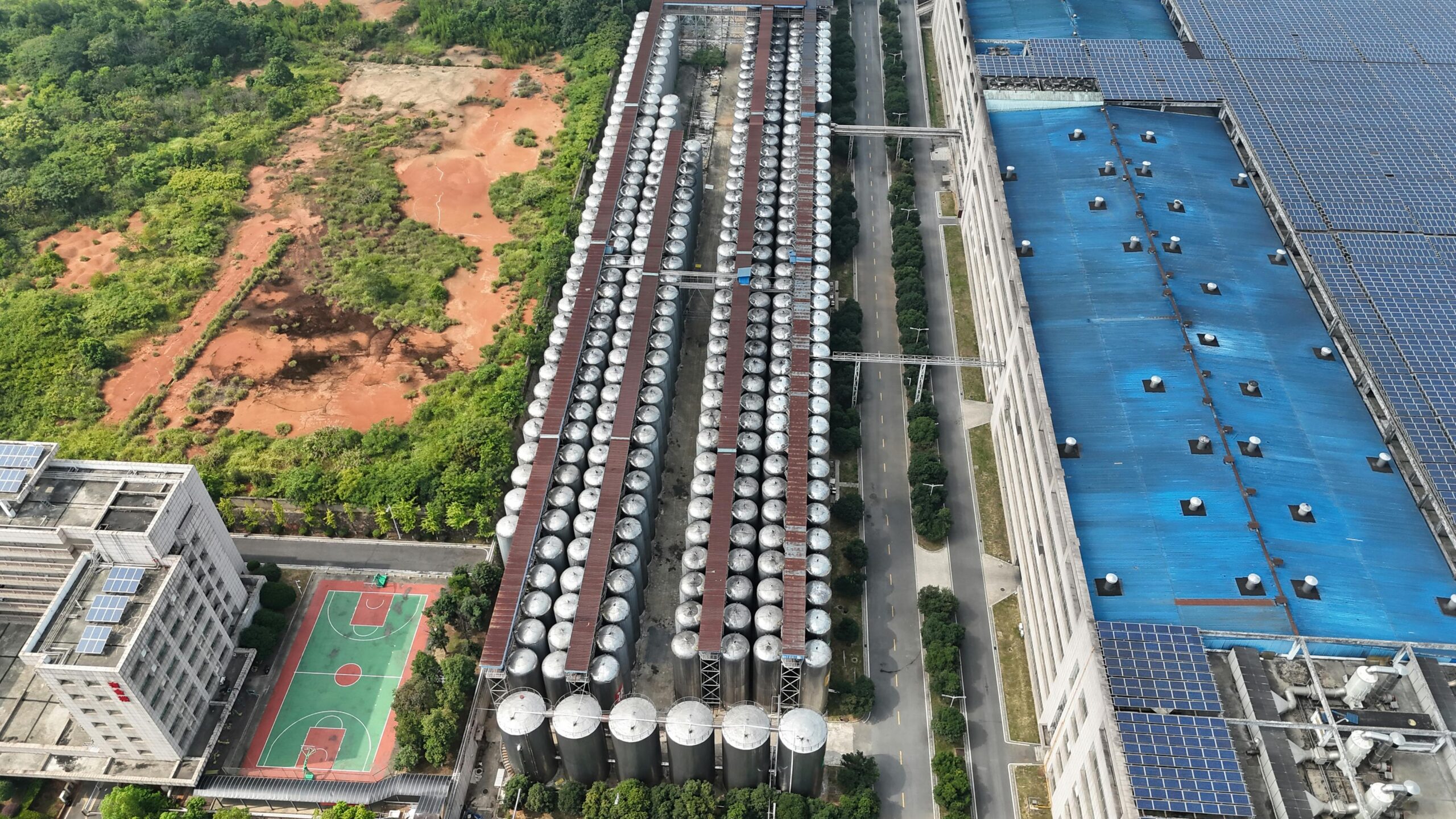
🌟 Charting the Path Forward
Revolutionizing production through environmental sensitivity represents one of the defining challenges and opportunities of our era. The transition will require sustained commitment, significant investment, and willingness to fundamentally rethink traditional approaches. However, the alternative—continuing unsustainable practices—is simply not viable.
The good news is that we possess the technologies, knowledge, and resources necessary for this transformation. What’s required now is the collective will to implement them at scale and speed. Companies that embrace this challenge early will discover that environmental sensitivity and business success are not opposing forces but complementary imperatives.
The path to sustainable production is not always straightforward, and challenges will inevitably arise. However, each obstacle overcome, each innovation implemented, and each improvement achieved brings us closer to a future where economic prosperity and environmental health coexist and reinforce each other.
As consumers, investors, employees, and communities increasingly demand environmental responsibility, companies that have embedded sustainability into their production systems will thrive. Those that delay risk becoming obsolete as markets, regulations, and social expectations leave unsustainable practices behind.
The revolution in environmentally sensitive production is underway. The question is not whether it will happen, but which companies will lead it, which will follow, and which will fail to adapt. For those willing to embrace the challenge, the opportunity to build profitable, resilient, and truly sustainable production systems has never been greater.