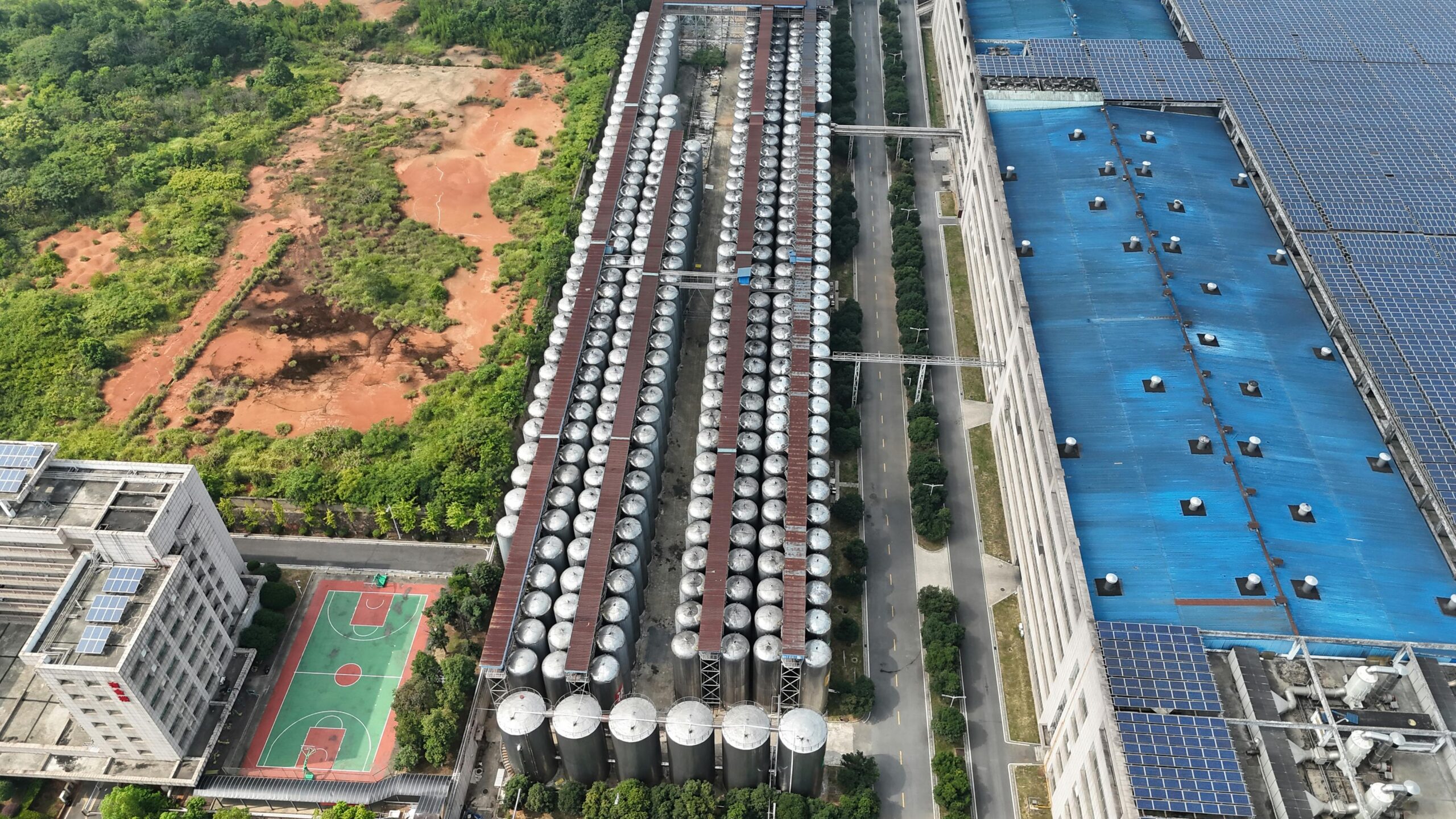
The precision equipment industry operates at the intersection of cutting-edge technology, substantial financial investment, and relentless innovation pressure, creating a complex ecosystem that demands strategic navigation.

🎯 The True Cost of Precision: Beyond the Price Tag
Precision equipment represents one of the most significant capital investments for manufacturing, medical, aerospace, and research facilities worldwide. The initial acquisition cost often appears manageable on paper, but the total cost of ownership tells a more sobering story. Organizations must account for installation expenses, operator training, calibration cycles, maintenance contracts, and eventual obsolescence.
Modern precision machinery frequently carries price tags ranging from hundreds of thousands to millions of dollars. A high-precision CNC machine can cost between $500,000 and $2 million, while advanced electron microscopes may exceed $5 million. These figures represent just the entry point into a long-term financial commitment.
The hidden costs emerge gradually. Specialized facilities often require environmental controls—temperature regulation within ±0.5°C, humidity control, vibration isolation, and cleanroom standards. Annual maintenance contracts typically consume 8-12% of the equipment’s purchase price. Calibration services, depending on equipment complexity and required certification levels, can demand another 3-5% annually.
Calculating the Real Investment Horizon
Financial planning for precision equipment requires a minimum 10-year outlook. Depreciation schedules rarely align with functional obsolescence timelines, creating accounting challenges. Equipment may remain mechanically sound while software support ends or measurement standards evolve, effectively rendering capable machines outdated.
Smart organizations develop comprehensive cost models incorporating:
- Acquisition and installation expenses
- Annual maintenance and calibration requirements
- Operator training and certification programs
- Consumables and replacement components
- Facility modifications and environmental controls
- Software licensing and update fees
- Downtime costs and backup equipment strategies
- Eventual disposal and decommissioning expenses
⚙️ The Dependency Dilemma: Vendor Lock-in and Supply Chain Vulnerability
Precision equipment creates lasting dependencies that extend far beyond the purchase transaction. Manufacturers often design proprietary systems requiring specialized parts, certified technicians, and exclusive software platforms. This architectural approach ensures quality control but simultaneously establishes vendor lock-in that limits operational flexibility.
The semiconductor fabrication industry exemplifies this challenge. Companies like ASML produce extreme ultraviolet lithography machines so specialized that only a handful exist globally. Customers become entirely dependent on ASML for service, upgrades, and operational support—a dependency that extends across decades of production cycles.
Supply Chain Fragility in the Precision Sector
Recent global disruptions exposed vulnerabilities in precision equipment supply chains. Critical components often originate from single-source suppliers, sometimes from geopolitically sensitive regions. Lead times for replacement parts can extend from months to over a year for highly specialized components.
Organizations face difficult strategic choices. Maintaining extensive spare parts inventories ties up capital in non-productive assets. Alternatively, minimal inventory approaches risk extended production outages when critical failures occur. Neither extreme satisfies operational excellence goals.
Progressive companies develop multi-tiered mitigation strategies. These include establishing relationships with multiple equipment vendors where feasible, maintaining strategic component stockpiles for mission-critical systems, investing in predictive maintenance technologies, and participating in industry consortiums that pool resources for common challenges.
🔬 Innovation Cycles: Racing Against Obsolescence
The precision equipment sector experiences continuous technological advancement, creating perpetual pressure to upgrade, replace, or enhance existing systems. Moore’s Law no longer applies exclusively to semiconductors—measurement precision, processing speeds, automation capabilities, and data integration features evolve at accelerating rates across all precision domains.
This rapid innovation cycle creates strategic dilemmas. Waiting for the next generation risks competitive disadvantage. Purchasing current-generation equipment guarantees obsolescence before full ROI realization. The timing paradox intensifies as technological advancement accelerates.
Balancing Innovation Adoption with Operational Stability
Industry leaders employ staged technology adoption frameworks. They categorize equipment investments into three tiers: competitive advantage systems requiring cutting-edge capabilities, production workhorses demanding proven reliability, and support equipment where older technology suffices.
Competitive advantage systems justify premium investment in latest-generation technology. These tools enable differentiated capabilities that command market premiums or enable entirely new offerings. Organizations accept higher costs and adoption risks for strategic positioning benefits.
Production workhorses require different calculus. Here, proven reliability outweighs marginal performance gains. Many successful manufacturers deliberately select equipment one generation behind the leading edge, benefiting from mature technology, extensive service networks, and lower acquisition costs.
💡 Operational Excellence in High-Precision Environments
Maximizing return from precision equipment investments requires sophisticated operational management. Equipment utilization rates, preventive maintenance adherence, operator competency development, and process optimization collectively determine whether expensive machinery delivers financial returns or becomes costly overhead.
Best-in-class facilities achieve 85-95% effective equipment utilization on critical systems. This performance level requires meticulous scheduling, proactive maintenance, rapid changeover protocols, and comprehensive operator training. Each percentage point of utilization improvement directly impacts return on investment.
The Human Factor: Skills Gap and Training Requirements
Precision equipment sophistication increasingly outpaces available workforce capabilities. Operating advanced measurement systems, programming multi-axis CNC equipment, or maintaining electron microscopes demands specialized knowledge that traditional technical education programs struggle to provide.
The skills gap manifests in multiple ways. Experienced operators retire faster than replacements gain equivalent expertise. Equipment complexity increases with each generation, lengthening the competency development timeline. Manufacturers compete intensely for limited pools of qualified technicians, driving compensation costs upward while leaving positions unfilled.
Forward-thinking organizations build comprehensive training ecosystems. They establish formal apprenticeship programs, partner with equipment manufacturers for certification courses, create internal knowledge management systems capturing tribal knowledge, and implement simulation-based training that accelerates skill development without risking expensive equipment.
📊 Data Integration: Transforming Precision Equipment into Smart Assets
Modern precision equipment generates vast data streams—operational parameters, quality measurements, environmental conditions, maintenance indicators, and process variations. This information, properly captured and analyzed, transforms equipment from isolated manufacturing tools into connected intelligence sources.
Industry 4.0 initiatives focus extensively on precision equipment connectivity. Sensors monitor vibration signatures predicting bearing failures weeks before breakdown. Machine learning algorithms detect subtle process drift before quality excursions occur. Digital twins enable virtual optimization reducing physical trial-and-error cycles.
Implementation Challenges and Integration Realities
Despite compelling value propositions, data integration projects frequently stumble. Legacy equipment lacks modern connectivity interfaces. Proprietary communication protocols prevent seamless integration. Data volumes overwhelm existing IT infrastructure. Most critically, organizations lack personnel combining deep equipment knowledge with data science capabilities.
Successful implementations adopt incremental approaches. They begin with highest-value equipment, establish proof-of-concept demonstrating measurable benefits, then expand progressively. Hybrid architectures accommodate both modern connected systems and legacy equipment through edge computing solutions that bridge technological generations.
🌍 Global Market Dynamics and Competitive Positioning
Precision equipment markets reflect broader economic and technological power structures. A relatively small number of companies dominate each specialized niche—TRUMPF and Mazak in machine tools, Zeiss and Nikon in optics, Thermo Fisher and Agilent in analytical instruments. These market concentrations provide stability but limit competitive pricing pressure.
Emerging manufacturers from Asia, particularly China, increasingly challenge established positions. Chinese precision equipment manufacturers offer 30-50% cost advantages while steadily closing performance gaps. For certain application categories, quality differences no longer justify premium pricing, shifting market dynamics fundamentally.
Strategic Sourcing in a Multipolar Equipment Landscape
Procurement strategies must balance multiple considerations. Lowest acquisition cost rarely delivers optimal total ownership value. Conversely, premium brands don’t guarantee superior outcomes for all applications. Geographic sourcing decisions carry geopolitical implications alongside technical and financial factors.
Sophisticated buyers develop nuanced vendor strategies. They maintain relationships across price and origin categories, qualifying multiple suppliers for each equipment class. This approach provides negotiating leverage, supply chain resilience, and flexibility to match equipment selection to specific application requirements rather than defaulting to single-vendor solutions.
🔧 Maintenance Philosophy: Preventive, Predictive, and Prescriptive Approaches
Maintenance strategies profoundly impact precision equipment lifecycle economics. Traditional preventive maintenance follows manufacturer-recommended schedules—replacing components at fixed intervals regardless of actual condition. This approach provides predictability but often replaces functional components prematurely while occasionally missing actual problems developing between scheduled interventions.
Predictive maintenance leverages condition monitoring technologies. Vibration analysis, thermal imaging, oil analysis, and acoustic emission testing assess actual equipment health, enabling maintenance interventions based on need rather than calendar schedules. Organizations adopting predictive approaches typically reduce maintenance costs 20-30% while improving equipment availability.
Prescriptive maintenance represents the emerging frontier. Advanced analytics combine equipment sensor data, operational history, environmental conditions, and fleet-wide information to recommend specific interventions optimizing overall system performance. These systems not only predict failures but prescribe optimal response timing and methods based on business priorities.
💰 Financing Strategies and Alternative Ownership Models
Capital intensity drives exploration of alternative equipment acquisition approaches. Traditional outright purchase requires substantial upfront capital allocation with associated balance sheet implications. Organizations increasingly consider lease arrangements, equipment-as-a-service models, and collaborative ownership structures.
Operating leases preserve capital for other investments while providing access to latest-generation equipment. However, long-term lease costs typically exceed purchase prices, and organizations never build equity. Financial engineering determines optimal approaches based on tax situations, capital availability, and strategic equipment positioning.
Equipment-as-a-Service: Shifting from Assets to Capabilities
Progressive manufacturers offer equipment-as-a-service arrangements where customers pay for machine hours, processed parts, or measurement capacity rather than equipment ownership. These models shift financial risk to equipment suppliers while ensuring customers access current technology and comprehensive support.
Service-based models work particularly well for extremely expensive, rapidly evolving equipment categories. Customers avoid obsolescence risk and eliminate maintenance management complexity. Suppliers achieve recurring revenue streams and maintain closer customer relationships enabling continuous service improvement.
🚀 Future Trajectories: Autonomous Systems and AI Integration
Precision equipment evolution accelerates toward autonomous operation. Next-generation systems incorporate artificial intelligence for self-optimization, predictive quality control, and adaptive processing. These capabilities promise substantial performance improvements while potentially reducing operator skill requirements.
Autonomous calibration systems already eliminate manual procedures requiring hours of technician time. Self-optimizing machining centers adjust parameters in real-time based on material variations and tool wear. AI-enhanced microscopy systems automatically identify features of interest and optimize imaging parameters without human intervention.
This technological trajectory raises important questions. As equipment intelligence increases, does dependency on vendors intensify or diminish? Do reduced operator requirements translate to cost savings or merely shift skill demands toward different domains? Will autonomous systems democratize precision capabilities or further concentrate them among organizations affording latest-generation equipment?

🎓 Building Organizational Capabilities for Long-Term Success
Mastering the high-stakes precision equipment world ultimately depends on organizational capabilities extending beyond any single machine acquisition. Companies succeeding long-term develop deep technical competencies, cultivate vendor relationships strategically, invest continuously in workforce development, and maintain financial discipline through market cycles.
They recognize precision equipment as strategic assets requiring comprehensive lifecycle management rather than one-time purchases. They build internal expertise enabling informed equipment selection, effective utilization, and intelligent maintenance. They participate actively in industry communities, sharing knowledge and collaborating on common challenges.
Most importantly, successful organizations maintain perspective. Precision equipment enables business objectives but never constitutes the objective itself. Technology serves strategy, not vice versa. This clarity prevents the common trap of pursuing technological sophistication disconnected from market requirements or operational capabilities.
The high-stakes world of precision equipment demands respect—for the financial commitments involved, the technical complexities inherent, and the strategic implications extending across years or decades. Organizations approaching these challenges with appropriate rigor, building necessary capabilities, and maintaining strategic alignment position themselves to extract maximum value from these remarkable but demanding technological assets.