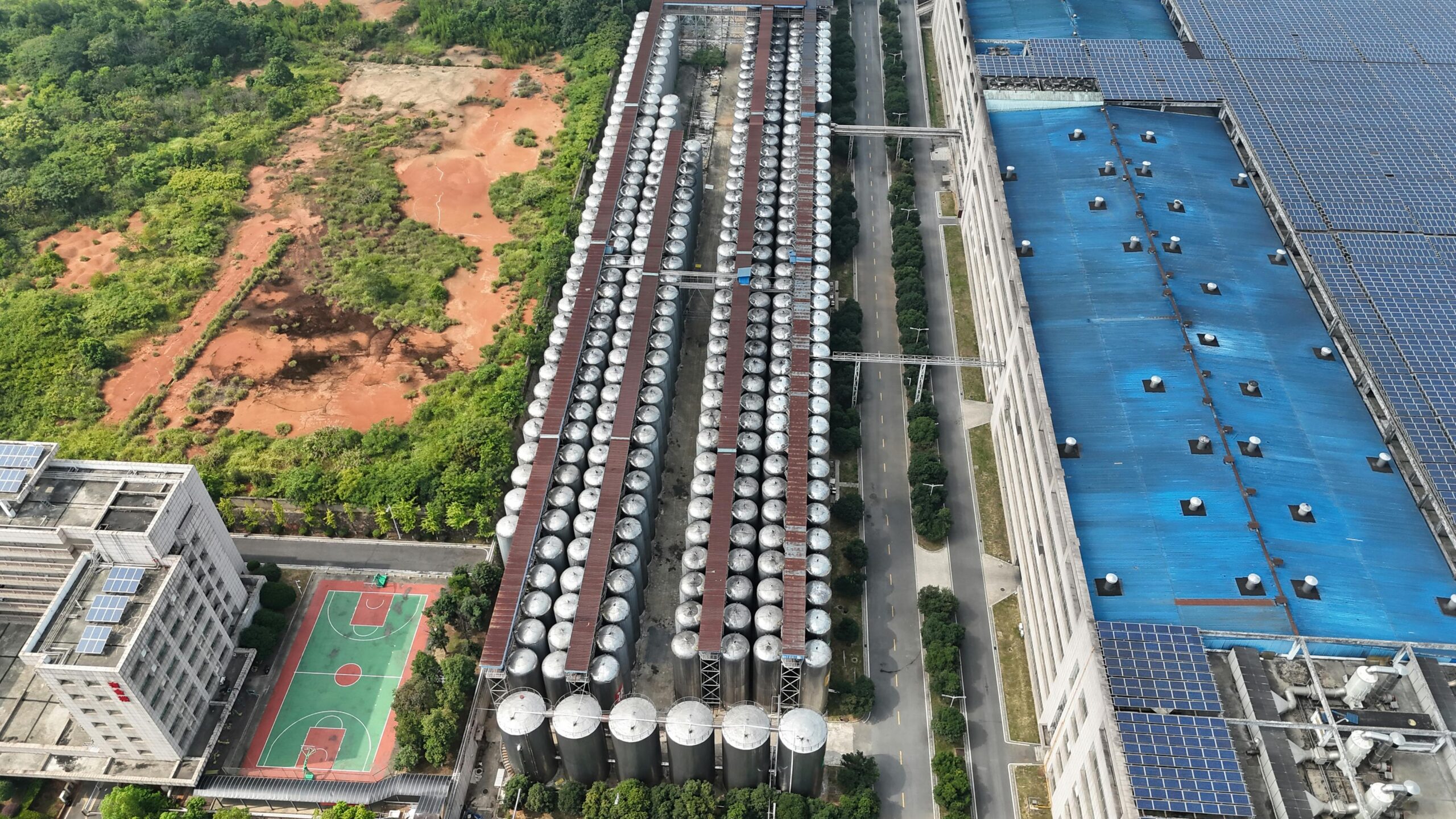
Achieving consistent results across multiple production batches remains one of manufacturing’s most persistent challenges, impacting quality, profitability, and customer satisfaction.

Whether you’re operating in pharmaceuticals, food production, cosmetics, or any manufacturing sector, batch-to-batch variability can undermine your brand reputation and operational efficiency. The good news? With the right strategies, systems, and mindset, you can master batch consistency and deliver flawless results every single time. This comprehensive guide explores the expert tips and proven strategies that industry leaders use to eliminate variability and achieve manufacturing excellence.
🎯 Understanding the True Cost of Batch Inconsistency
Before diving into solutions, it’s critical to understand what’s at stake when batch consistency falters. Inconsistent batches don’t just create quality issues—they trigger a cascade of problems throughout your organization.
Product recalls represent the most visible and expensive consequence of batch inconsistency. A single contaminated or off-specification batch can cost millions in direct recalls, not to mention the long-term damage to brand trust. Beyond recalls, inconsistent batches lead to increased waste, rework costs, and production downtime.
Customer complaints and returns spike when batch quality varies. Even subtle differences that pass quality control can be noticeable to end users, particularly in industries like cosmetics or specialty foods where sensory characteristics matter tremendously.
Regulatory compliance becomes increasingly difficult when you can’t demonstrate process control. Regulatory bodies across industries demand proof of consistent manufacturing practices, and batch variability raises red flags during inspections.
🔍 Identifying the Root Causes of Batch Variability
Solving batch consistency challenges begins with accurate diagnosis. Most batch variability stems from a handful of common sources that manufacturers often overlook or underestimate.
Raw Material Variations
Your raw materials are rarely as consistent as you assume. Natural ingredients vary by season, supplier, and growing conditions. Even synthetic materials show lot-to-lot variations based on production conditions at your supplier’s facility.
Many manufacturers make the mistake of treating all incoming materials as equivalent if they meet basic specifications. However, properties that fall within specification ranges can still cause significant downstream variability in your final product.
Equipment Performance Drift
Manufacturing equipment doesn’t maintain peak performance indefinitely. Pumps wear, heating elements age, mixing blades lose their edge, and sensors drift out of calibration. These gradual changes often go unnoticed until they’ve already caused batch consistency problems.
Temperature control systems may develop hot spots or cold zones. Mixing equipment might no longer achieve the same homogeneity it once did. Filtration systems can become partially clogged, changing flow rates and retention times.
Human Factor Variability
Even with detailed procedures, different operators inevitably introduce variability. The way someone interprets “mix thoroughly” or “heat gradually” varies between individuals. Timing differences in manual operations, judgment calls during processing, and inconsistent monitoring all contribute to batch-to-batch differences.
Shift changes, training gaps, and operator fatigue compound these issues. What works perfectly on the day shift might not translate to night operations with different personnel.
Environmental Conditions
Ambient temperature, humidity, and even barometric pressure affect many manufacturing processes more than most realize. A formulation that behaves perfectly in winter might show different characteristics during summer months.
Seasonal variations, daily weather changes, and even differences between climate-controlled zones within your facility can introduce subtle but significant variability.
✅ Building a Robust Raw Material Qualification System
Achieving batch consistency starts before production begins—it starts with how you source, qualify, and manage raw materials.
Implement comprehensive incoming material testing that goes beyond basic certificate of analysis verification. Test for properties that actually impact your process, not just what’s traditionally measured. For critical ingredients, develop material-specific acceptance criteria that account for process sensitivity.
Create approved supplier lists with rigorous qualification requirements. Work with suppliers to understand their process controls and consistency measures. Long-term supplier partnerships typically deliver better material consistency than constantly chasing the lowest price from different sources.
Establish material traceability systems that link every batch of finished product back to specific raw material lots. This enables rapid root cause analysis when consistency issues arise and helps identify problematic material sources quickly.
Consider building raw material buffer stocks of critical ingredients. Blending multiple lots of incoming materials can reduce lot-to-lot variability before production even begins.
⚙️ Implementing Process Controls That Actually Work
Effective process control represents the cornerstone of batch consistency. However, many manufacturers implement controls that create compliance paperwork without actually controlling variability.
Critical Process Parameters Identification
Not all process parameters matter equally. Identify the critical few variables that truly drive batch quality rather than monitoring everything indiscriminately. Use statistical tools like design of experiments to understand which parameters have the biggest impact on your critical quality attributes.
Once identified, implement tight controls on these critical parameters with appropriate alarms and automatic shutdowns when they drift out of acceptable ranges.
Real-Time Monitoring and Adjustment
Static process setpoints rarely account for the dynamic nature of manufacturing. Temperature setpoints that work perfectly with one material lot might need adjustment with another. Mixing times that work in winter might be insufficient in summer.
Implement process analytical technology (PAT) where feasible to monitor product characteristics in real-time rather than relying solely on process parameters. This enables dynamic adjustments that compensate for raw material or environmental variations.
Equipment Maintenance and Calibration
Develop preventive maintenance schedules based on actual equipment performance data rather than arbitrary time intervals. Monitor equipment performance metrics that correlate with batch consistency—not just whether equipment is running or stopped.
Calibration programs must be risk-based, with critical measurement devices calibrated more frequently and to tighter tolerances than less critical instruments. Document calibration history and trend calibration drift to predict when equipment might start affecting batch consistency.
📊 Leveraging Data for Continuous Improvement
Modern manufacturers generate enormous amounts of data, but few effectively transform that data into actionable insights for improving batch consistency.
Statistical process control (SPC) charts remain one of the most powerful tools for monitoring batch consistency. Track critical quality attributes across consecutive batches to identify trends before they become problems. Control charts reveal whether your process is stable and predictable or subject to assignable causes of variation.
Implement multivariate analysis to understand relationships between process parameters and quality outcomes. Simple correlations often miss complex interactions between variables that collectively impact batch consistency.
Create batch genealogy records that capture every detail about each production run—raw material lots, equipment used, operators involved, environmental conditions, and all process parameters. When consistency issues arise, this comprehensive record enables rapid root cause identification.
Establish key performance indicators (KPIs) specifically focused on batch consistency, not just overall quality metrics. Track metrics like standard deviation of critical quality attributes, percentage of batches requiring rework, and batch-to-batch variability indices.
👥 Developing a Culture of Consistency
Technical systems alone cannot achieve perfect batch consistency. The human element requires equal attention through training, communication, and accountability systems.
Comprehensive operator training programs must go beyond basic procedures. Train staff to understand why each step matters and how deviations impact final product quality. When operators understand the science behind the process, they make better decisions and catch potential problems earlier.
Standardize work methods down to the smallest detail. Document not just what to do but how to do it—the exact technique, timing, and decision criteria. Use visual work instructions and video demonstrations to eliminate ambiguity.
Implement effective shift handover protocols that ensure continuity across operator changes. Critical process status, ongoing issues, and batch-specific information must transfer seamlessly between shifts.
Create feedback loops where production staff can report potential consistency issues without fear of blame. Often, operators notice subtle changes long before they show up in quality test results, but only if they feel empowered to speak up.
🔬 Advanced Strategies for Challenging Products
Some products present inherent consistency challenges that require specialized approaches beyond standard manufacturing controls.
Managing Complex Formulations
Products with numerous ingredients or multi-step processes accumulate variability at each stage. Consider process analytical technology to verify intermediate product quality before proceeding to the next manufacturing step.
Break complex processes into controlled sub-batches rather than attempting to control the entire process as a single unit. This isolation makes troubleshooting easier and prevents problems from propagating through subsequent steps.
Handling Natural Ingredient Variability
Natural ingredients inherently vary more than synthetic materials. Develop robust formulations that accommodate reasonable ingredient variation without impacting final product quality. This might mean using slightly higher levels of functional ingredients to ensure minimum performance even with variable raw materials.
Consider ingredient standardization processes where concentrated natural materials are blended with diluents to achieve consistent functional levels despite variability in the concentrated material.
Scaling Challenges
What works perfectly at lab scale often behaves differently at production scale. Heat transfer, mixing efficiency, and reaction kinetics all change with scale. Develop scale-specific process parameters rather than simply multiplying lab-scale conditions.
Conduct formal scale-up studies with statistical designs that identify how critical process parameters must change across different production scales.
💡 Technology Solutions That Transform Consistency
Modern technology offers powerful tools for achieving and maintaining batch consistency that weren’t available even a decade ago.
Manufacturing execution systems (MES) enforce procedural consistency by guiding operators through standardized workflows. These systems prevent steps from being skipped, ensure materials are added in the correct order, and verify that critical parameters are confirmed before proceeding.
Automated process control systems eliminate human variability from routine operations. Advanced controllers can make continuous adjustments to maintain target conditions despite disturbances, something impossible with manual control.
Machine learning algorithms can identify subtle patterns in process data that predict batch consistency issues before they occur. These systems learn from historical data to understand complex relationships between variables and outcomes.
Digital twins—virtual replicas of your physical process—allow you to simulate changes and predict their impact on batch consistency before implementing them in production. This reduces trial-and-error experimentation on your actual manufacturing line.
🚀 Creating Your Batch Consistency Improvement Roadmap
Transforming batch consistency doesn’t happen overnight. Develop a phased improvement roadmap that delivers early wins while building toward comprehensive consistency management.
Start with comprehensive baseline assessment. Measure current batch-to-batch variability across your critical quality attributes. Identify your biggest consistency challenges and prioritize based on business impact—focus on problems affecting the highest-value products or those causing the most customer complaints.
Phase one should address the quick wins—obvious process control gaps, overdue equipment maintenance, and basic training needs. These improvements often deliver significant results with modest investment.
Phase two typically involves implementing systematic process controls, upgrading measurement systems, and establishing robust data collection practices. This creates the foundation for sustainable consistency.
Phase three advances to sophisticated analytical tools, automation upgrades, and continuous improvement systems that drive consistency to ever-higher levels.
Throughout this journey, measure progress against clear metrics. Celebrate improvements and communicate successes broadly to maintain organizational momentum. Batch consistency improvement is a marathon, not a sprint, requiring sustained commitment from leadership and front-line staff alike.
🎓 Learning from Industry Leaders
The most successful manufacturers share common characteristics in their approach to batch consistency. They view consistency not as a quality department responsibility but as a core business imperative requiring cross-functional commitment.
Leading companies invest heavily in process understanding through formal development studies rather than relying on tribal knowledge and historical practices. They challenge assumptions and continuously validate that their processes actually control the variables that matter.
These organizations embrace transparency, tracking and publishing consistency metrics throughout the company. When everyone sees the data, problems can’t hide, and improvement becomes everyone’s responsibility.
Top performers also maintain healthy paranoia about complacency. They recognize that today’s consistent process can become tomorrow’s problem if vigilance lapses. Continuous monitoring, regular process reviews, and proactive improvement initiatives prevent backsliding.

🌟 Sustaining Excellence Over Time
Achieving excellent batch consistency is challenging; maintaining it indefinitely is even harder. Without active management, processes naturally drift, controls become lax, and hard-won improvements erode.
Establish management systems that make consistency monitoring routine rather than exceptional. Regular review meetings should examine consistency metrics, discuss trends, and address emerging issues before they impact product quality.
Create knowledge management systems that capture lessons learned from consistency investigations and improvement projects. When key personnel leave, their expertise shouldn’t leave with them.
Conduct periodic process capability studies to verify that your processes still perform as expected. Manufacturing environments change gradually—new equipment, different suppliers, updated formulations—and these changes can subtly impact consistency over time.
Benchmark against industry standards and best practices regularly. What represents excellent consistency today might be merely acceptable tomorrow as industry standards evolve.
Mastering batch consistency challenges requires dedication, systematic approaches, and continuous improvement mindset. The strategies outlined here represent proven methods that manufacturers across industries use to achieve flawless results. By understanding root causes, implementing robust controls, leveraging data effectively, and maintaining vigilance over time, you can transform batch consistency from a persistent problem into a sustainable competitive advantage. Your customers will notice the difference, your operations will run more smoothly, and your bottom line will reflect the value of consistency excellence. The journey begins with commitment—commit today to making batch consistency a defining characteristic of your manufacturing operation. 🏆