Advanced optical distortion control transforms how we perceive digital and physical imagery, offering unprecedented clarity through sophisticated technological refinement that eliminates visual aberrations.

🔍 Understanding the Foundation of Optical Distortion
Optical distortion represents one of the most persistent challenges in visual technology, affecting everything from professional photography to everyday smartphone captures. These distortions occur when light rays bend incorrectly through lens systems, creating warped, stretched, or compressed images that fail to accurately represent reality. Understanding these fundamental imperfections empowers creators, professionals, and enthusiasts to implement corrective measures that elevate visual quality exponentially.
The science behind optical distortion encompasses multiple categories, each with distinct characteristics and correction requirements. Barrel distortion causes images to bulge outward, creating a fish-eye effect particularly noticeable in wide-angle photography. Conversely, pincushion distortion compresses edges inward, making straight lines appear curved toward the center. Chromatic aberration introduces color fringing around high-contrast edges, while spherical aberration reduces overall sharpness across the image field.
The Technical Architecture Behind Distortion Control
Modern distortion control systems leverage computational algorithms combined with precision optical engineering to counteract these inherent lens limitations. Advanced software analyzes image data in real-time, identifying distortion patterns specific to individual lens profiles and sensor configurations. This intelligent processing applies mathematical transformations that geometrically correct warped pixels, repositioning them to their intended locations within the frame.
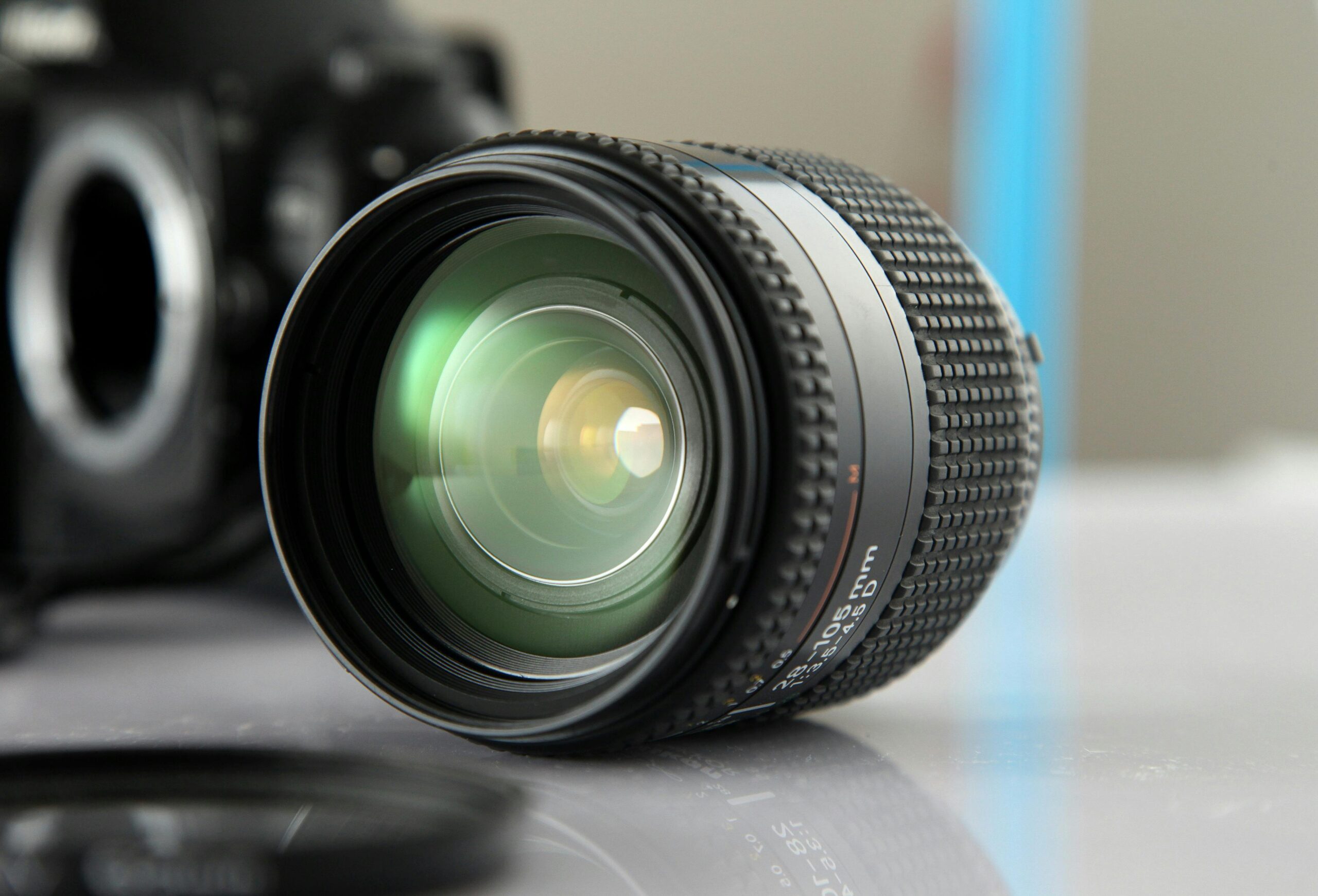
Hardware innovations complement software solutions through aspherical lens elements, specialized coatings, and multi-element designs that physically minimize light path aberrations. Premium optical systems incorporate low-dispersion glass formulations that reduce chromatic separation, while sophisticated lens groups counteract geometric distortions before light reaches the sensor. This dual-approach methodology—combining physical prevention with digital correction—delivers unparalleled clarity across diverse shooting conditions.
Computational Photography Revolution
The computational photography revolution has fundamentally redefined optical distortion management. Machine learning algorithms trained on millions of image samples now predict and neutralize distortions with remarkable accuracy. These systems recognize lens signatures automatically, applying customized correction profiles instantaneously without manual intervention. This intelligent automation democratizes professional-grade image quality, making crystal-clear results accessible to users regardless of technical expertise.
📱 Practical Applications Across Industries
Professional photography studios rely on advanced distortion control to deliver flawless product images, architectural documentation, and portrait work where dimensional accuracy proves critical. Real estate photographers eliminate perspective distortion in interior shots, presenting properties with true-to-life proportions that enhance visual appeal and buyer confidence. Commercial product photographers achieve geometrically perfect representations that meet stringent client specifications for catalogs and advertising materials.
The cinematography industry employs sophisticated distortion control throughout production pipelines. Visual effects teams correct lens aberrations before integrating computer-generated elements, ensuring seamless compositing between practical and digital components. Documentary filmmakers maintain visual credibility through accurate environmental representation, while narrative cinematographers preserve artistic intent by controlling exactly which distortions enhance storytelling versus detracting from viewer immersion.
Medical Imaging and Scientific Documentation
Medical imaging applications demand absolute precision where diagnostic accuracy depends on undistorted anatomical representation. Endoscopic procedures utilize real-time distortion correction algorithms that transform fisheye lens captures into geometrically accurate visualizations, enabling surgeons to navigate complex anatomical structures confidently. Dermatological documentation systems eliminate perspective warping in skin lesion photography, facilitating accurate measurement and longitudinal comparison studies.
Scientific research photography requires distortion-free documentation for measurement, analysis, and publication. Microscopy systems incorporate correction algorithms that compensate for optical aberrations inherent in high-magnification objectives. Astronomical imaging corrects atmospheric distortion alongside instrumental aberrations, revealing celestial details invisible to uncorrected systems. Archaeological documentation preserves artifact dimensions accurately through controlled imaging protocols.
🎯 Mastering Manual Correction Techniques
Professional image editing software provides comprehensive distortion correction tools enabling precise manual adjustments when automated systems fall short. Adobe Photoshop’s Lens Correction filter offers sliders controlling barrel, pincushion, and perspective distortions alongside chromatic aberration reduction. Understanding these parameters empowers users to fine-tune corrections beyond algorithmic suggestions, achieving pixel-perfect results tailored to specific creative visions.
Perspective correction transforms tilted architectural photographs into properly aligned compositions where vertical lines remain parallel. The transform tools in professional editing suites allow precise manipulation of image geometry, straightening buildings, correcting horizon lines, and eliminating keystoning effects from angled camera positions. These adjustments preserve image quality through intelligent interpolation algorithms that minimize resolution loss during geometric transformations.
Creating Custom Lens Profiles
Advanced users develop custom lens profiles capturing specific distortion characteristics of their equipment. This process involves photographing calibration targets under controlled conditions, then using specialized software to analyze distortion patterns across the frame. These profiles integrate into workflow pipelines, automatically correcting subsequent images captured with the profiled lens-camera combination with unprecedented accuracy.
| Distortion Type | Visual Effect | Primary Correction Method |
|---|---|---|
| Barrel Distortion | Outward bulging edges | Negative distortion value adjustment |
| Pincushion Distortion | Inward compressed edges | Positive distortion value adjustment |
| Chromatic Aberration | Color fringing | Channel alignment correction |
| Vignetting | Darkened corners | Peripheral illumination boost |
Smartphone Photography Advancement
Modern smartphones integrate sophisticated optical distortion control directly within camera applications, processing images instantaneously as they’re captured. Computational algorithms analyze scene geometry, identifying straight lines and architectural elements that should remain undistorted. Multi-frame processing techniques combine data from sequential captures, extracting optimal information while minimizing optical aberrations through intelligent averaging and alignment.
Ultra-wide smartphone cameras particularly benefit from advanced distortion correction, transforming heavily distorted fisheye captures into natural-looking wide-angle images. These systems selectively apply correction, maintaining intentional perspective effects near frame edges while eliminating unnatural warping of central subjects. Portrait modes employ distortion control alongside depth mapping, ensuring facial features maintain natural proportions regardless of lens proximity.
⚙️ Professional Workflow Integration Strategies
Implementing distortion control throughout professional workflows maximizes efficiency while maintaining quality consistency. Establishing standardized correction protocols ensures uniform results across projects, particularly valuable in collaborative environments where multiple photographers contribute to unified visual campaigns. Automated batch processing applies lens corrections to entire image collections simultaneously, dramatically reducing post-production timelines without compromising precision.
Non-destructive editing workflows preserve original image data while applying corrections as editable adjustments. This methodology allows iterative refinement and creative experimentation without permanent alterations to master files. Metadata embedding documents correction parameters within image files, facilitating consistent processing across different software platforms and future editing sessions.
Quality Assessment and Verification
Systematic quality assessment ensures distortion corrections achieve intended objectives without introducing artifacts or unnatural appearances. Overlay grid systems reveal geometric accuracy, displaying whether straight lines remain properly aligned post-correction. Edge examination identifies interpolation artifacts that occasionally appear during aggressive geometric transformations. Resolution analysis confirms sufficient detail preservation throughout corrected image areas.
- Implement systematic calibration routines for consistent equipment performance
- Document lens-specific distortion characteristics for reliable correction application
- Maintain backup workflows preserving original uncorrected files
- Regularly update correction profiles as equipment ages or configurations change
- Cross-reference automated corrections with manual verification for critical projects
- Educate team members on distortion recognition and appropriate correction strategies
🌟 Emerging Technologies and Future Directions
Artificial intelligence continues revolutionizing optical distortion control through deep learning networks trained on vast image datasets. These systems recognize complex distortion patterns exceeding traditional algorithmic capabilities, applying contextually appropriate corrections that preserve artistic intent while eliminating technical imperfections. Neural networks learn from professional retouching decisions, replicating expert judgment across automated processing pipelines.
Liquid lens technology promises hardware-based distortion control through dynamically adjustable optical surfaces. These innovative systems physically alter lens curvature electronically, adapting optical characteristics in real-time to minimize distortions across variable focal lengths and focus distances. Combined with computational correction, liquid lenses could eliminate optical aberrations entirely, achieving theoretical perfection in compact form factors.
Augmented Reality Integration
Augmented reality applications demand real-time distortion correction for convincing digital overlay integration. These systems continuously analyze camera feeds, correcting optical aberrations before rendering virtual elements into scenes. Precise geometric accuracy ensures digital objects maintain proper scale relationships with physical environments, creating seamless mixed-reality experiences where synthetic additions appear naturally grounded in real-world contexts.
Specialized Applications Beyond Photography
Industrial machine vision systems implement distortion control for dimensional measurement, quality inspection, and robotic guidance applications. Manufacturing processes rely on geometrically accurate imaging for defect detection, component alignment, and automated assembly verification. Correcting optical distortions ensures measurement accuracy within tolerance specifications critical for precision engineering and production quality control.
Autonomous vehicle perception systems correct fisheye distortions from wide-angle cameras monitoring surroundings. These real-time corrections enable accurate distance estimation, object recognition, and environmental mapping essential for safe navigation decisions. Distortion control transforms heavily warped panoramic views into metrically accurate representations supporting sophisticated computer vision algorithms.
🎨 Balancing Technical Perfection with Creative Vision
Understanding when to embrace versus eliminate optical distortions represents crucial artistic judgment. Certain creative contexts benefit from intentional distortion as stylistic choice, enhancing dramatic impact or establishing specific aesthetic moods. Wide-angle architectural photography sometimes preserves subtle barrel distortion conveying spatial expansiveness, while fashion photography occasionally employs controlled distortion for edgy contemporary aesthetics.
Master photographers develop intuitive sense for appropriate correction levels, avoiding over-processed appearances that sacrifice natural character for technical perfection. This nuanced approach recognizes that absolute geometric accuracy doesn’t always produce most compelling imagery. Strategic distortion control becomes tool serving creative vision rather than rigid requirement imposed uniformly across all work.
Building Comprehensive Technical Knowledge
Developing true mastery requires understanding optical physics principles underlying distortion phenomena. Studying lens design fundamentals, light behavior through curved surfaces, and ray-tracing principles builds intuitive comprehension enabling predictive problem-solving. This foundational knowledge empowers professionals to anticipate distortion challenges before they occur, selecting appropriate equipment and shooting techniques that minimize correction requirements.
Continuous education through workshops, technical publications, and hands-on experimentation keeps skills current amid rapidly evolving technology landscapes. Engaging with professional communities facilitates knowledge exchange, exposing practitioners to innovative techniques and alternative approaches. Building comprehensive expertise transforms distortion control from technical obstacle into creative advantage, expanding possibilities rather than imposing limitations.
💡 Practical Implementation Recommendations
Begin distortion control journey with equipment assessment, cataloging lenses and documenting their characteristic aberrations. Create reference libraries showing each lens’s distortion signature at various focal lengths and apertures. This foundational database informs correction strategies and guides future equipment acquisition decisions toward optically superior systems requiring minimal post-processing intervention.
Establish standardized shooting protocols minimizing distortions during capture rather than relying exclusively on post-production correction. Position cameras perpendicular to architectural subjects maintaining parallel vertical lines. Utilize tripods ensuring precise camera orientation control. Select appropriate focal lengths avoiding extreme wide angles when geometric accuracy proves paramount. These preventative measures reduce correction intensity requirements, preserving maximum image quality.
Achieving Professional Excellence Through Precision
Professional distinction emerges from consistent delivery of technically flawless imagery meeting exacting client expectations. Advanced optical distortion control separates amateur work from professional caliber, demonstrating mastery over technical challenges that compromise lesser practitioners. This expertise becomes competitive advantage in crowded creative marketplaces where quality differentiation determines commercial success.
Investment in distortion control knowledge and tools yields returns through expanded creative capabilities, enhanced client satisfaction, and elevated professional reputation. Crystal-clear imagery free from distracting aberrations communicates professionalism and attention to detail, building trust with discerning audiences. Mastering these sophisticated techniques positions practitioners at the forefront of visual excellence, prepared to meet evolving standards in increasingly quality-conscious digital environments.
The journey toward optical precision mastery requires patience, practice, and persistent refinement. Each project presents opportunities for learning, experimentation, and skill development. Embracing this continuous improvement mindset transforms technical challenges into growth catalysts, progressively expanding capabilities until distortion control becomes intuitive second nature. This dedication to excellence ultimately manifests in consistently stunning imagery that captivates audiences and achieves creative objectives with uncompromising clarity.