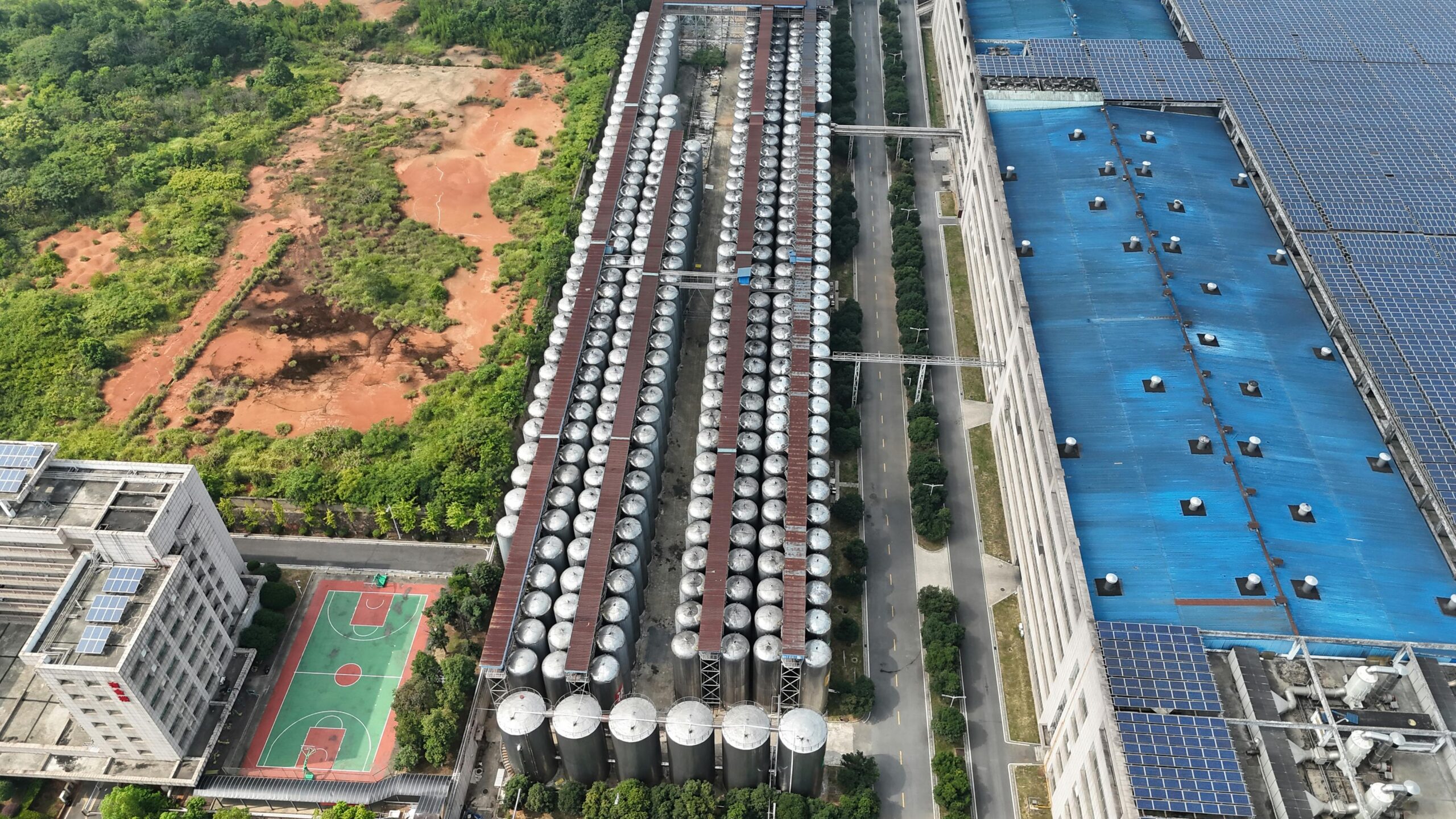
In today’s competitive manufacturing landscape, precision production has become the cornerstone of operational excellence, driving businesses toward unprecedented efficiency and sustainable growth.

The evolution of manufacturing processes has reached a critical juncture where companies must embrace precision-driven methodologies to remain competitive. Organizations across industries are discovering that mastering precision production isn’t just about reducing errors—it’s about creating systematic frameworks that enable scalability, optimize resource allocation, and deliver consistent quality that customers can depend on. This comprehensive approach transforms production from a cost center into a strategic advantage that fuels business expansion.
Understanding the fundamentals of precision production requires recognizing that it extends beyond technical specifications and tolerance levels. It encompasses a holistic philosophy that integrates technology, human expertise, process optimization, and continuous improvement into a cohesive system designed to maximize output while minimizing waste and variability.
🎯 The Foundation of Precision Production Excellence
Precision production begins with establishing clear standards and measurable objectives that align with your organization’s strategic goals. These standards serve as the blueprint for all subsequent operations, ensuring that every team member understands exactly what constitutes acceptable quality and performance metrics.
Implementing precision production requires investment in both technology and training. Modern manufacturing facilities leverage advanced equipment capable of maintaining tolerances measured in micrometers, while simultaneously developing workforce competencies that enable operators to interpret data, make informed decisions, and identify improvement opportunities in real-time.
The distinction between traditional manufacturing and precision production lies in the systematic approach to variation reduction. While conventional methods may accept a certain degree of inconsistency as inevitable, precision production methodologies treat variation as an enemy to be identified, measured, and eliminated through structured problem-solving techniques.
Building Blocks of a Precision-Focused Culture
Creating a culture that values precision requires leadership commitment demonstrated through resource allocation, recognition systems, and consistent messaging about quality importance. When executives prioritize precision alongside productivity and profitability, employees understand that accuracy isn’t optional—it’s fundamental to organizational success.
Documentation systems play a crucial role in maintaining precision standards across shifts, departments, and facilities. Comprehensive standard operating procedures, visual work instructions, and digital checklists ensure that knowledge isn’t confined to individual experts but becomes institutional capability that survives personnel changes and organizational growth.
⚙️ Technology Integration for Scalable Precision
Modern precision production relies heavily on technology integration that creates seamless data flow from design through manufacturing to quality verification. Computer-aided design systems, computer numerical control machinery, and automated inspection equipment work in concert to eliminate human error while accelerating production cycles.
The Industrial Internet of Things has revolutionized precision manufacturing by enabling real-time monitoring of equipment performance, environmental conditions, and process parameters. Sensors embedded throughout production lines collect millions of data points that feed into analytics platforms, providing insights that would be impossible to obtain through manual observation.
Artificial intelligence and machine learning algorithms now analyze production data to predict equipment failures before they occur, recommend process adjustments to optimize quality, and identify patterns that human analysts might overlook. These technologies don’t replace human expertise but rather amplify it, allowing skilled professionals to focus on strategic decisions while automation handles routine monitoring tasks.
Selecting the Right Technology Stack
Technology investment decisions must balance capability requirements with implementation complexity and total cost of ownership. Organizations should evaluate solutions based on their ability to integrate with existing systems, scalability to support future growth, and vendor stability to ensure long-term support availability.
Cloud-based manufacturing execution systems have emerged as powerful tools for companies seeking to implement precision production practices without massive capital expenditures. These platforms provide enterprise-grade functionality through subscription models that convert fixed costs into variable expenses while ensuring access to continuous updates and improvements.
📊 Data-Driven Decision Making in Precision Environments
Precision production generates enormous volumes of data that, when properly analyzed, reveal opportunities for improvement invisible to casual observation. Statistical process control techniques transform raw measurements into actionable intelligence about process capability, stability, and performance trends over time.
Effective data utilization requires establishing key performance indicators that directly correlate with business objectives. Metrics should encompass quality dimensions such as defect rates and process capability indices, efficiency measures including overall equipment effectiveness and cycle time, and cost factors like scrap rates and rework percentages.
Visualization tools convert complex datasets into intuitive dashboards that enable stakeholders at all organizational levels to understand performance status at a glance. Real-time displays on the production floor keep operators informed about their output quality, while executive dashboards aggregate facility-wide data to support strategic planning decisions.
Implementing Predictive Analytics
Advanced analytics moves organizations beyond reactive problem-solving toward proactive optimization. Predictive models analyze historical patterns to forecast future performance, enabling preventive interventions that avoid quality issues before they manifest in finished products.
Machine learning algorithms continuously refine their predictions as they process additional data, creating systems that become more accurate over time. These capabilities allow precision manufacturers to operate closer to specification limits while maintaining confidence that quality standards will be consistently met.
🔧 Process Optimization Methodologies
Lean manufacturing principles complement precision production by eliminating non-value-added activities that consume resources without improving product quality or customer satisfaction. Identifying and removing waste in all its forms—overproduction, waiting, transportation, excess processing, inventory, motion, and defects—frees capacity for revenue-generating production.
Six Sigma methodologies provide structured frameworks for process improvement through the DMAIC cycle: Define, Measure, Analyze, Improve, and Control. This disciplined approach ensures that improvement initiatives are based on data rather than assumptions and that gains are sustained through proper control mechanisms.
Value stream mapping exercises reveal the flow of materials and information through production processes, highlighting bottlenecks, delays, and disconnects that impede efficiency. These visualizations enable teams to redesign workflows for optimal performance rather than incrementally adjusting existing suboptimal systems.
Continuous Improvement as Competitive Advantage
Organizations that embed continuous improvement into their cultural DNA create compounding advantages over competitors. Small, incremental gains accumulate over time into substantial performance improvements that would be impossible to achieve through periodic major initiatives alone.
Kaizen events focus cross-functional teams on specific improvement opportunities, combining diverse perspectives to generate innovative solutions. These intensive problem-solving sessions break down departmental silos while building organizational capability in analytical thinking and collaborative problem-solving.
👥 Workforce Development for Precision Excellence
Technology and processes alone cannot deliver precision production excellence—skilled, motivated people remain the essential ingredient. Comprehensive training programs must develop both technical competencies required to operate sophisticated equipment and analytical capabilities needed to interpret data and drive improvements.
Apprenticeship programs that combine classroom instruction with supervised practical experience create pathways for new employees to develop expertise over time. Mentorship relationships pair experienced craftspeople with developing talent, ensuring that tacit knowledge accumulated over decades gets transferred to the next generation.
Cross-training initiatives build workforce flexibility by developing employees who can perform multiple roles within the production environment. This versatility enables organizations to respond quickly to demand fluctuations, cover absences without productivity losses, and deploy resources where they deliver maximum impact.
Creating Engagement Through Ownership
Employees who feel genuine ownership for quality outcomes demonstrate higher engagement levels and contribute more improvement ideas than those who view themselves as merely following instructions. Empowerment strategies that give frontline workers authority to stop production when quality issues arise signal that precision truly is the organization’s top priority.
Recognition programs that celebrate precision achievements reinforce desired behaviors while making heroes of employees who exemplify excellence. Public acknowledgment of contributions, whether through formal awards or informal appreciation, creates positive reinforcement that encourages continued high performance.
🌐 Supply Chain Integration for End-to-End Precision
Precision production cannot exist in isolation—it requires coordination across the entire supply chain to ensure that incoming materials meet specifications and that finished products reach customers in perfect condition. Supplier quality management programs establish clear expectations, verify compliance through audits and testing, and develop partnerships with vendors committed to mutual success.
Collaborative relationships with key suppliers enable co-development of components optimized for manufacturability, reducing production complexity while improving quality outcomes. Early supplier involvement in product design ensures that precision requirements are feasible and economically viable before commitments are made.
Traceability systems track materials from receipt through production to shipment, creating complete genealogies for finished products. This capability proves invaluable when quality issues arise, enabling rapid identification of affected inventory and root cause determination that prevents recurrence.
💡 Innovation and Adaptability in Precision Systems
The most successful precision production organizations balance standardization with adaptability, maintaining consistent core processes while remaining open to innovations that offer genuine improvements. Pilot programs test new technologies and methodologies on limited scales before full deployment, reducing implementation risk while building organizational learning.
Industry benchmarking provides external perspectives on performance gaps and best practices that could be adapted to your specific context. Participation in professional associations, facility tours, and conference attendance exposes teams to alternative approaches that may solve persistent challenges.
Research and development investments focused on process innovation yield returns through capability enhancements that competitors cannot easily replicate. Proprietary manufacturing techniques create barriers to entry that protect market position while enabling premium pricing based on superior quality or unique features.
📈 Measuring Return on Precision Investment
Justifying investments in precision production requires demonstrating tangible financial returns through reduced scrap and rework costs, decreased warranty claims, improved customer retention, and enhanced pricing power. Comprehensive business cases should quantify both cost savings and revenue enhancements attributable to precision improvements.
Customer satisfaction metrics often show strong correlations with precision production capabilities. Organizations that consistently deliver defect-free products on schedule build reputations that translate into customer loyalty, positive word-of-mouth referrals, and opportunities to capture premium market segments willing to pay more for guaranteed quality.
Market share gains frequently follow precision production mastery as competitors struggle to match quality levels or fail to scale their operations while maintaining standards. First-mover advantages in precision-critical applications create switching costs that insulate market positions from competitive threats.
🚀 Scaling Precision Production for Growth
Expanding production capacity while maintaining precision standards represents one of manufacturing’s greatest challenges. Successful scaling requires replicable systems that transfer knowledge and capability to new facilities, equipment, and personnel without quality degradation.
Modular facility designs enable capacity additions through duplication of proven production cells rather than wholesale process redesigns. This approach reduces implementation risk while accelerating time-to-volume for new capacity investments.
Digital twin technology allows organizations to simulate production scenarios before making physical changes, optimizing layouts, identifying bottlenecks, and training personnel in virtual environments. These capabilities dramatically reduce the cost and risk associated with expansion initiatives.
Global Expansion Considerations
International growth introduces additional complexity through variations in local labor skills, supplier ecosystems, regulatory requirements, and cultural norms. Organizations must adapt precision production systems to local contexts while maintaining non-negotiable quality standards that protect brand reputation.
Centers of excellence that develop and refine best practices can disseminate knowledge across global operations through structured training programs, expert rotational assignments, and digital knowledge management systems. This approach balances standardization benefits with necessary localization.

🎓 Sustaining Precision Excellence Long-Term
Maintaining precision production excellence over extended periods requires vigilance against complacency and continuous renewal of systems, technologies, and capabilities. Regular audits assess compliance with established standards while identifying drift from optimal practices before quality impacts occur.
Leadership succession planning ensures that institutional knowledge and cultural commitment to precision survive executive transitions. Developing internal talent pipelines for key technical and management positions protects against capability losses when experienced personnel retire or depart.
Technology refresh cycles prevent obsolescence by systematically upgrading equipment and software before reliability issues compromise precision capabilities. Planned replacement schedules smooth capital expenditures while ensuring that production infrastructure remains state-of-the-art.
The journey toward mastering precision production never truly ends—it represents an ongoing commitment to excellence that permeates every aspect of operations. Organizations that embrace this philosophy discover that precision becomes more than a technical requirement; it transforms into a competitive identity that differentiates them in crowded markets and enables sustainable growth trajectories that competitors cannot match.
By integrating advanced technologies with proven methodologies and engaged, skilled workforces, manufacturers create precision production systems that scale efficiently while delivering consistent quality. These capabilities unlock opportunities for market expansion, premium positioning, and operational efficiencies that flow directly to bottom-line profitability and long-term business success. The investment in precision production mastery pays dividends across every dimension of organizational performance, establishing foundations for decades of competitive advantage and industry leadership.