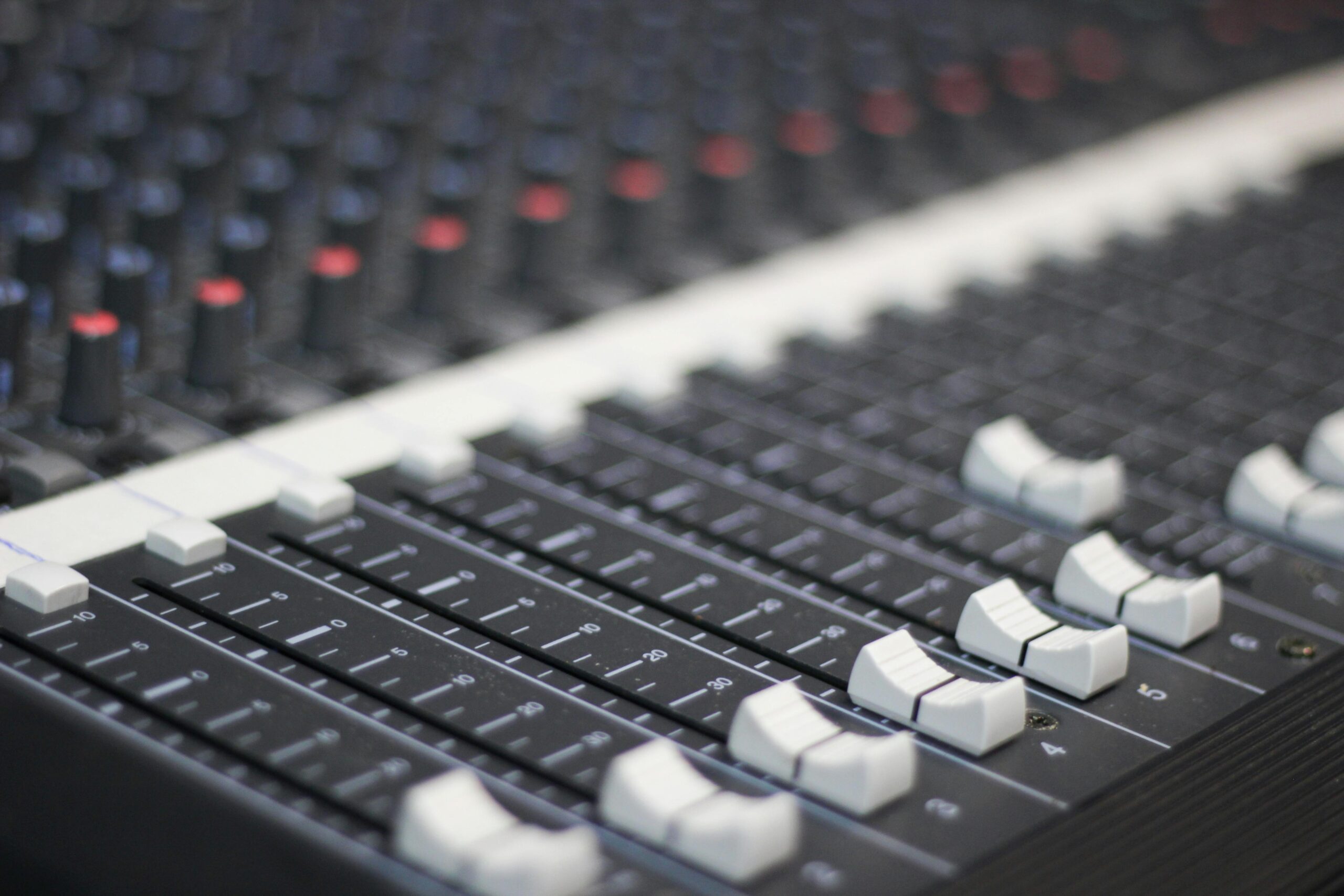
Sampling resolution is the invisible architect behind every digital image you view and every sound file you play, defining the boundary between fidelity and distortion.

🔬 The Foundation: What Sampling Resolution Really Means
In the digital realm, sampling resolution represents the precision with which analog signals are converted into discrete digital values. This fundamental concept bridges the gap between the continuous world we inhabit and the binary language computers understand. Whether capturing a symphony orchestra’s performance or photographing a sunset, sampling resolution determines how accurately the digital representation mirrors reality.
The process involves measuring an analog signal at specific intervals and assigning numerical values to these measurements. In audio, this means capturing sound wave amplitudes thousands of times per second. In imaging, it translates to recording light intensity and color information across millions of individual pixels. The resolution—both in terms of sampling frequency and bit depth—directly impacts the quality, file size, and ultimate usefulness of the digital output.
Understanding these limits isn’t merely an academic exercise. It has practical implications for photographers, audio engineers, videographers, and anyone working with digital media. The choices made regarding sampling resolution affect storage requirements, processing power, transmission bandwidth, and the perceptual quality of the final product.
📊 The Mathematics Behind Digital Sampling
The Nyquist-Shannon sampling theorem provides the mathematical foundation for understanding sampling resolution limits. This principle states that to accurately reproduce a signal, you must sample it at a rate at least twice the highest frequency component present in that signal. This critical threshold, known as the Nyquist frequency, represents the theoretical minimum for lossless digital conversion.
For audio applications, human hearing typically extends to approximately 20 kHz. This explains why CD-quality audio uses a 44.1 kHz sampling rate—slightly more than twice the upper limit of human hearing. The additional margin above the strict Nyquist minimum helps accommodate practical filter limitations and ensures cleaner reproduction without aliasing artifacts.
In imaging, spatial sampling resolution follows similar principles but applies them to two-dimensional space rather than time. The pixel density determines how fine the details can be captured, while bit depth defines how many distinct tonal or color values each pixel can represent. A higher bit depth translates to smoother gradients and greater dynamic range.
Bit Depth and Its Impact on Precision
Bit depth represents the number of possible values each sample can take. In 8-bit audio, each sample can have one of 256 possible values. Increasing to 16-bit provides 65,536 levels, while 24-bit offers over 16 million distinct values. This exponential growth significantly impacts the signal-to-noise ratio and dynamic range.
For imaging, bit depth per channel determines color accuracy and tonal range. Standard JPEG images typically use 8 bits per channel, providing approximately 16.7 million colors. Professional photography often employs 12-bit or 14-bit RAW formats, preserving substantially more information for post-processing flexibility.
🎵 Audio Sampling Resolution: Finding the Sweet Spot
Digital audio sampling presents unique challenges in balancing quality, file size, and practical limitations. The compact disc standard of 44.1 kHz at 16-bit has persisted for decades, representing an engineering compromise that satisfies both technical requirements and perceptual needs.
High-resolution audio formats push beyond these limits, offering sampling rates of 96 kHz, 192 kHz, or even higher, paired with 24-bit depth. Proponents argue these formats capture subtle nuances beyond the CD standard’s capabilities. However, the perceptual benefits remain debated, especially considering the increased storage requirements and processing demands.
The choice of sampling resolution depends heavily on the application. Music production and professional recording benefit from higher resolutions during capture and processing, allowing headroom for editing, effects, and format conversion. The final distribution format may use lower resolution that still exceeds perceptual thresholds while maintaining reasonable file sizes.
Common Audio Sampling Rates Explained
Different sampling rates serve specific purposes across various applications:
- 8 kHz: Telephone quality, sufficient for speech intelligibility but lacking fidelity
- 22.05 kHz: Early multimedia applications, acceptable for voice and some music
- 44.1 kHz: CD standard, professional distribution, perceptually transparent for most listeners
- 48 kHz: Video production standard, professional audio equipment default
- 96 kHz and above: High-resolution audio, studio recording, archival purposes
📷 Image Sampling Resolution: Pixels and Perception
Digital imaging presents sampling resolution challenges across multiple dimensions simultaneously. Spatial resolution determines detail capture, while bit depth affects color accuracy and tonal gradation. The interplay between these factors shapes image quality in ways that aren’t always intuitive.
Megapixel count dominates consumer marketing, but resolution involves more than pixel quantity. Sensor size, lens quality, processing algorithms, and viewing conditions all contribute to perceived sharpness and detail. A 12-megapixel image from a larger sensor with superior optics often surpasses a 48-megapixel image from a smaller sensor with inferior glass.
The viewing context fundamentally affects resolution requirements. Images displayed on smartphones or shared via social media need far less resolution than those printed at poster size or cropped extensively during editing. Understanding the intended use case helps optimize the balance between quality and file management practicality.
Resolution Requirements for Different Applications
Practical resolution needs vary dramatically based on the final output:
- Web display: 72-150 PPI typically sufficient, 1-2 megapixels often adequate
- Social media: Platform compression necessitates moderate resolution, 2-4 megapixels functional
- Standard printing: 300 PPI recommended, 8-12 megapixels for common sizes
- Large format printing: 150-240 PPI acceptable due to viewing distance, 20+ megapixels beneficial
- Professional photography: Maximum available resolution preserves editing flexibility
⚡ The Aliasing Problem and Anti-Aliasing Solutions
When sampling resolution falls below the Nyquist limit, aliasing occurs—high-frequency information masquerades as lower frequencies, creating distortion that cannot be removed after the fact. In audio, this produces unmusical artifacts and harsh tones. In images, it manifests as moiré patterns, jagged edges, and false detail.
Anti-aliasing filters address this problem by removing frequencies above half the sampling rate before digitization occurs. Analog filters in audio interfaces and optical low-pass filters in cameras serve this preventive function. However, these filters introduce their own compromises, potentially softening legitimate high-frequency content or creating phase shifts.
Modern approaches increasingly rely on oversampling combined with digital filtering. Capturing data at multiples of the target rate allows gentler analog filters with fewer side effects, followed by sophisticated digital processing that preserves desired content while eliminating aliasing risk. This technique appears in both audio converters and computational photography pipelines.
💾 Storage, Bandwidth, and Practical Constraints
Theoretical sampling resolution limits must coexist with real-world constraints. Storage capacity, transmission bandwidth, processing power, and cost considerations all influence practical resolution choices. Uncompressed high-resolution files quickly consume available resources, necessitating compression strategies.
Lossless compression reduces file sizes without discarding information, typically achieving 2:1 to 3:1 ratios for audio and similar results for certain image types. Lossy compression achieves much higher ratios by selectively removing information deemed perceptually less important. MP3, AAC, JPEG, and HEVC represent successful implementations of perceptual coding that balance size reduction against quality degradation.
Cloud storage and streaming services amplify these concerns. Spotify, YouTube Music, and similar platforms use adaptive bitrate streaming, adjusting quality based on available bandwidth. Understanding how compression interacts with sampling resolution helps content creators optimize their work for various distribution channels without unnecessary quality sacrifice.
Compression Impact on Effective Resolution
Aggressive compression can effectively reduce the benefit of high sampling resolution. A 24-bit 192 kHz audio file compressed with extreme lossy encoding may deliver no perceptual advantage over a well-encoded 16-bit 44.1 kHz source. Similarly, a 50-megapixel image saved with maximum JPEG compression may appear worse than a 12-megapixel image with minimal compression.
🔮 Emerging Technologies and Future Directions
Computational approaches increasingly complement traditional sampling resolution improvements. Machine learning algorithms reconstruct detail beyond native sensor capabilities, interpolate between samples intelligently, and remove noise while preserving genuine signal content. These techniques sometimes produce perceptually superior results compared to straightforward resolution increases.
In audio, neural networks predict plausible high-frequency content from limited bandwidth sources, effectively performing bandwidth extension. Audio restoration tools remove clicks, hum, and noise that would otherwise require higher sampling resolution to capture without masking desired content. The boundary between capture resolution and processing capability continues blurring.
Imaging advances include computational photography techniques like HDR merging, focus stacking, and multi-frame super-resolution. Smartphones routinely combine multiple exposures to exceed single-shot sensor limitations. These approaches effectively multiply the information density beyond what traditional sampling resolution specifications suggest.
🎯 Practical Guidelines for Resolution Selection
Choosing appropriate sampling resolution requires evaluating the entire signal chain from capture through final delivery. Starting with resolution exceeding final requirements provides processing headroom and future-proofs content against evolving standards. However, diminishing returns appear as resolution climbs beyond perceptual thresholds.
For audio production, 48 kHz at 24-bit represents a practical sweet spot offering professional quality with manageable file sizes. Recording at higher rates may benefit specific applications involving extensive processing or pitch manipulation. Archival projects warrant maximum practical resolution to preserve content for unknown future uses.
In photography, sensor resolution should align with typical output requirements plus a comfortable margin. Enthusiast photographers generally find 20-30 megapixels sufficient for diverse applications. Professional work in advertising, fashion, or landscape photography may justify 40-100+ megapixels when large prints or extreme cropping factor into workflows.
Decision Framework for Resolution Requirements
Consider these factors when determining appropriate sampling resolution:
- Intended output format: Match resolution to delivery requirements plus reasonable headroom
- Processing plans: Extensive editing benefits from higher initial resolution
- Storage infrastructure: Ensure adequate capacity for chosen resolution across entire workflow
- Hardware capabilities: Verify equipment handles selected resolution without performance degradation
- Budget constraints: Higher resolution equipment costs more; ensure returns justify investment
- Audience expectations: Professional contexts may demand higher resolution regardless of perceptual benefits
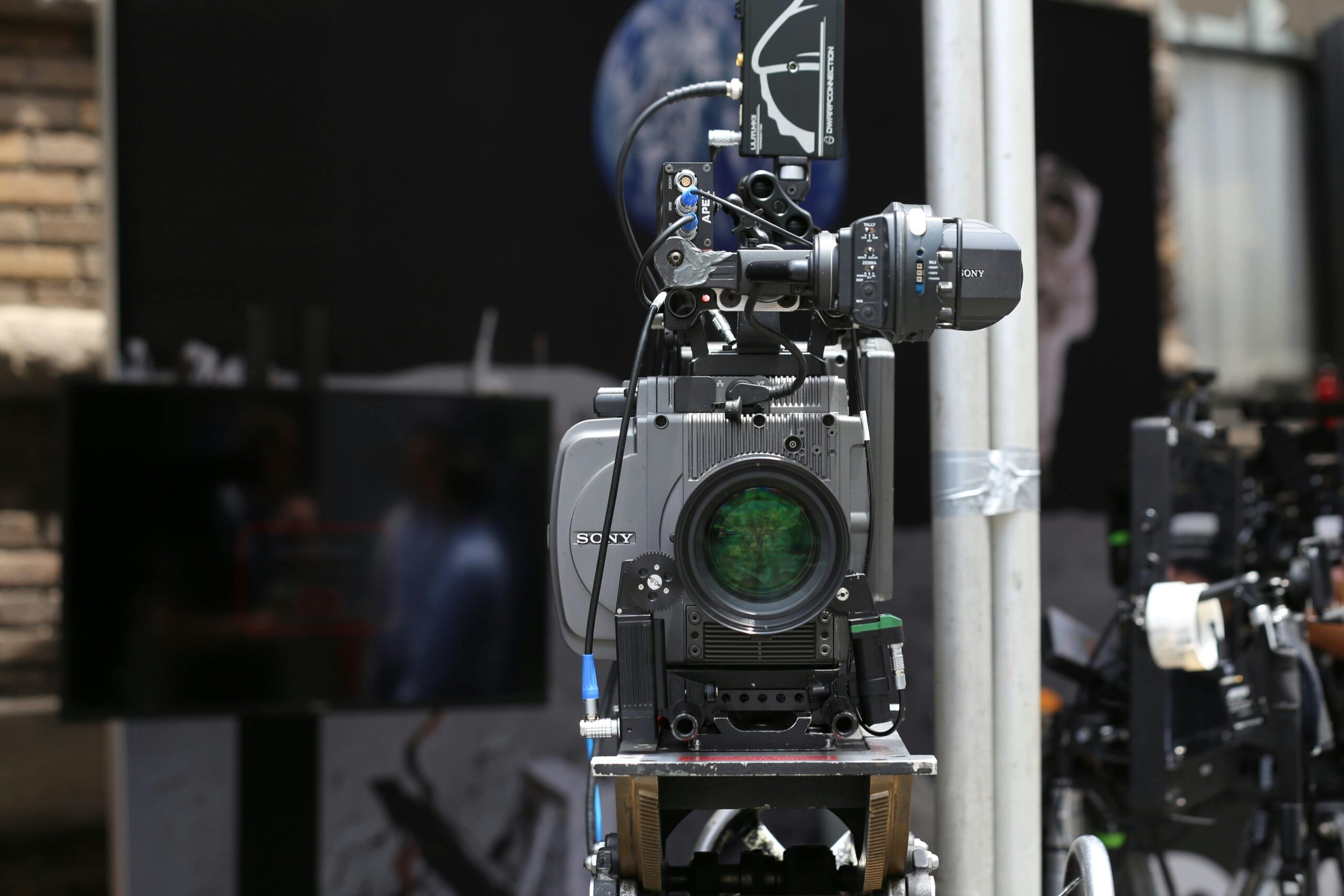
🌟 The Perceptual Reality Beyond Numbers
Technical specifications tell only part of the story. Human perception introduces additional complexity that pure sampling resolution numbers cannot capture. Context, expectation, listening conditions, viewing distance, and individual differences all influence whether resolution differences manifest as noticeable quality improvements.
Controlled blind testing repeatedly demonstrates that modest sampling resolution differences often prove imperceptible under realistic conditions. The gulf between CD-quality audio and high-resolution formats remains controversial among researchers and audiophiles alike, with controlled studies frequently failing to show reliable discrimination.
In imaging, viewing distance naturally limits resolution benefits. A billboard viewed from 50 meters requires far less resolution per square meter than a fine art print examined closely. Understanding these perceptual realities helps allocate resources effectively rather than pursuing specifications divorced from practical benefit.
The pursuit of clarity through sampling resolution represents a balance between technical capability, practical constraints, and perceptual reality. By understanding the fundamental limits imposed by the Nyquist theorem, the practical implications of bit depth, and the context-dependent nature of resolution requirements, creators can make informed decisions that optimize quality without wasteful excess. The digital revolution democratized high-fidelity capture and reproduction, but wisdom lies in applying these powerful tools with understanding rather than merely maximizing specifications. Precision in digital audio and imaging emerges not from blindly maximizing sampling resolution, but from thoughtfully matching capabilities to needs across the entire creation and delivery pipeline.