Modern architecture demands materials that combine aesthetic appeal with superior functionality, and high-performance material ceilings are revolutionizing how we design contemporary spaces.

The ceiling is often referred to as the “fifth wall” of any interior space, yet it remains one of the most underutilized design elements in traditional construction. Today’s architects, designers, and building owners are discovering that advanced ceiling materials can dramatically transform environments while delivering measurable performance benefits that extend far beyond mere appearance.
High-performance material ceilings represent a paradigm shift in how we approach interior design and building functionality. These innovative systems integrate cutting-edge materials science with thoughtful design principles to create overhead surfaces that actively contribute to occupant comfort, energy efficiency, acoustic control, and visual impact. From sleek metal panels to acoustically engineered wood alternatives, from sustainable recycled materials to intelligent responsive surfaces, the options available today offer unprecedented opportunities to elevate any space.
🏗️ Understanding High-Performance Ceiling Materials
High-performance ceiling materials distinguish themselves from conventional options through their enhanced properties and multifunctional capabilities. Unlike basic gypsum board or standard suspended ceiling tiles, these advanced materials are engineered to deliver specific performance characteristics while maintaining design flexibility.
The definition of “high-performance” in ceiling materials encompasses several key attributes: superior durability that extends product lifespan, enhanced acoustic properties that control sound transmission and reverberation, improved fire resistance and safety characteristics, sustainable production and lifecycle considerations, ease of maintenance and cleaning, and exceptional aesthetic versatility.
Modern material science has enabled the development of ceiling products that were simply impossible a generation ago. Nano-coatings provide antimicrobial properties and stain resistance. Advanced composites combine the best qualities of multiple materials while eliminating traditional weaknesses. Engineered wood products offer natural aesthetics without the limitations of solid timber. Metal systems provide durability and design flexibility previously unattainable.
The Evolution of Ceiling Technology
The ceiling industry has undergone remarkable transformation over the past two decades. Early acoustic tiles were functional but aesthetically limited. Traditional materials offered either performance or beauty, rarely both simultaneously. The integration of performance and design began with commercial applications where functional demands were critical, but has now expanded throughout residential and hospitality sectors.
Contemporary ceiling materials leverage advanced manufacturing techniques including precision perforation patterns for acoustic control, multi-layer lamination for enhanced properties, digital printing for unlimited design possibilities, and modular systems for flexibility and ease of installation. These technological advances have democratized access to high-performance solutions across various project scales and budgets.
✨ Aesthetic Versatility and Design Freedom
One of the most compelling advantages of modern high-performance ceiling materials is their extraordinary design flexibility. Today’s products transcend the limitations that once constrained ceiling design, offering architects and designers unprecedented creative freedom.
Metal ceiling systems exemplify this versatility. Available in aluminum, steel, copper, and specialty alloys, these materials can be formed into linear panels, tiles, planks, or custom configurations. Surface finishes range from mirror-polished to deeply textured, from standard colors to custom patinas. Perforation patterns can be functional, decorative, or both, creating visual interest while enhancing acoustic performance.
Wood and wood-alternative ceiling materials bring natural warmth to contemporary spaces without the maintenance challenges of traditional timber. Engineered wood products resist warping, cracking, and moisture damage while maintaining authentic grain patterns and textures. Wood-alternative materials crafted from recycled content or sustainable sources offer the aesthetic of natural wood with enhanced durability and environmental credentials.
Creating Visual Impact Through Material Selection
The ceiling significantly influences spatial perception and atmosphere. Light-colored, reflective ceiling materials enhance brightness and create the illusion of greater volume, making spaces feel larger and more open. Darker, absorptive materials create intimacy and drama, drawing attention downward and creating cozy environments. Textured surfaces add dimensional interest and visual complexity, while smooth materials convey sleek minimalism.
Layered ceiling designs incorporating multiple materials and planes add architectural depth and visual sophistication. Combining metal accents with acoustic panels, integrating lighting within material systems, and creating feature zones with contrasting materials are all techniques that high-performance ceiling products facilitate.
🔊 Acoustic Performance and Sound Control
Acoustic comfort ranks among the most critical yet overlooked aspects of interior environments. Poor acoustics create stress, reduce productivity, impair communication, and diminish overall quality of life. High-performance ceiling materials address these challenges through engineered sound control properties.
Acoustic ceiling materials manage sound through two primary mechanisms: absorption and blocking. Sound absorption reduces reverberation and echo within a space by converting sound energy into minimal heat through friction within porous materials. Sound blocking (transmission loss) prevents sound from traveling between spaces through mass and decoupling strategies.
The Noise Reduction Coefficient (NRC) measures how much sound a material absorbs, with values ranging from 0.0 (perfectly reflective) to 1.0 (perfectly absorptive). High-performance acoustic ceiling materials typically achieve NRC ratings between 0.70 and 0.95, dramatically improving speech intelligibility and reducing ambient noise levels.
Applications for Optimal Acoustic Environments
Different spaces require tailored acoustic approaches. Open-plan offices benefit from ceiling materials with high NRC ratings to minimize sound propagation and reduce distraction. Restaurants and hospitality venues require acoustic control to maintain comfortable conversation levels while preserving ambiance. Educational facilities need ceilings that enhance speech clarity and minimize inter-classroom noise transfer. Healthcare environments demand materials that reduce stress-inducing noise while meeting stringent hygiene standards.
Modern acoustic ceiling materials achieve sound control without sacrificing aesthetics. Micro-perforated metal panels appear solid from normal viewing distances while providing excellent absorption. Fabric-wrapped systems offer unlimited color and texture options. Three-dimensional formed products combine sculptural interest with acoustic functionality.
💡 Integration with Lighting and Building Systems
High-performance ceiling materials excel at integrating with essential building systems, particularly lighting. The relationship between ceiling surfaces and illumination significantly impacts energy consumption, visual comfort, and spatial quality.
Reflective ceiling materials maximize light distribution, reducing the number of fixtures required and lowering energy consumption. Materials with carefully calibrated reflectance values (typically 0.80 to 0.90 for white surfaces) bounce light efficiently without creating glare. This optimization can reduce lighting energy use by 10-20% compared to lower-reflectance alternatives.
Many high-performance ceiling systems incorporate integrated lighting solutions. Linear metal panels with recessed LED channels create continuous lines of light. Acoustic panels with integrated fixtures combine sound control with illumination. Translucent materials enable backlighting effects for ambient glow. Modular systems accommodate rapid fixture repositioning as space needs evolve.
Smart Building Integration
The most advanced ceiling systems now incorporate or facilitate smart building technologies. Integrated sensors for occupancy, temperature, and air quality can be seamlessly embedded within ceiling materials. Distributed HVAC systems integrate with ceiling panels for efficient air distribution. Wireless connectivity infrastructure mounts within ceiling assemblies without compromising aesthetics.
This integration transforms ceilings from passive surfaces into active participants in building performance, contributing to energy efficiency, occupant comfort, and operational intelligence.
🌱 Sustainability and Environmental Performance
Environmental responsibility has become essential in building material selection, and high-performance ceiling materials increasingly prioritize sustainability throughout their lifecycle. From raw material sourcing through manufacturing, installation, use phase, and eventual recycling or disposal, leading ceiling products minimize environmental impact.
Recycled content represents one key sustainability strategy. Many metal ceiling systems contain 25-95% post-consumer or post-industrial recycled material. Mineral fiber acoustic tiles incorporate recycled content from various sources. Wood alternatives utilize reclaimed fibers or rapidly renewable materials like bamboo.
Low-emitting materials protect indoor air quality by minimizing volatile organic compound (VOC) emissions. High-performance ceiling products increasingly meet stringent standards like California Section 01350 or achieve third-party certifications demonstrating minimal chemical off-gassing.
Lifecycle Considerations and Circular Economy
Sustainability extends beyond initial material composition to encompass entire product lifecycles. Durable ceiling materials that maintain performance and appearance for decades reduce replacement frequency and associated environmental impacts. Products designed for disassembly enable component reuse or material recycling at end-of-life. Regional manufacturing reduces transportation impacts and supports local economies.
Many high-performance ceiling materials contribute to green building certifications including LEED, WELL, Living Building Challenge, and BREEAM. These products help projects earn points through categories like Materials and Resources, Indoor Environmental Quality, and Innovation.
🛡️ Durability, Safety, and Maintenance
High-performance ceiling materials deliver exceptional durability that reduces lifecycle costs and maintains appearance over extended periods. This longevity stems from inherent material properties and protective treatments that resist common degradation mechanisms.
Moisture resistance prevents the sagging, staining, and microbial growth that plague traditional ceiling tiles in humid environments. Metal, certain polymers, and specially treated mineral fiber products maintain integrity even in high-humidity applications like pools, kitchens, or coastal locations.
Fire safety represents a critical ceiling performance characteristic. Many high-performance materials achieve Class A fire ratings (the highest classification), meaning they have flame spread indices of 25 or less. Non-combustible metal and mineral fiber products provide inherent fire resistance, while treated materials achieve similar performance through specialized coatings and additives.
Low-Maintenance Performance
Maintenance requirements significantly impact total cost of ownership. High-performance ceiling materials minimize ongoing maintenance through several strategies: stain-resistant coatings that repel dirt and facilitate cleaning, antimicrobial treatments that inhibit microbial growth on surfaces, damage-resistant formulations that withstand impacts without showing marks, and colorfast materials that resist fading from UV exposure and cleaning.
When cleaning is necessary, many high-performance materials tolerate aggressive cleaning protocols without damage, an essential characteristic in healthcare, food service, and other hygiene-critical applications.
📐 Installation Flexibility and System Options
The practical advantages of high-performance ceiling materials extend to installation processes and system configurations. Modern ceiling products offer multiple mounting options to accommodate various structural conditions, aesthetic preferences, and functional requirements.
Suspended grid systems remain popular for commercial applications, providing accessible plenums for building services, easy maintenance access, and flexibility for future modifications. High-performance materials designed for suspended applications offer aesthetic upgrades to standard commercial ceilings without sacrificing practical benefits.
Direct-mounted systems attach ceiling materials directly to structure or furring, creating clean, uninterrupted surfaces ideal for contemporary design aesthetics. These systems work particularly well in residential applications and boutique commercial spaces where grid visibility would detract from design intent.
Concealed and Specialty Mounting Systems
Concealed grid systems hide suspension infrastructure while maintaining accessibility advantages. Panels rest in grids with concealed connections, creating continuous surfaces that appear direct-mounted but retain suspended system functionality. Specialty systems like tension fabric, curved panels, and floating elements enable distinctive designs impossible with conventional approaches.
Modular high-performance ceiling systems offer particular advantages in renovation projects, allowing installation over existing ceilings without extensive demolition and reducing project timelines and disruption.
💼 Applications Across Building Types
High-performance ceiling materials prove valuable across diverse building types, each with specific requirements that advanced materials uniquely address.
Corporate office environments benefit from acoustic control that enhances productivity, reflective surfaces that optimize lighting efficiency, and aesthetic quality that reinforces brand identity. Open-plan spaces particularly require high-performance acoustic ceilings to maintain reasonable noise levels.
Healthcare facilities demand materials meeting strict hygiene standards, including cleanability, antimicrobial properties, and resistance to harsh cleaning agents. Acoustic performance contributes to healing environments by reducing stress-inducing noise. High light reflectance supports visibility for medical tasks.
Educational institutions require durable materials that withstand years of use, acoustic properties that support learning, and sustainable products that align with educational values. Budget constraints make lifecycle cost advantages particularly relevant.
Hospitality, Retail, and Specialized Environments
Hospitality venues utilize high-performance ceilings to create memorable guest experiences through distinctive design while managing acoustics in public spaces. Moisture-resistant materials suit pool areas and spas. Fire-rated products provide essential safety in occupied buildings.
Retail environments leverage ceiling design as part of brand expression and customer experience. Flexible systems accommodate changing layouts and seasonal displays. Integrated lighting systems highlight merchandise effectively.
Industrial and manufacturing facilities increasingly adopt high-performance ceiling materials for areas where appearance and acoustics matter, including administrative offices, showrooms, and customer-facing spaces within industrial complexes.
🎯 Selecting the Right Material for Your Project
Choosing optimal ceiling materials requires evaluating multiple factors simultaneously. Successful selection balances performance requirements, aesthetic goals, budget constraints, and long-term considerations.
Begin by clearly defining performance priorities. Rank acoustic control, moisture resistance, fire rating, durability, sustainability, and other characteristics by importance for your specific application. This prioritization guides material evaluation and helps resolve trade-offs.
Consider the total lifecycle cost rather than initial price alone. A premium material with superior durability and minimal maintenance may prove more economical over a 20-year lifecycle than a cheaper alternative requiring frequent replacement or intensive upkeep.
Working with Design Professionals
Collaborating with experienced architects, designers, and ceiling specialists ensures optimal material selection and installation. These professionals understand how different materials perform in various applications, can source specialized products, and coordinate ceiling design with other building systems.
Request samples of shortlisted materials to evaluate appearance, texture, and quality in person. Colors and finishes appear different under various lighting conditions, so review samples in the actual project environment when possible.
🚀 Future Trends in Ceiling Material Technology
The ceiling materials industry continues evolving rapidly, with emerging technologies promising even more impressive capabilities. Bio-based materials derived from agricultural waste, algae, and other renewable sources offer sustainability advantages while delivering competitive performance. Active surfaces incorporating photocatalytic coatings that purify air or antimicrobial technologies that continuously disinfect represent another frontier.
Digital fabrication enables mass customization, allowing architects to specify unique perforation patterns, colors, and configurations without cost penalties traditionally associated with custom work. This democratization of customization will enable more distinctive, project-specific ceiling designs.
Responsive and adaptive materials that change properties based on environmental conditions or occupant needs represent longer-term possibilities. Imagine ceiling surfaces that adjust acoustic absorption based on room occupancy or modify light reflectance to optimize daylighting throughout the day.
🏆 Transforming Spaces Through Thoughtful Ceiling Design
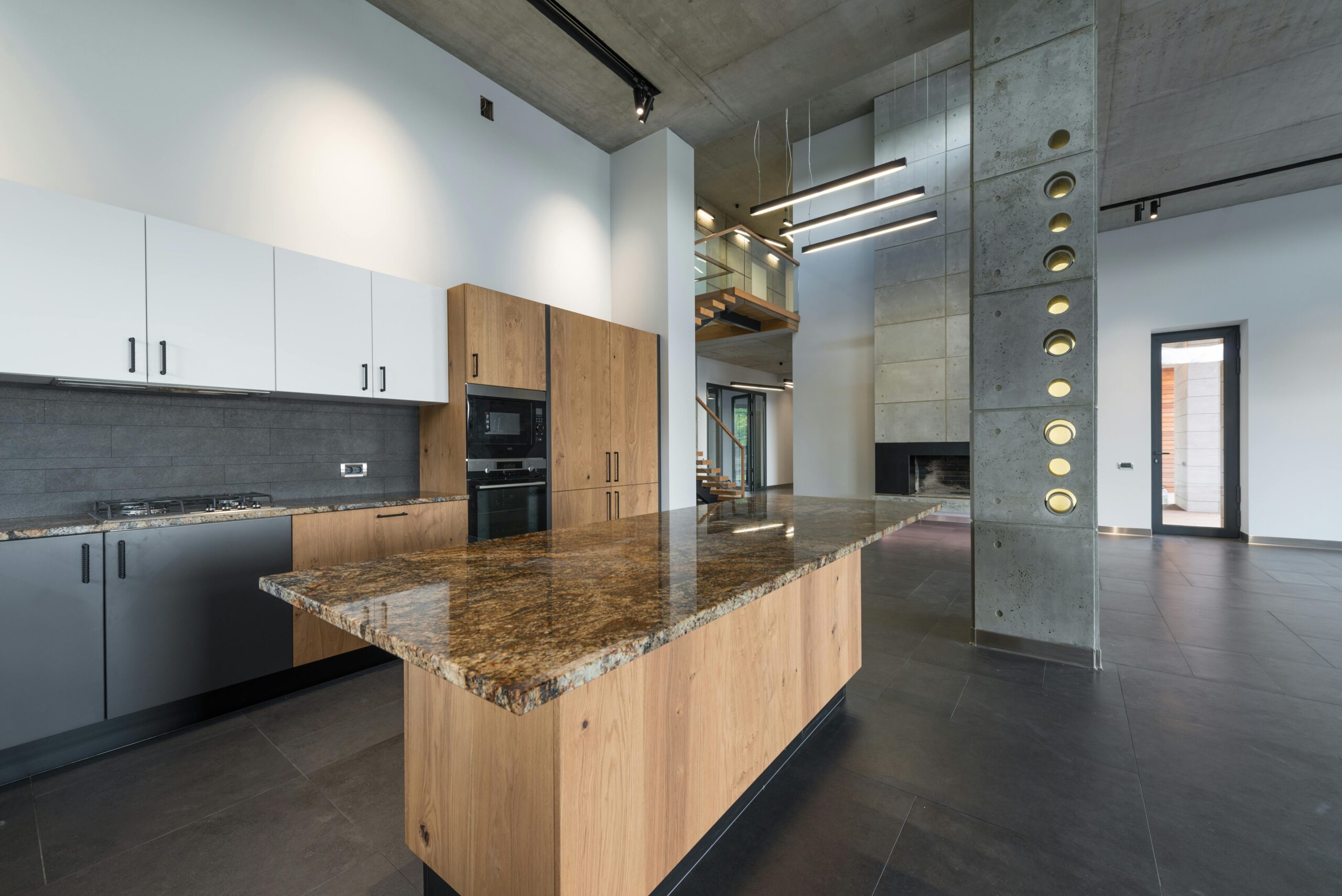
High-performance material ceilings represent far more than overhead surfaces—they’re integral architectural elements that shape experience, enhance functionality, and define spatial character. By thoughtfully selecting and implementing advanced ceiling materials, designers and building owners create environments that perform better, last longer, feel more comfortable, and inspire occupants.
The investment in high-performance ceiling materials delivers returns across multiple dimensions: reduced energy costs through lighting optimization, enhanced productivity from improved acoustics, lower maintenance expenses from durable materials, and increased property value from distinctive design. These benefits compound over years of building operation, making the initial investment in quality materials exceptionally worthwhile.
As material science advances and sustainability becomes increasingly critical, high-performance ceiling materials will continue evolving, offering even greater capabilities and design possibilities. Forward-thinking projects incorporating these advanced materials today position themselves to meet tomorrow’s performance expectations while creating spaces that truly elevate the human experience.
Whether renovating an existing structure or designing new construction, whether working on commercial, residential, or institutional projects, high-performance ceiling materials offer solutions that redefine what’s possible in modern space design. The ceiling truly has become the fifth wall—an active, multifunctional surface deserving the same design attention and material consideration as any other architectural element.