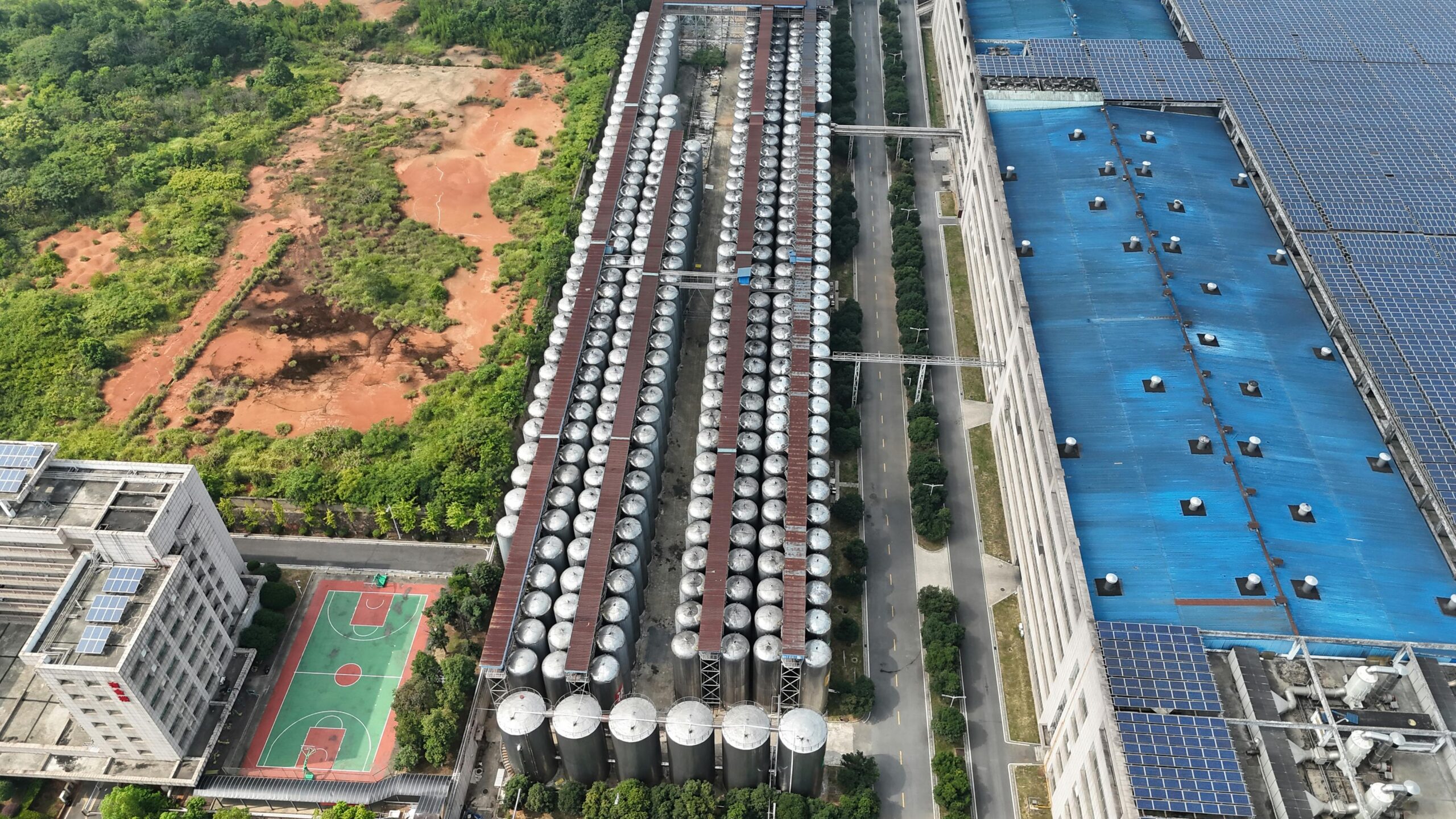
Thermal management has become a critical factor in modern electronics, industrial systems, and consumer devices, directly influencing performance, longevity, and user satisfaction.

🔥 The Growing Heat Challenge in Modern Technology
As technology advances at an unprecedented pace, devices are becoming more powerful, compact, and feature-rich. However, this evolution comes with a significant drawback: increased heat generation. From smartphones and laptops to data centers and electric vehicles, managing thermal output has emerged as one of the most pressing engineering challenges of our time.
The physics behind heat generation is straightforward. When electrical current flows through circuits, resistance creates thermal energy. As components shrink and processing power increases, the density of heat-generating elements rises dramatically. This concentration of thermal energy in smaller spaces creates hotspots that can degrade performance, reduce component lifespan, and in extreme cases, cause complete system failure.
Modern processors can generate heat densities comparable to nuclear reactors on a per-square-centimeter basis. Graphics processing units (GPUs) used in gaming, artificial intelligence, and cryptocurrency mining face even more extreme thermal loads. Without effective thermal management strategies, these components would throttle performance or shut down within seconds of operation.
Understanding the Fundamentals of Heat Transfer
Effective thermal management requires a solid understanding of how heat moves through different materials and environments. Three primary mechanisms govern heat transfer: conduction, convection, and radiation.
Conduction: The Foundation of Thermal Management
Conduction occurs when heat transfers through solid materials. Metals like copper and aluminum excel at conducting heat due to their crystalline structure and free electrons. Thermal interface materials (TIMs) bridge microscopic gaps between heat sources and heat sinks, ensuring efficient conduction pathways. The quality and application of these materials can dramatically impact overall thermal performance.
Engineers must carefully select materials based on their thermal conductivity coefficients. Diamond has the highest thermal conductivity of any bulk material, making it ideal for specialized applications despite its cost. More commonly, copper serves as the workhorse of thermal management, offering excellent conductivity at reasonable prices.
Convection: Moving Heat Away from Components
Convection transfers heat through fluid motion, whether air or liquid. Natural convection relies on density differences caused by temperature variations, while forced convection uses fans or pumps to accelerate heat removal. Most electronic cooling systems combine both approaches to maximize efficiency.
The effectiveness of convective cooling depends on several factors including surface area, fluid velocity, and temperature differential. Heat sinks increase surface area through fins and pins, allowing more contact with cooling air. Optimizing fin spacing, height, and arrangement significantly impacts thermal performance.
Radiation: The Often-Overlooked Heat Transfer Method
All objects emit thermal radiation based on their temperature and surface properties. While radiation typically plays a minor role in electronics cooling compared to conduction and convection, it becomes increasingly important at higher temperatures and in vacuum environments where convection is impossible.
Surface treatments and coatings can enhance radiative heat transfer. Black anodized finishes, for example, increase emissivity compared to bare metal, improving heat dissipation in specific applications.
⚙️ Innovative Cooling Solutions for Modern Devices
The thermal management industry has developed numerous innovative solutions to address escalating heat challenges. These technologies range from passive systems requiring no power to sophisticated active cooling mechanisms.
Air Cooling: The Traditional Workhorse
Air cooling remains the most common thermal management approach due to its simplicity, reliability, and cost-effectiveness. Traditional heat sink and fan combinations continue to evolve with improved designs, advanced materials, and optimized airflow patterns.
Modern heat sinks feature complex geometries impossible to manufacture with traditional methods. Additive manufacturing and advanced machining techniques enable designs that maximize surface area while minimizing airflow resistance. Vapor chambers have become increasingly popular, spreading heat more uniformly across heat sink bases before dissipation through fins.
Fan technology has also advanced significantly. Magnetic levitation bearings reduce noise and friction, extending operational life. Smart fan controllers adjust speeds based on temperature sensors, balancing noise levels with cooling performance. Some systems use multiple smaller fans instead of single large ones, providing redundancy and more targeted airflow.
Liquid Cooling: Superior Performance for Demanding Applications
Liquid cooling systems leverage water’s superior thermal properties compared to air. Water has roughly four times the heat capacity of air, allowing more efficient heat transfer. These systems circulate coolant through blocks mounted directly on heat-generating components, then dissipate heat through radiators.
All-in-one (AIO) liquid coolers have made this technology accessible to mainstream users. These sealed units require no maintenance and offer installation simplicity rivaling air coolers. Custom liquid cooling loops provide ultimate performance for enthusiasts willing to invest time and money in complex installations.
Data centers increasingly adopt liquid cooling to manage high-density server racks. Direct-to-chip cooling brings coolant directly to processors, bypassing inefficient air paths. Some facilities use immersion cooling, submerging entire servers in dielectric fluids that safely conduct heat while insulating electrically.
Phase Change Cooling: Harnessing Evaporation
Phase change cooling exploits the enormous energy required for liquid-to-vapor transitions. Heat pipes and vapor chambers use this principle, containing small amounts of working fluid that evaporates at hot spots, condenses at cooler areas, then returns via capillary action or gravity.
These passive devices transfer heat with remarkable efficiency, effectively creating thermal superconductors. Laptop manufacturers extensively use heat pipes to move heat from processors to peripheral areas where larger heat sinks can dissipate it. The technology scales from tiny smartphone implementations to massive industrial applications.
📱 Thermal Management in Mobile Devices
Smartphones present unique thermal management challenges. These pocket-sized computers pack tremendous processing power into slim, sealed enclosures with minimal airflow. Users expect comfortable handling temperatures while demanding maximum performance for gaming, photography, and productivity.
Mobile device thermal management relies primarily on passive techniques. Internal heat spreaders, often graphite sheets or vapor chambers, distribute heat across larger areas to prevent uncomfortable hotspots. Metal frames and backs serve dual purposes as structural elements and heat sinks, dissipating warmth through the device exterior.
Software plays an increasingly important role in mobile thermal management. Dynamic thermal management algorithms monitor component temperatures and adjust performance accordingly. Processors reduce clock speeds when temperatures climb, sacrificing performance to prevent damage and maintain user comfort. Some devices shift demanding tasks between processing cores, allowing hot components to cool while others handle the load.
Gaming smartphones push thermal management boundaries with innovative solutions. Some models incorporate active cooling fans, accepting slightly thicker designs for sustained performance. Others use liquid cooling systems adapted from larger devices, demonstrating how far mobile thermal technology has advanced.
🏭 Industrial and Automotive Thermal Challenges
Industrial equipment and automotive systems face thermal management challenges that dwarf consumer electronics. Electric vehicle batteries generate substantial heat during charging and discharge cycles. Power electronics in industrial drives handle kilowatts or megawatts, creating intense thermal loads.
Electric Vehicle Thermal Systems
Electric vehicles integrate multiple thermal management systems for batteries, motors, power electronics, and cabin climate control. Battery temperature directly affects performance, charging speed, and lifespan. Keeping cells within optimal temperature ranges requires sophisticated cooling during operation and heating in cold climates.
Most EVs use liquid cooling loops circulating through battery packs, with individual cooling plates between cell groups. Some manufacturers use refrigerant-based systems, directly cooling batteries with air conditioning technology. Thermal management systems can account for significant portions of vehicle energy consumption, directly impacting driving range.
Data Center Cooling Infrastructure
Data centers represent perhaps the most demanding thermal management environment. Thousands of servers generate megawatts of heat in concentrated spaces. Cooling infrastructure often consumes 30-40% of total facility power, making thermal efficiency crucial for operational costs and environmental impact.
Traditional raised-floor cooling systems blow cold air under server rooms, with hot air returning through ceiling plenums. Modern facilities use hot aisle/cold aisle containment, strictly separating hot and cold air streams to improve efficiency. Some advanced data centers use outside air economization when ambient temperatures permit, dramatically reducing cooling costs.
Liquid cooling adoption is accelerating in hyperscale facilities. Direct-to-chip solutions cool processors directly, while immersion cooling submerges entire server racks in specialized fluids. These approaches enable higher rack densities and improved power usage effectiveness (PUE) metrics that measure cooling efficiency.
🎯 Optimizing Thermal Design for Maximum Reliability
Effective thermal management extends beyond simply keeping components below maximum operating temperatures. Proper thermal design considers long-term reliability, performance consistency, and user experience throughout product lifecycles.
Thermal Simulation and Modeling
Modern thermal design relies heavily on computational fluid dynamics (CFD) and finite element analysis (FEA) software. These tools simulate airflow, heat transfer, and temperature distributions before physical prototypes exist, dramatically reducing development time and costs.
Engineers create detailed 3D models including every thermal-relevant component, then simulate various operating conditions. Software predicts hotspots, identifies inadequate cooling areas, and evaluates design modifications. Iterating in simulation is far faster and cheaper than building multiple physical prototypes.
Validation through testing remains essential. Thermal cameras visualize temperature distributions across surfaces, confirming simulation accuracy. Embedded temperature sensors monitor critical component temperatures during operation. Thermal testing under worst-case conditions ensures designs meet reliability requirements across their intended operating ranges.
Material Selection and Thermal Interface Optimization
Material choices profoundly impact thermal performance. Beyond obvious thermal conductivity considerations, factors like coefficient of thermal expansion, mechanical properties, cost, and manufacturability influence decisions.
Thermal interface materials bridge gaps between heat sources and heat sinks. Air is an excellent insulator, so eliminating air gaps is critical. Thermal pastes, pads, phase change materials, and liquid metal compounds each offer different trade-offs between performance, ease of application, and cost.
Proper application techniques matter enormously. Too little thermal paste leaves air gaps; too much creates unnecessarily thick barriers that impede heat transfer. Manufacturers increasingly apply thermal interface materials during assembly using automated processes that ensure consistent quality.
💡 Emerging Technologies Shaping Future Thermal Management
Research laboratories and innovative companies are developing next-generation thermal management technologies that promise to address future heat challenges as devices become ever more powerful and compact.
Advanced Materials and Nanoscale Solutions
Graphene and carbon nanotubes demonstrate extraordinary thermal conductivity, potentially revolutionizing thermal interface materials and heat spreaders. While cost and manufacturing challenges currently limit widespread adoption, continued development may make these materials commercially viable for mass-market applications.
Aerogel insulation provides extreme thermal resistance in minimal thickness, enabling new approaches to thermal isolation between components. This allows hot components to coexist with temperature-sensitive elements in compact devices.
Thermoelectric Cooling
Thermoelectric coolers use the Peltier effect to pump heat electrically, without moving parts or fluids. While current efficiency limits mainstream adoption, advances in thermoelectric materials could enable solid-state cooling for specialized applications. The technology’s compact form factor and precise temperature control make it attractive despite efficiency challenges.
Intelligent Thermal Management Systems
Artificial intelligence and machine learning are enhancing thermal management strategies. Predictive algorithms anticipate thermal loads based on usage patterns, preemptively adjusting cooling systems. Smart buildings optimize HVAC systems by learning occupancy patterns and weather correlations, reducing energy consumption while maintaining comfort.
Edge computing devices use thermal-aware task scheduling, distributing computational loads to manage temperatures proactively. These systems balance performance, power consumption, and thermal constraints in real-time, adapting to changing conditions more effectively than static thermal management approaches.
🔧 Practical Thermal Management Best Practices
Whether designing complex systems or simply maintaining existing equipment, following thermal management best practices ensures optimal performance and longevity.
Regular maintenance prevents thermal issues before they cause failures. Dust accumulation blocks airflow and insulates components, dramatically reducing cooling effectiveness. Periodic cleaning of heat sinks, fans, and air intakes maintains thermal performance. Replacing degraded thermal paste on processors every few years restores optimal thermal conductivity.
Proper ventilation remains fundamental. Equipment rooms require adequate airflow with intake and exhaust paths. Consumer devices need clearance around vents; blocking airflow causes overheating regardless of internal cooling system quality. Cable management in PCs and servers improves airflow by removing obstructions.
Monitoring temperatures provides early warning of thermal problems. Most devices include temperature sensors accessible through software utilities. Trending temperatures over time reveals degrading thermal performance before critical failures occur. Unusual temperature increases warrant investigation of dust buildup, fan failures, or thermal interface degradation.
🌟 The Business Impact of Effective Thermal Management
Thermal management directly impacts business success across industries. Product reliability strongly correlates with operating temperatures; electronic component failure rates roughly double for every 10°C increase. Effective cooling extends product lifespans, reducing warranty costs and improving customer satisfaction.
Energy efficiency considerations make thermal management increasingly important. Cooling systems consume significant power in data centers, buildings, and vehicles. Improving thermal efficiency directly reduces operating costs and environmental impact. As energy costs rise and carbon emissions face stricter regulations, thermal management becomes a competitive advantage.
Performance represents another crucial business factor. Thermal throttling reduces device capabilities, disappointing users and limiting applications. Premium products differentiate themselves partly through superior thermal management enabling sustained peak performance. Gaming laptops, professional workstations, and high-end smartphones invest heavily in cooling solutions that justify premium pricing.

🚀 Mastering the Heat: A Continuous Journey
Thermal management excellence requires ongoing attention as technologies evolve and performance demands increase. The fundamentals of heat transfer remain constant, but innovative solutions and materials continually expand what’s possible. Engineers must balance multiple constraints including performance, cost, size, noise, and reliability.
Success in thermal management demands interdisciplinary knowledge spanning thermodynamics, fluid mechanics, materials science, and electrical engineering. Collaboration between thermal specialists and product designers from project inception ensures thermal considerations influence early design decisions rather than becoming afterthoughts requiring expensive redesigns.
As devices continue pushing performance boundaries while shrinking in size, thermal challenges will only intensify. Organizations that invest in thermal management expertise, simulation tools, and testing capabilities position themselves for success. Whether developing consumer electronics, industrial equipment, or infrastructure systems, mastering thermal management separates market leaders from followers.
The path to thermal mastery involves continuous learning, experimentation, and adaptation. Staying current with emerging materials, techniques, and technologies enables engineers to tackle increasingly demanding thermal challenges. By treating thermal management as a core competency rather than a secondary consideration, organizations deliver products that perform reliably, last longer, and satisfy customers more effectively than thermally compromised competitors.